Plants in Hydroponics and Aquaponics
Not every plant suits every system. Root space, crop duration, nutrient demand, temperature, light, the harvested organ and the desired yield determine whether a crop can be grown effectively in hydroponics, aquaponics or a separate hybrid loop.
Plants connect biology and technology
Hydroponic plants receive water and mineral nutrients directly from a controlled solution, allowing the system to be tailored very precisely to the crop. In aquaponics, essential nutrients originate from feed, fish and microbial conversion. Plant demand, fish stocking, feeding and biofilter performance must remain balanced as a whole.
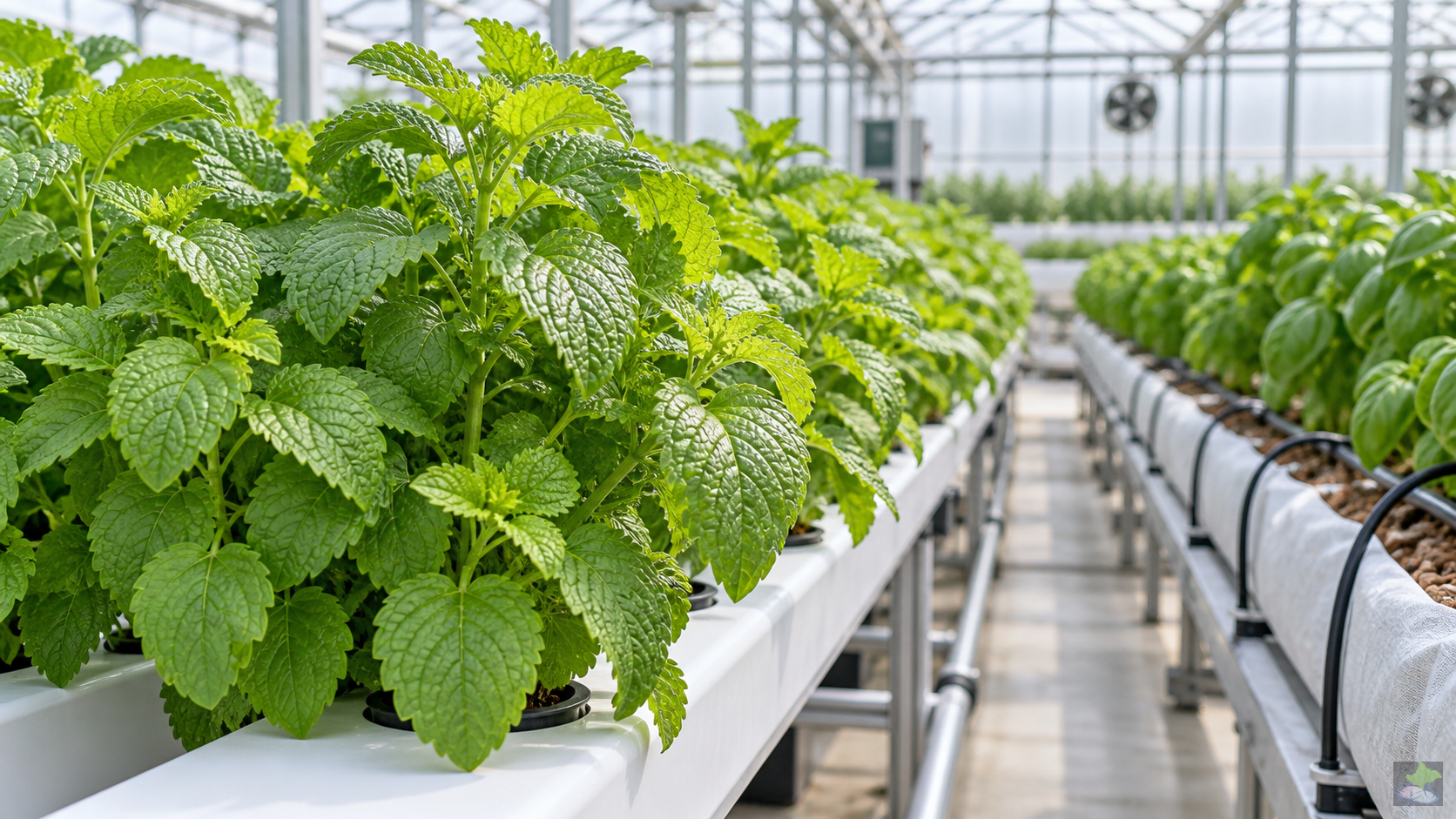
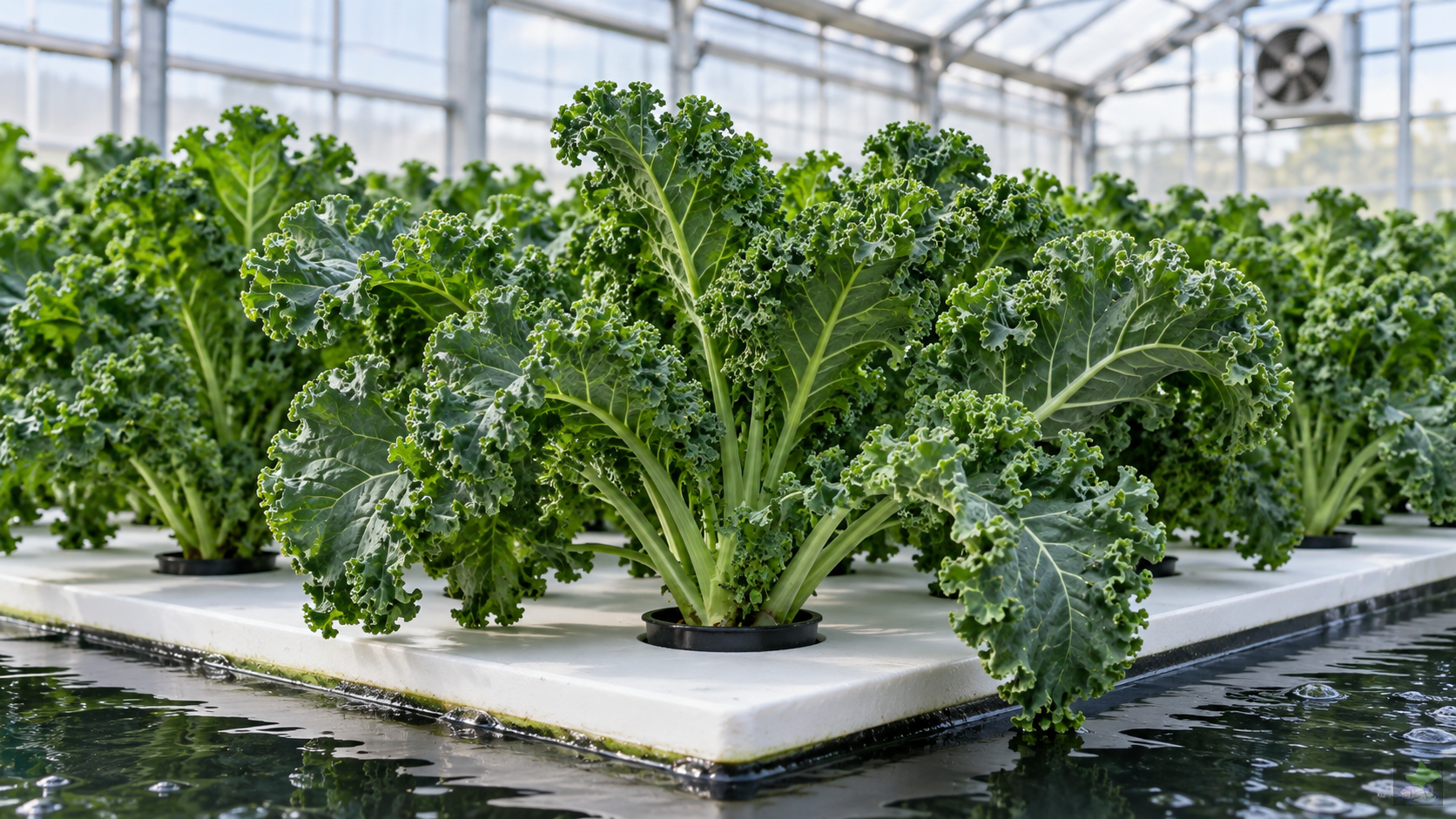
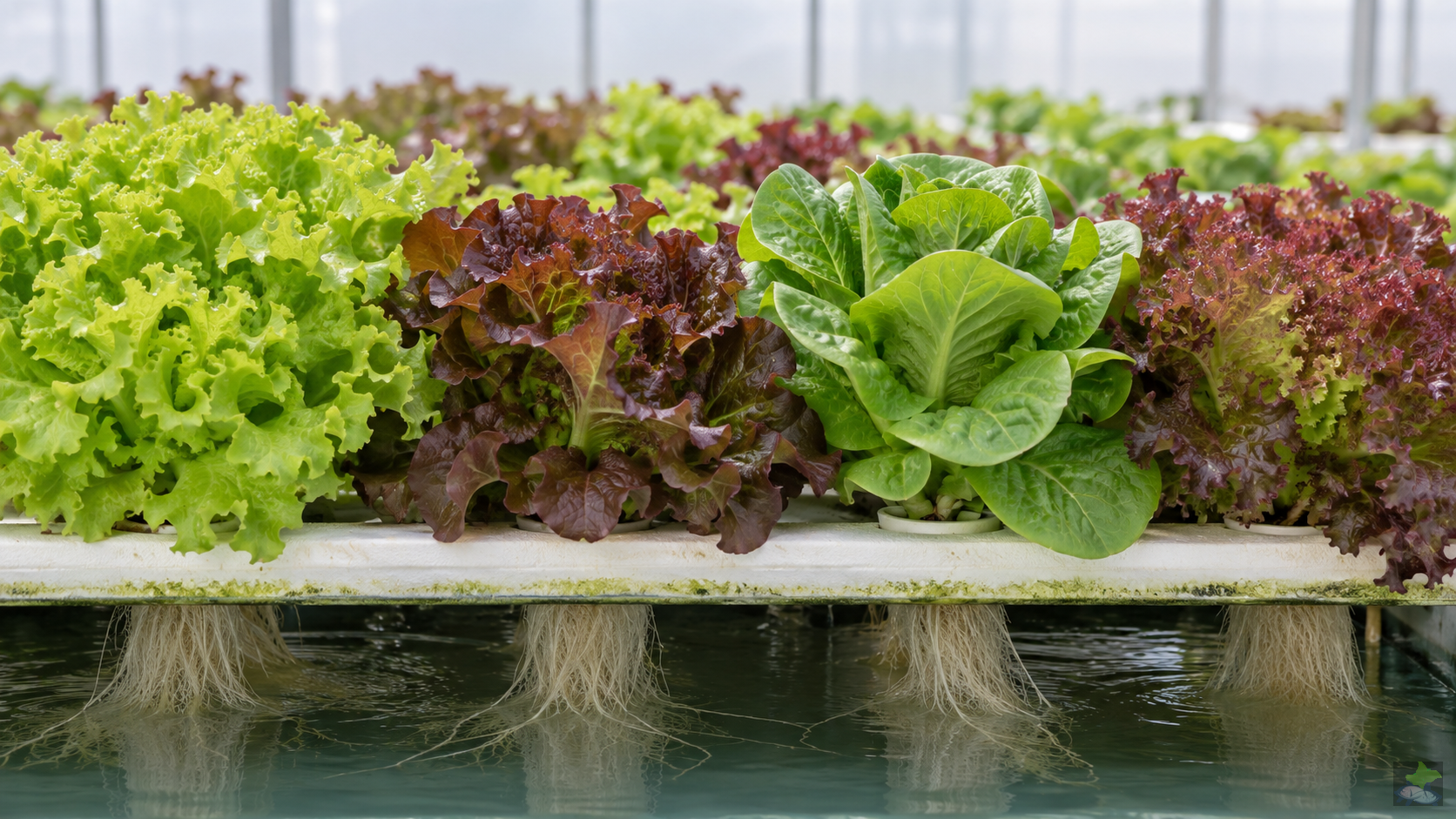
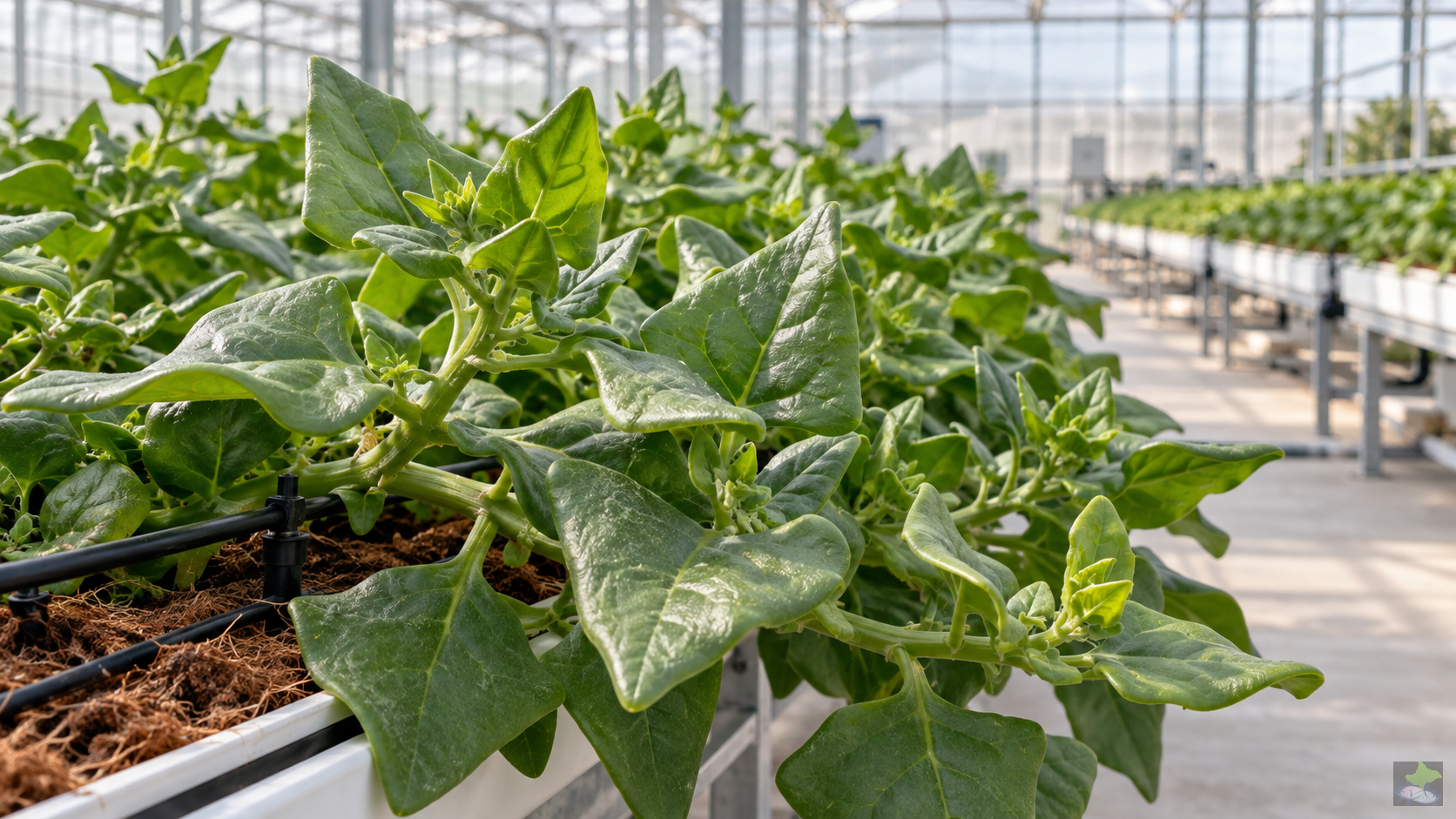
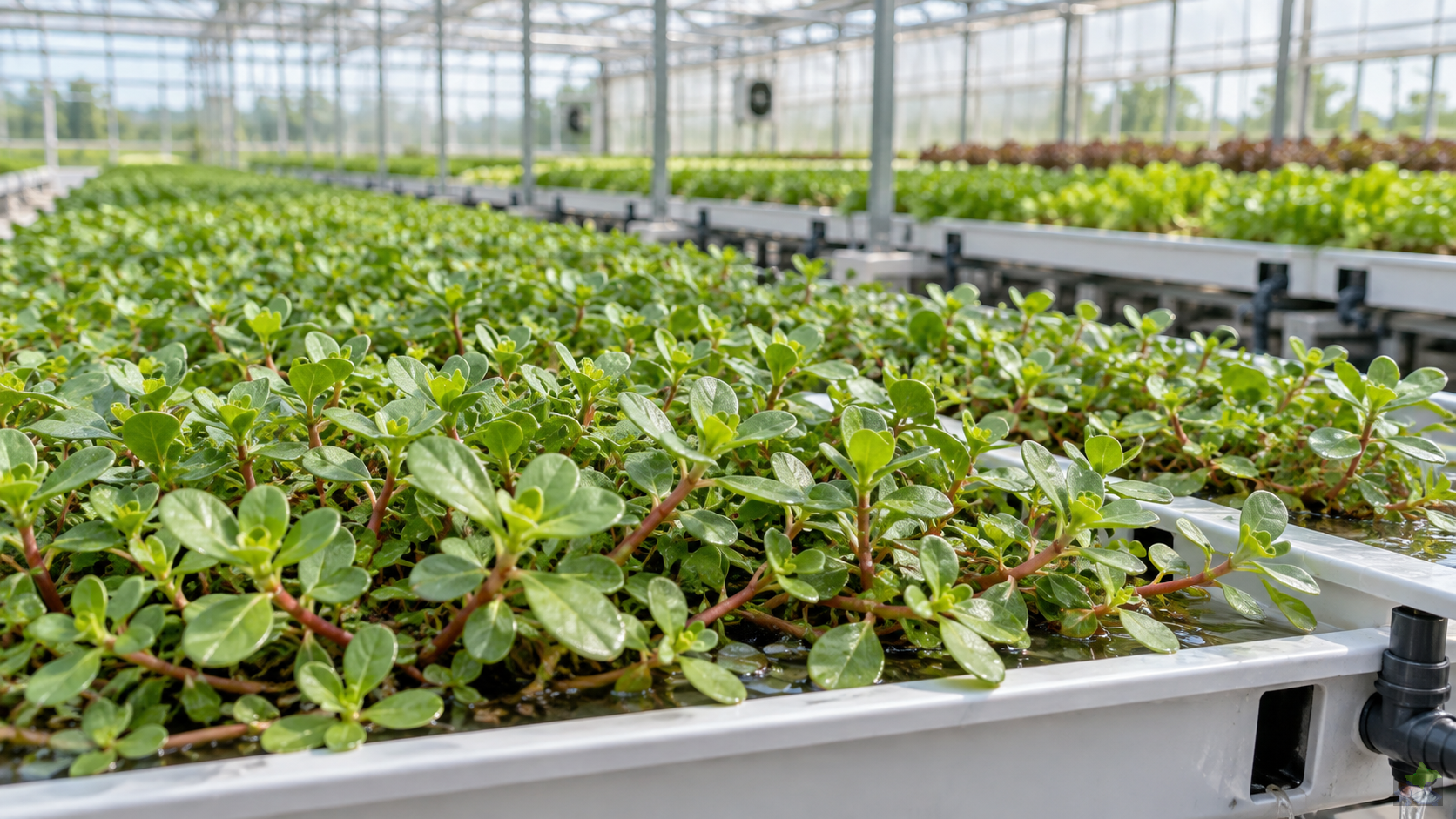
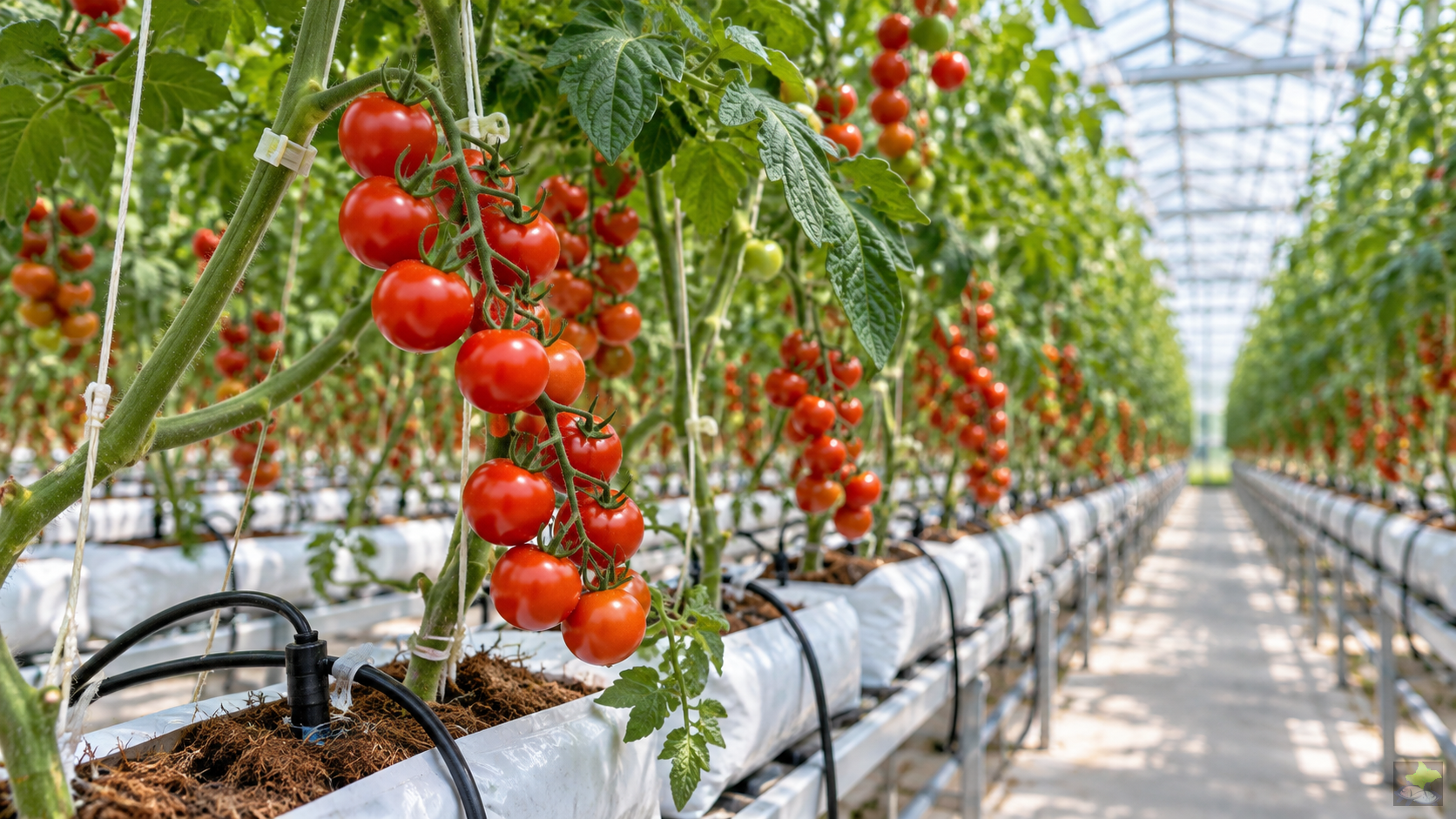
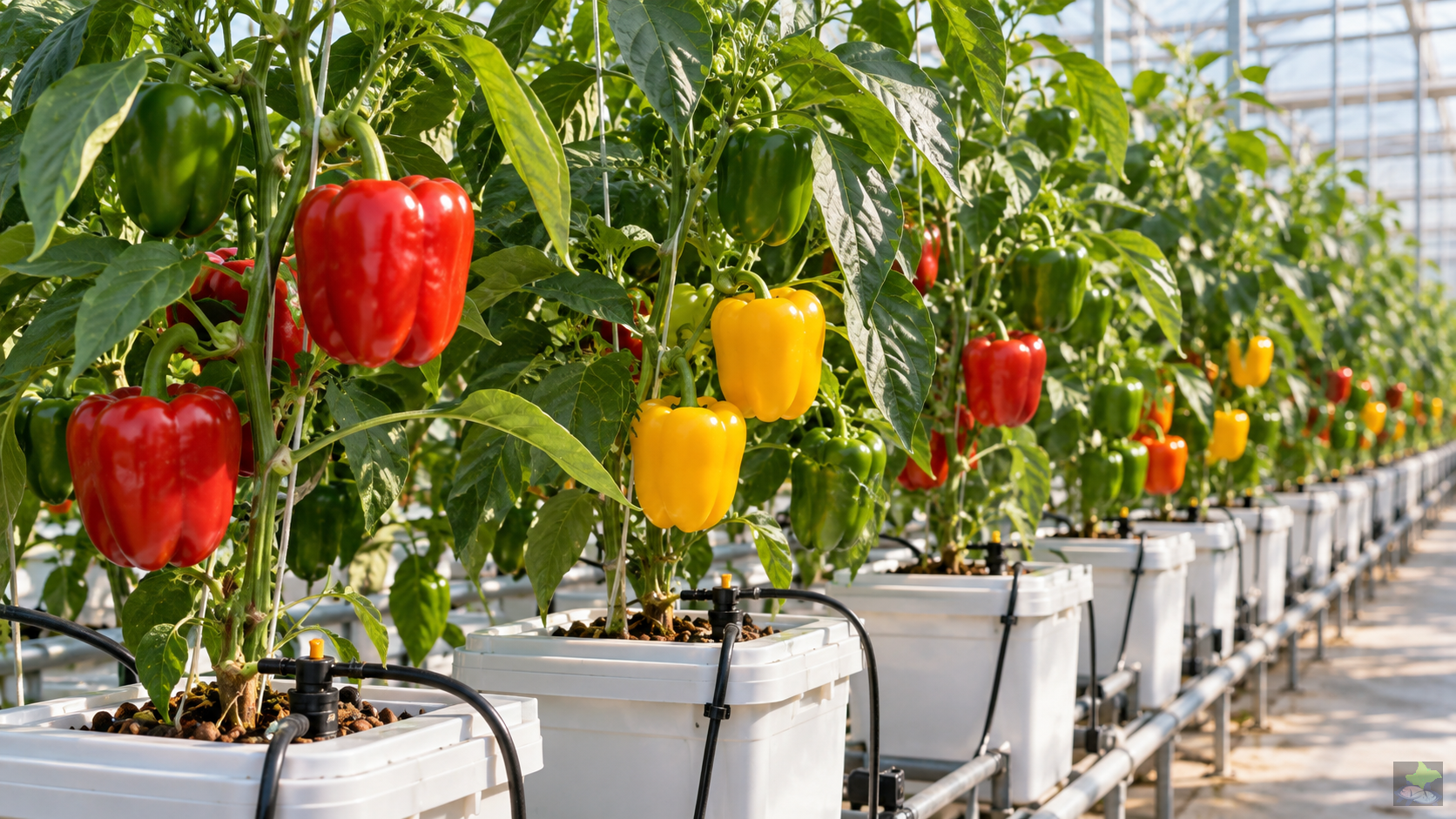
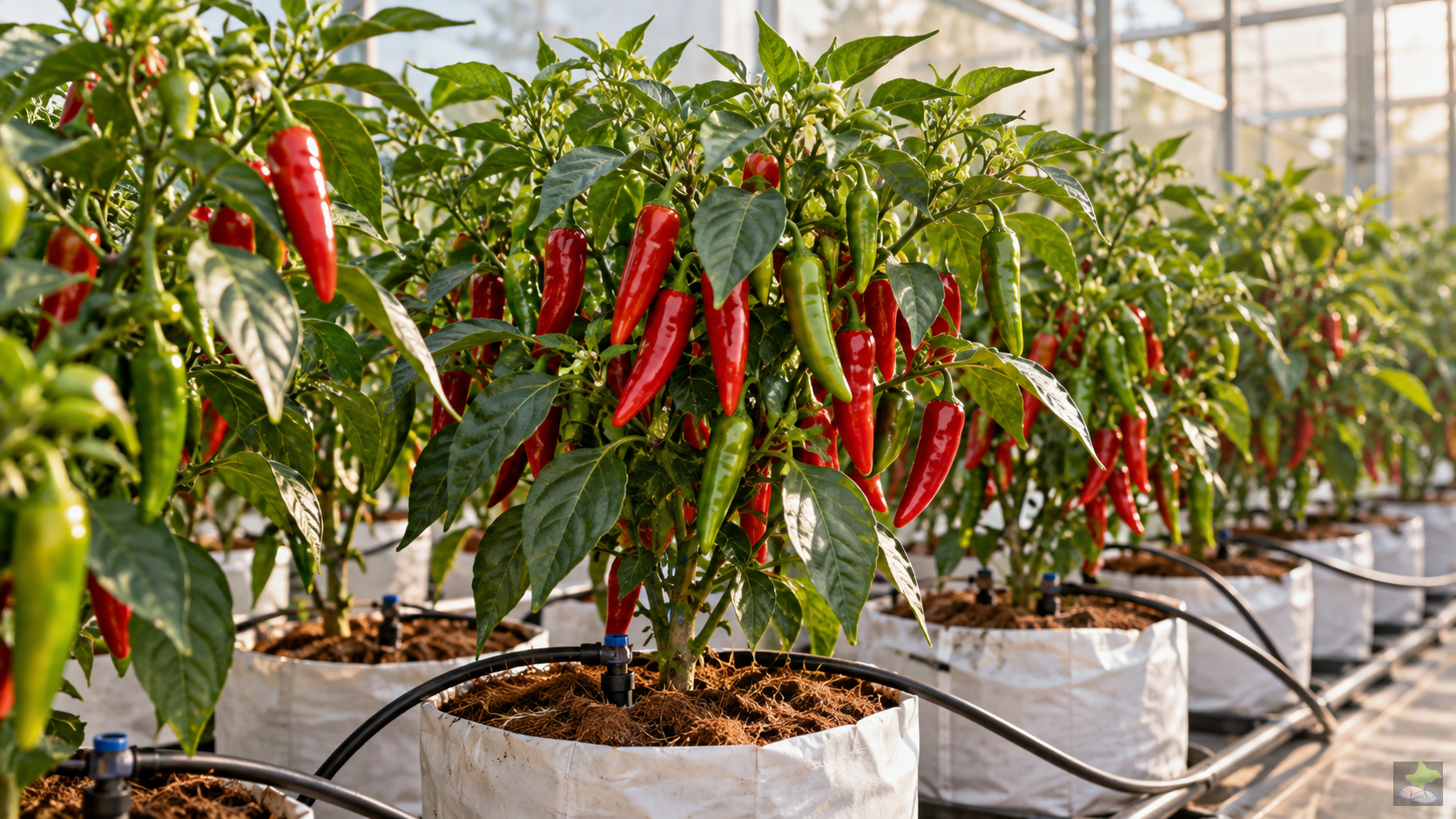
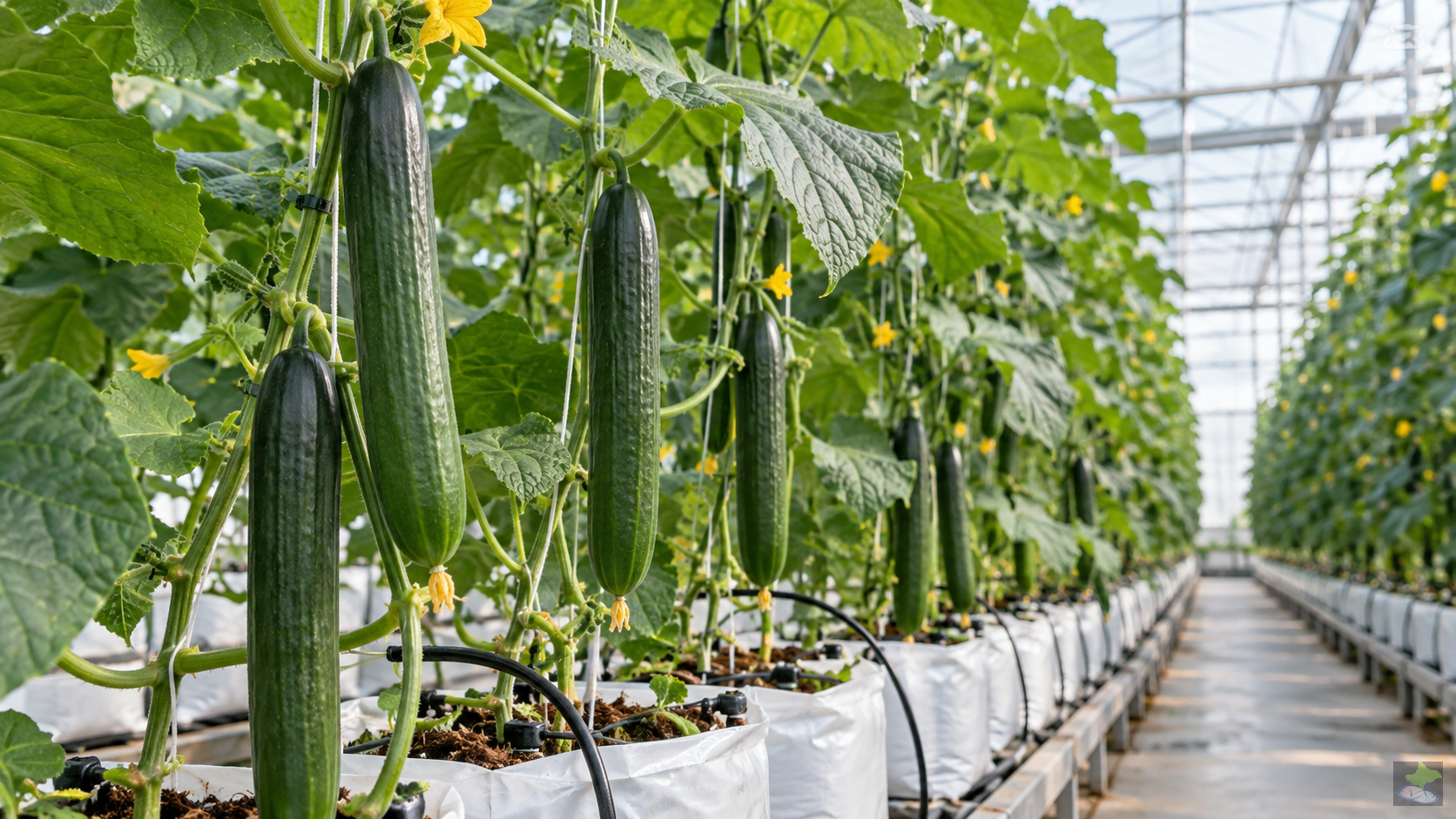
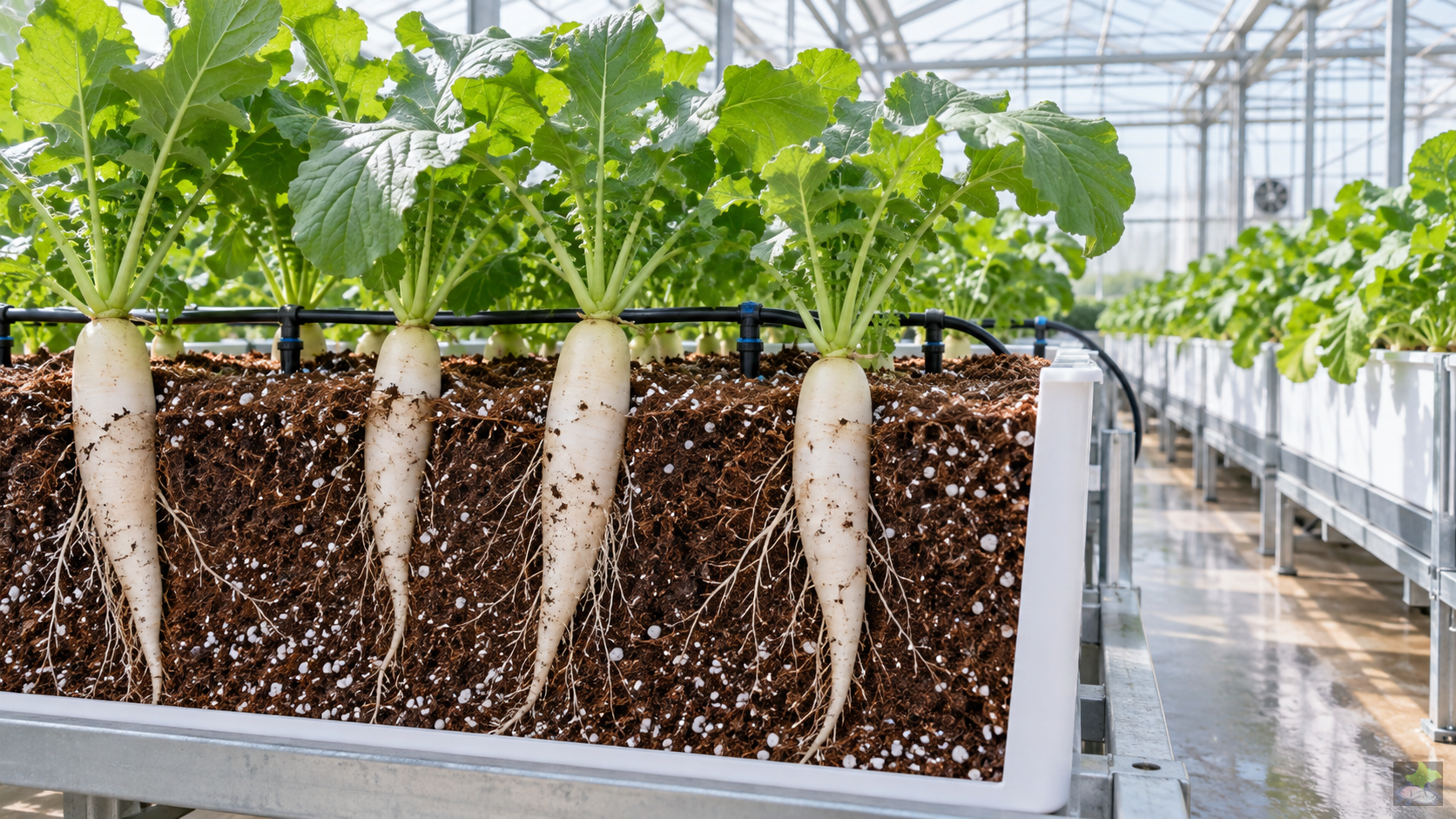
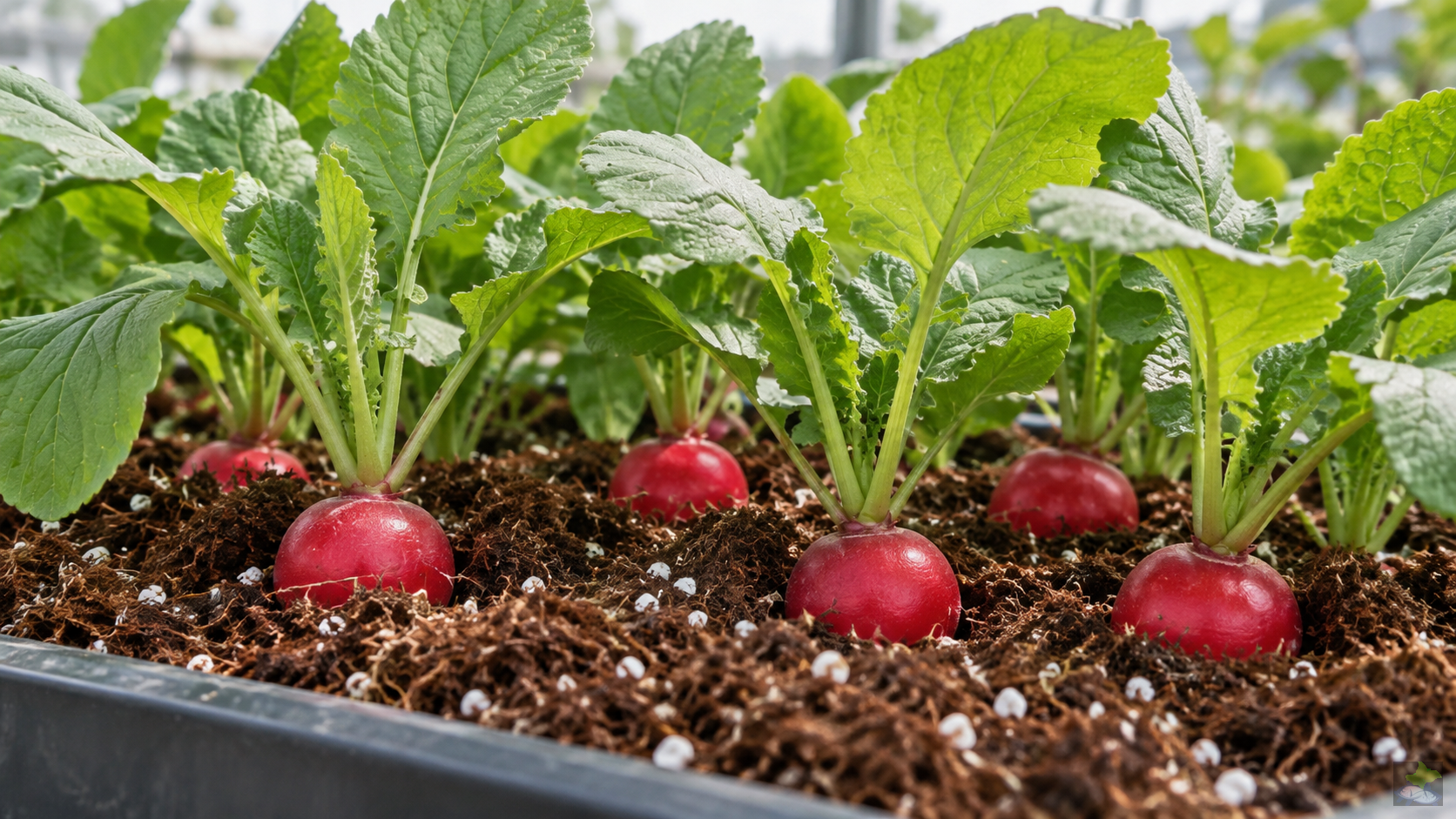
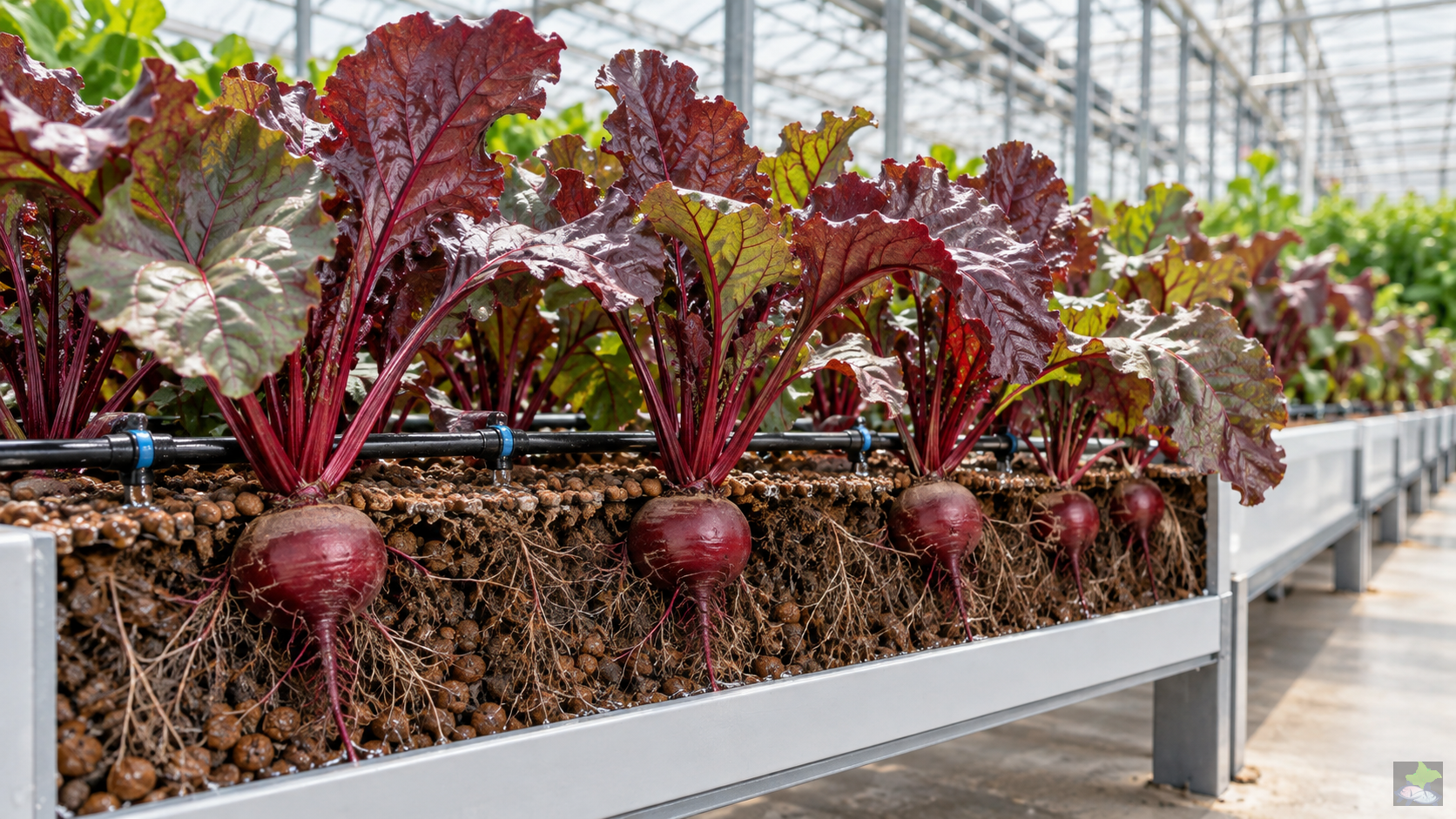
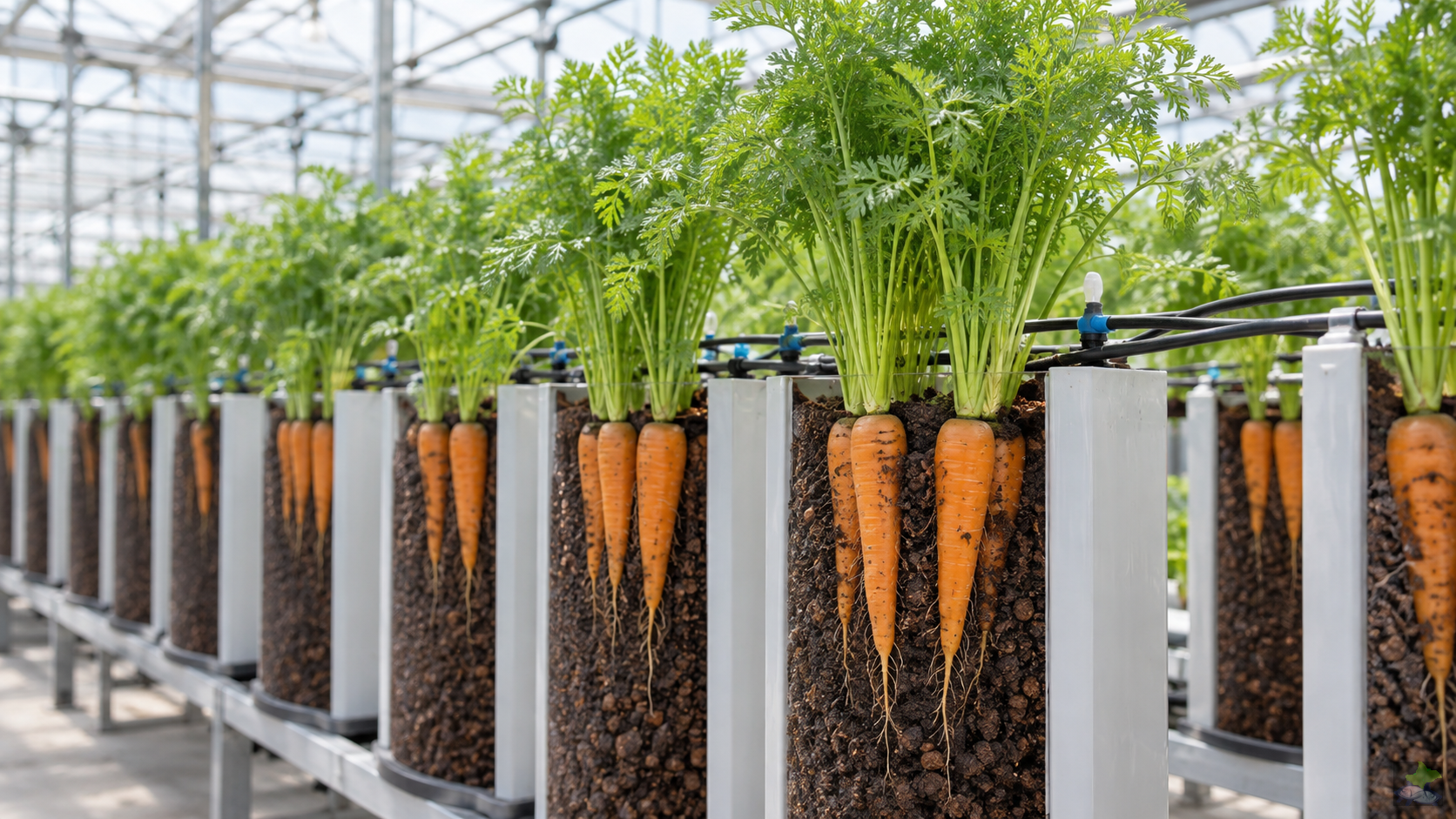
Leafy vegetables and many herbs have short growing cycles and relatively modest requirements. Tomatoes, cucumbers and peppers remain in the system for months and require more light, support and nutrient capacity. Root and tuber crops also need a dark, well-aerated space in which their storage organs can develop. The right technology therefore follows the harvest objective, not merely the plant species.
Hydroponics, aquaponics and hybrid solutions
| Criterion | Hydroponics | Aquaponics | Partially coupled solution |
|---|---|---|---|
| Nutrient source | purpose-formulated nutrient solution | feed, fish metabolism and mineralisation | aquaponic water as the basis, supplemented under controlled conditions on the plant side |
| Controllability | highly adaptable to the crop | always linked to fish health and the biofilter | plants and fish can be adjusted separately |
| Suitable starting point | lettuce, basil, pak choi | hardy leafy vegetables and herbs in a stable system | more demanding or nutrient-intensive crops |
| Main risk | dosing, pump and hygiene problems | a disruption affects animals, microorganisms and plants | more equipment, monitoring and documentation |
From harvest objective to suitable crop
Protein-rich crops & staple foods
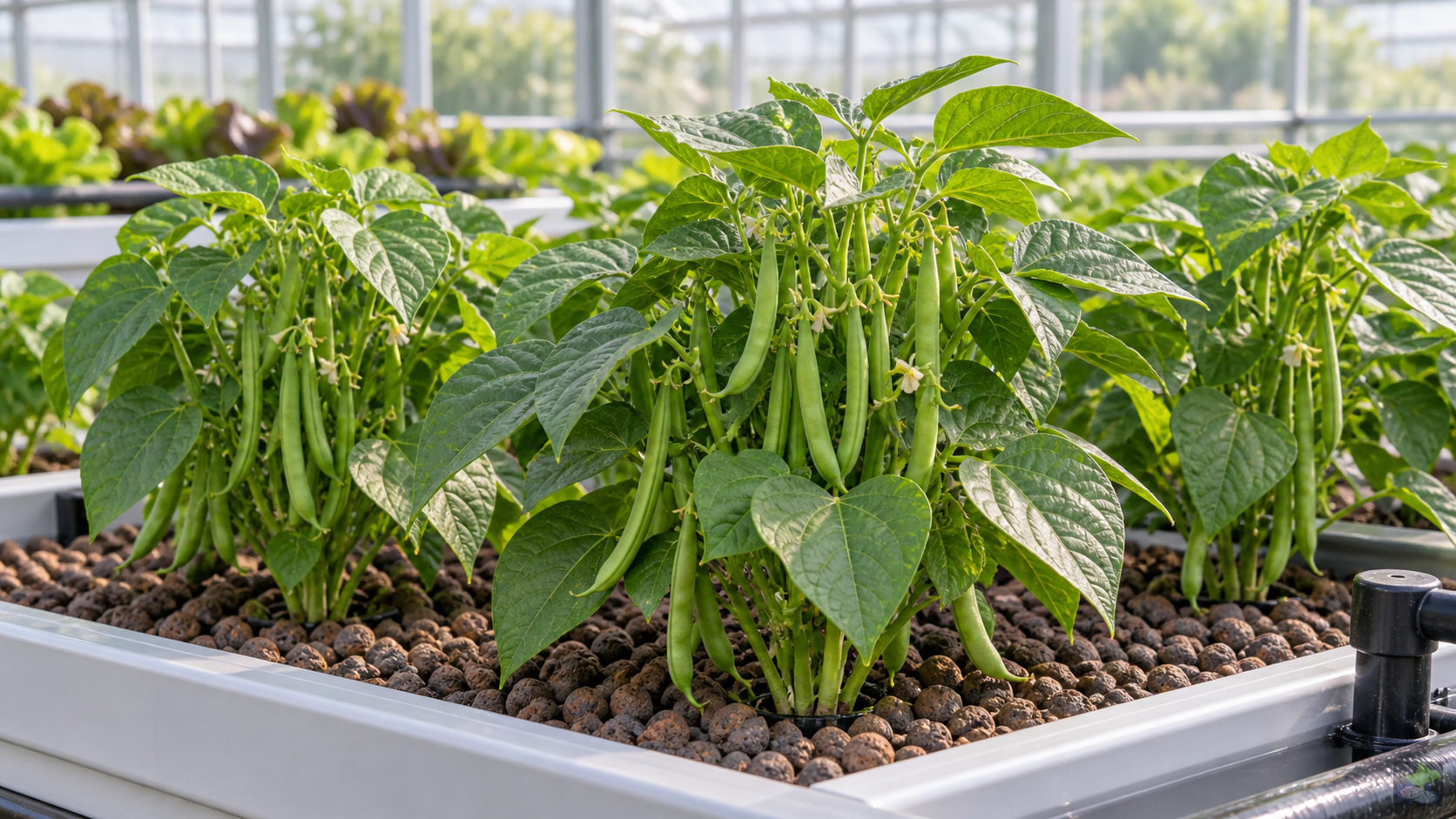
Assess pods, seeds and tubers by protein, energy, area and storage yield.
Choose plants →Leafy vegetables
Short, staggered crops for regular fresh harvests and efficient use of space.
Choose plants →Fruiting vegetables
Balance light, flowering, pollination, training and fruit load throughout long growing cycles.
Choose plants →Root & tuber vegetables
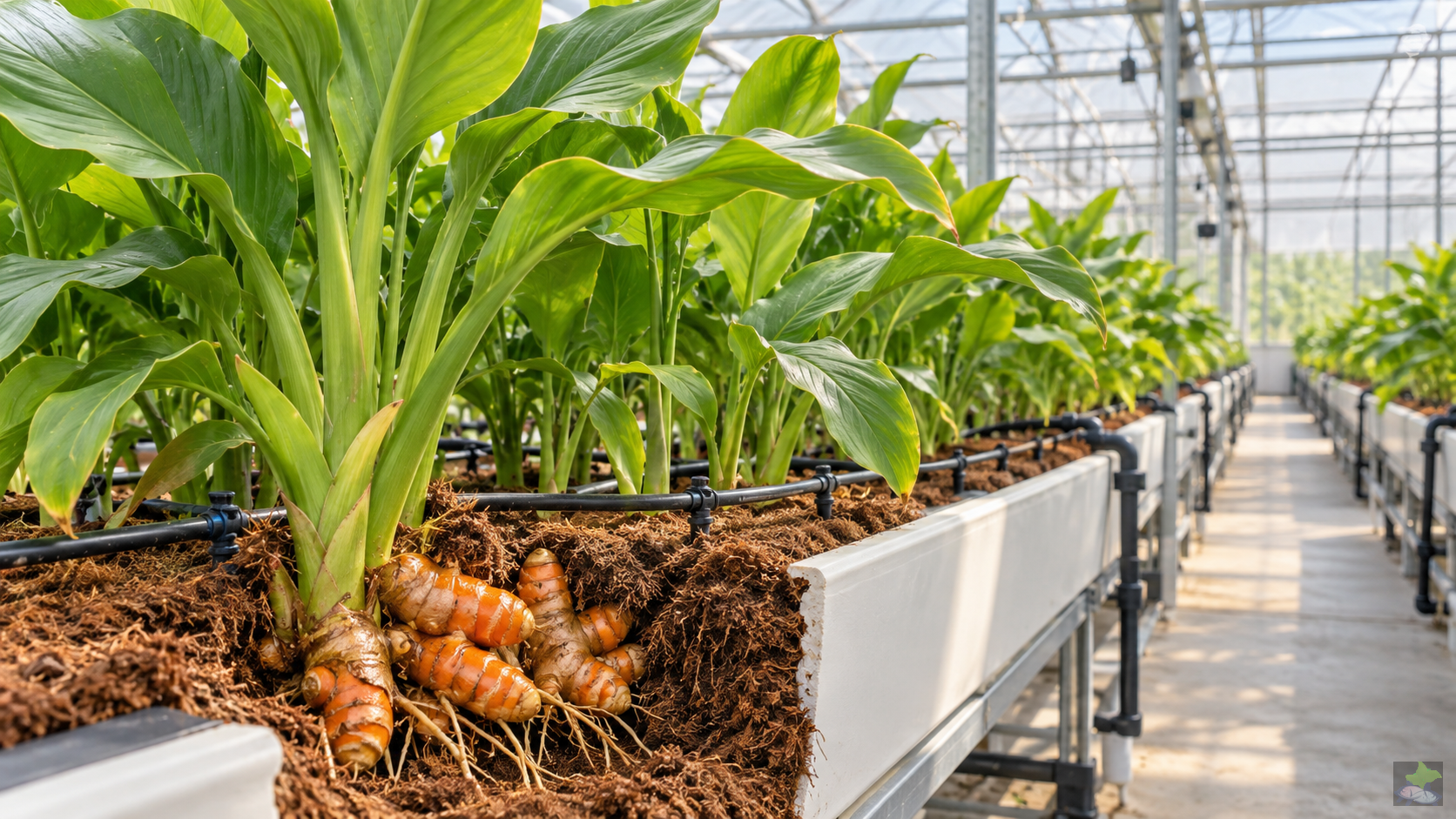
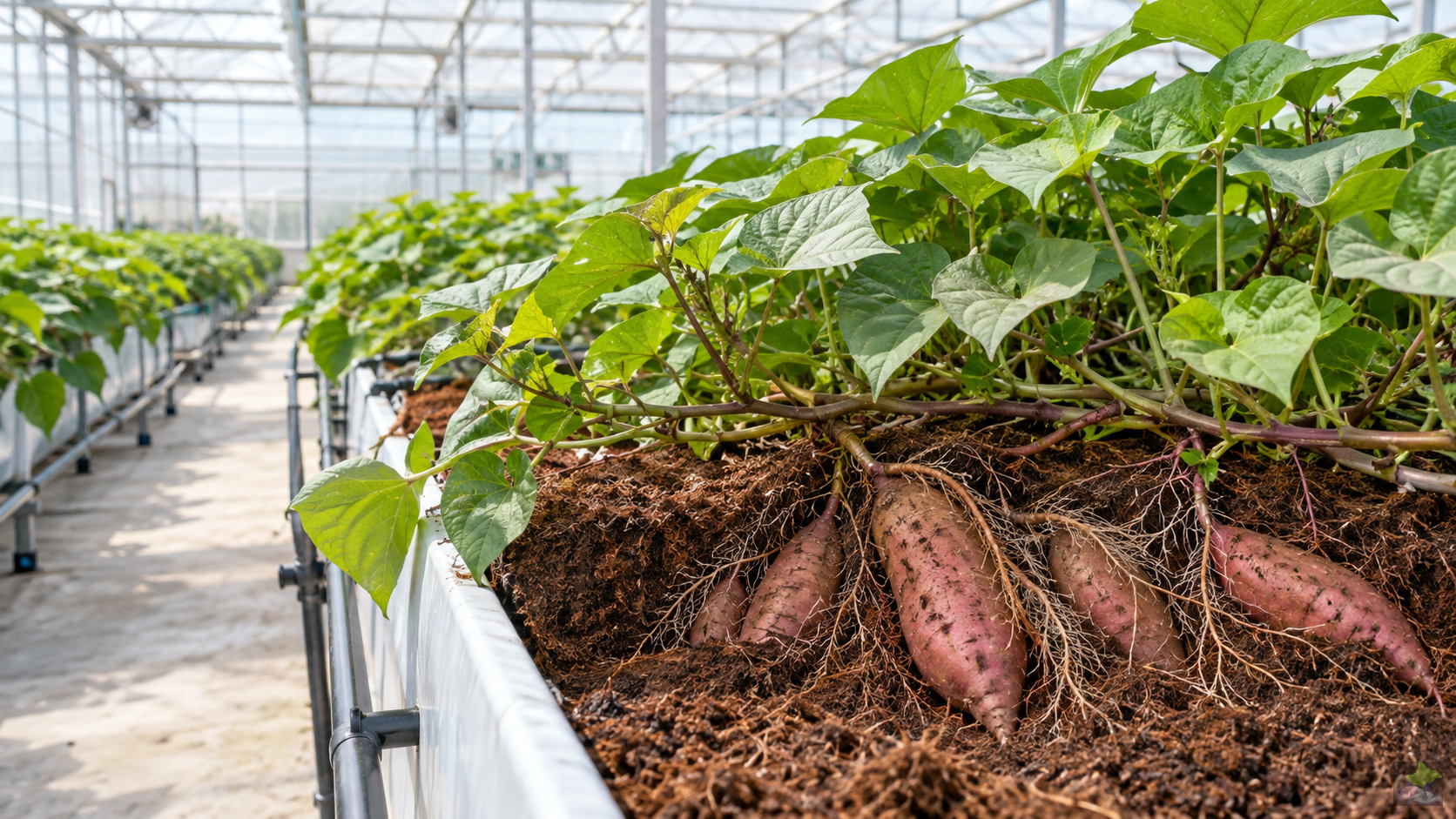
Adapt substrate depth, darkness, moisture and aeration to the storage organ.
Choose plants →Herbs
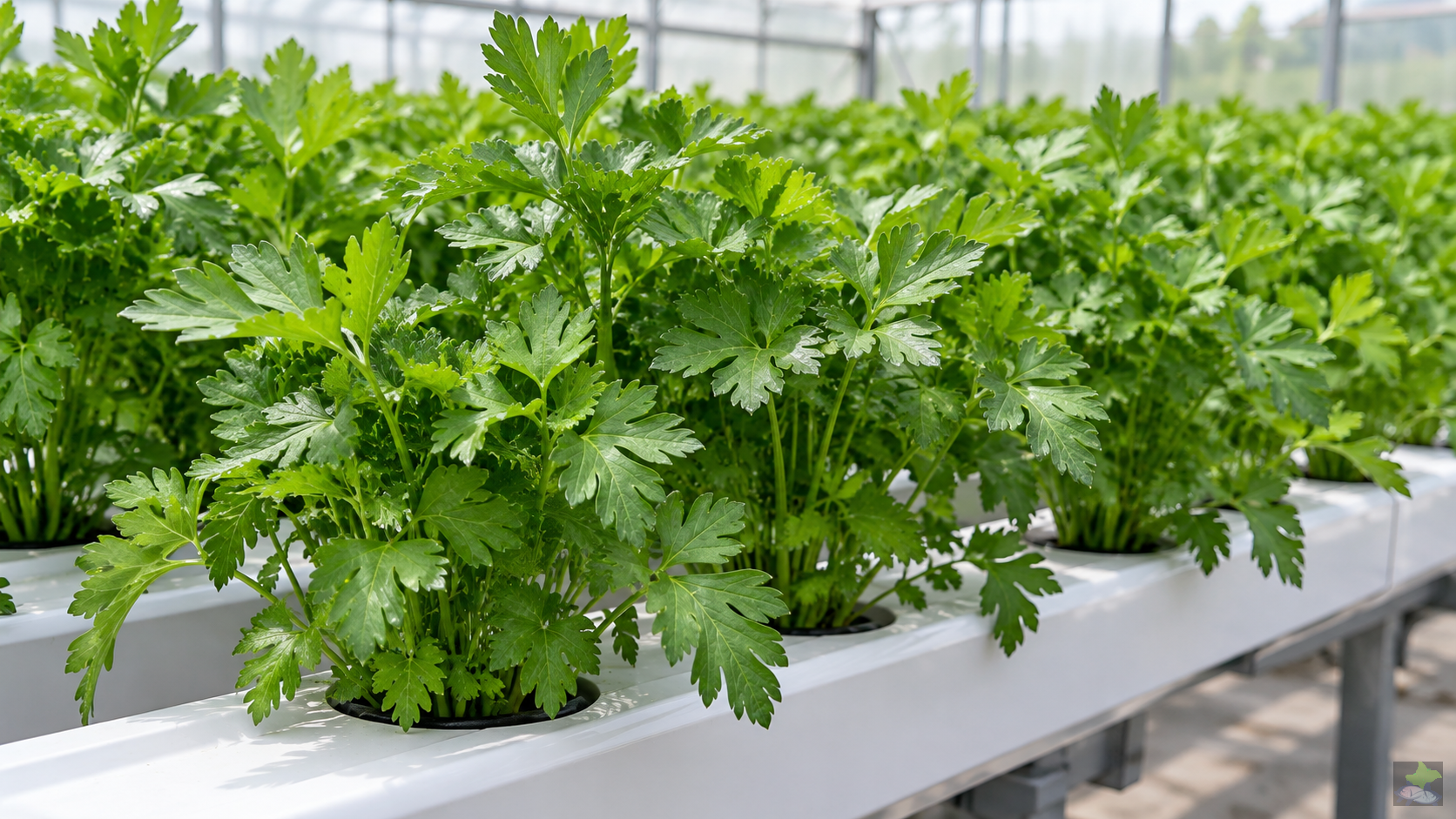
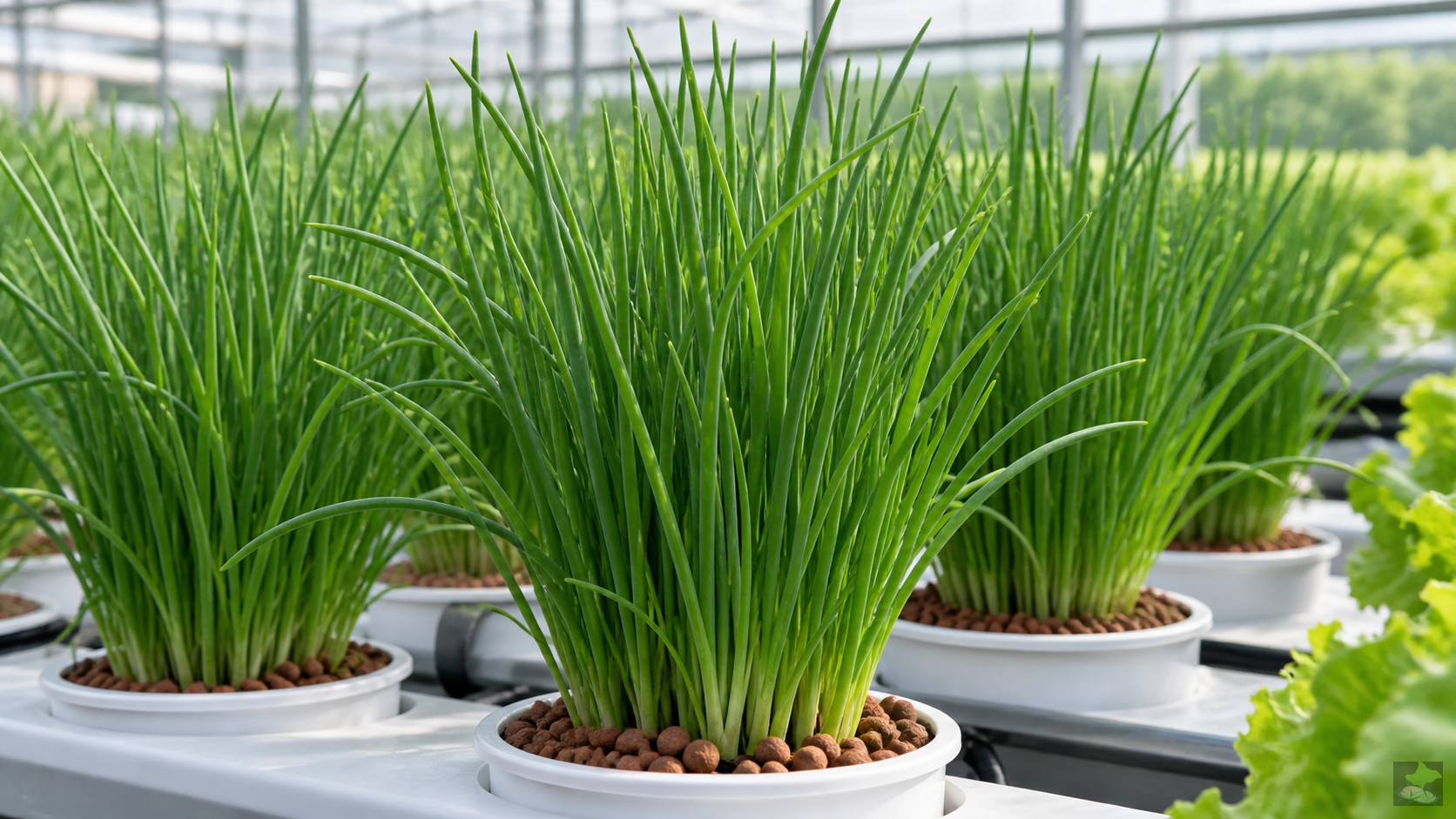
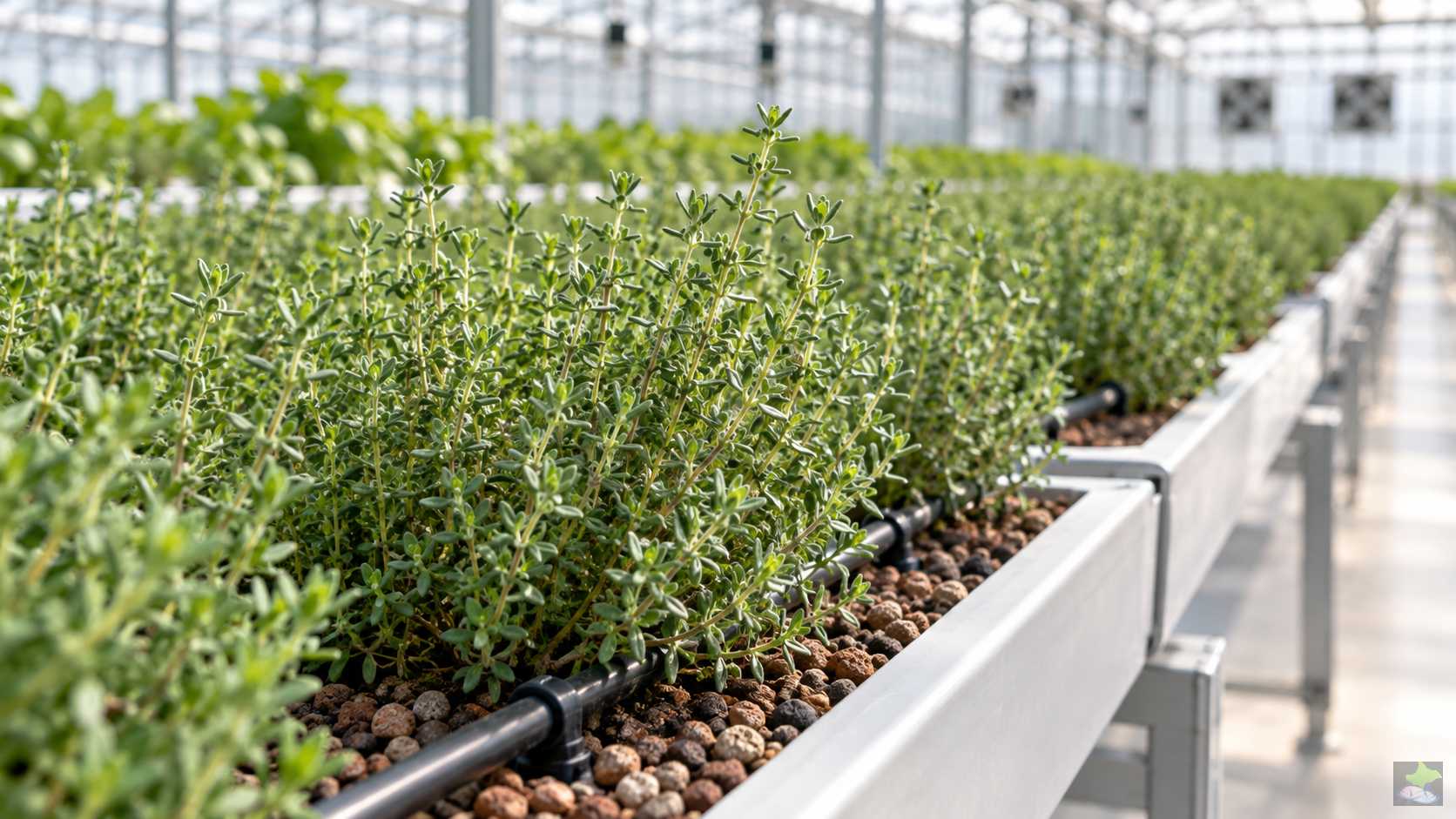
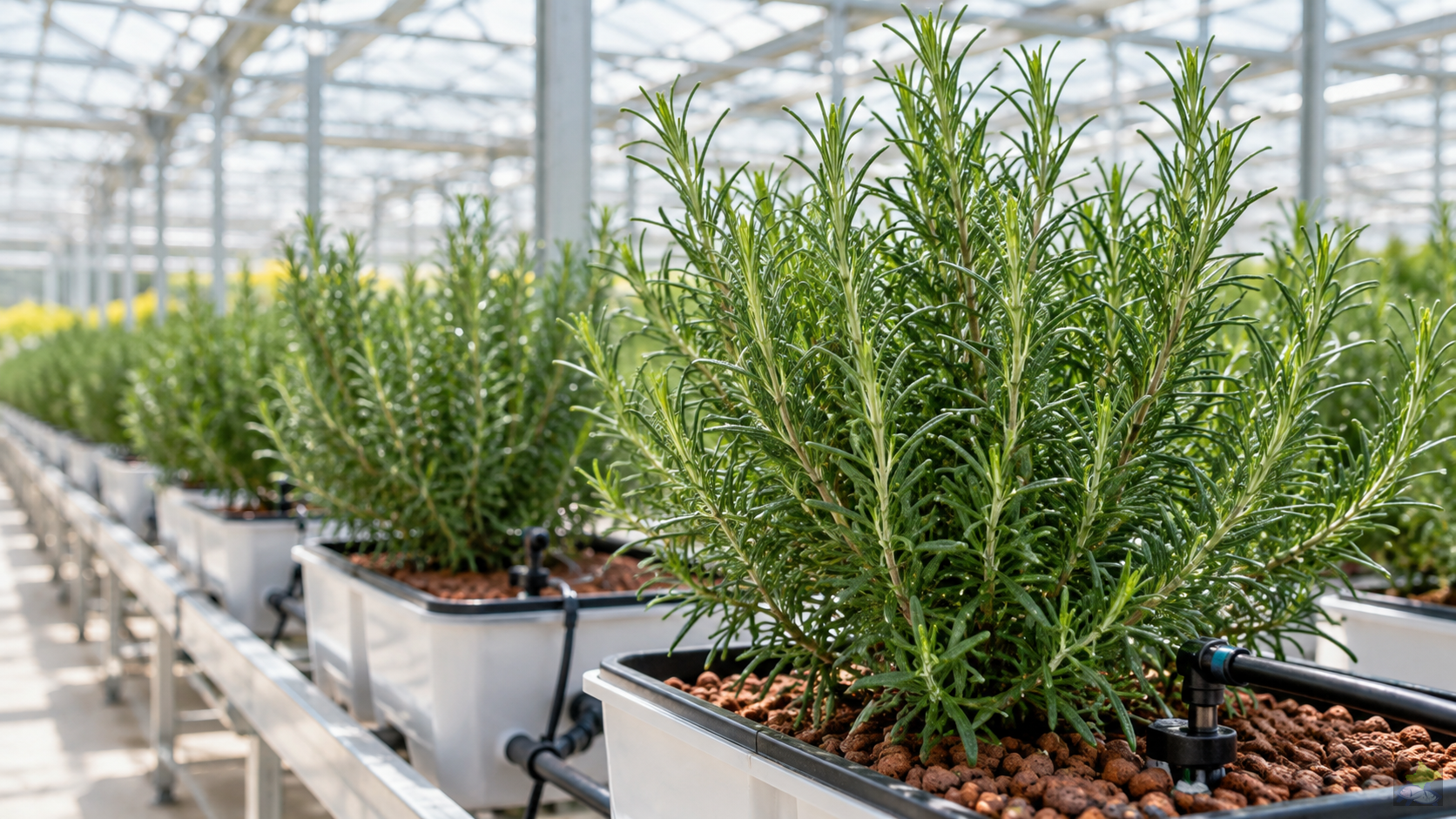
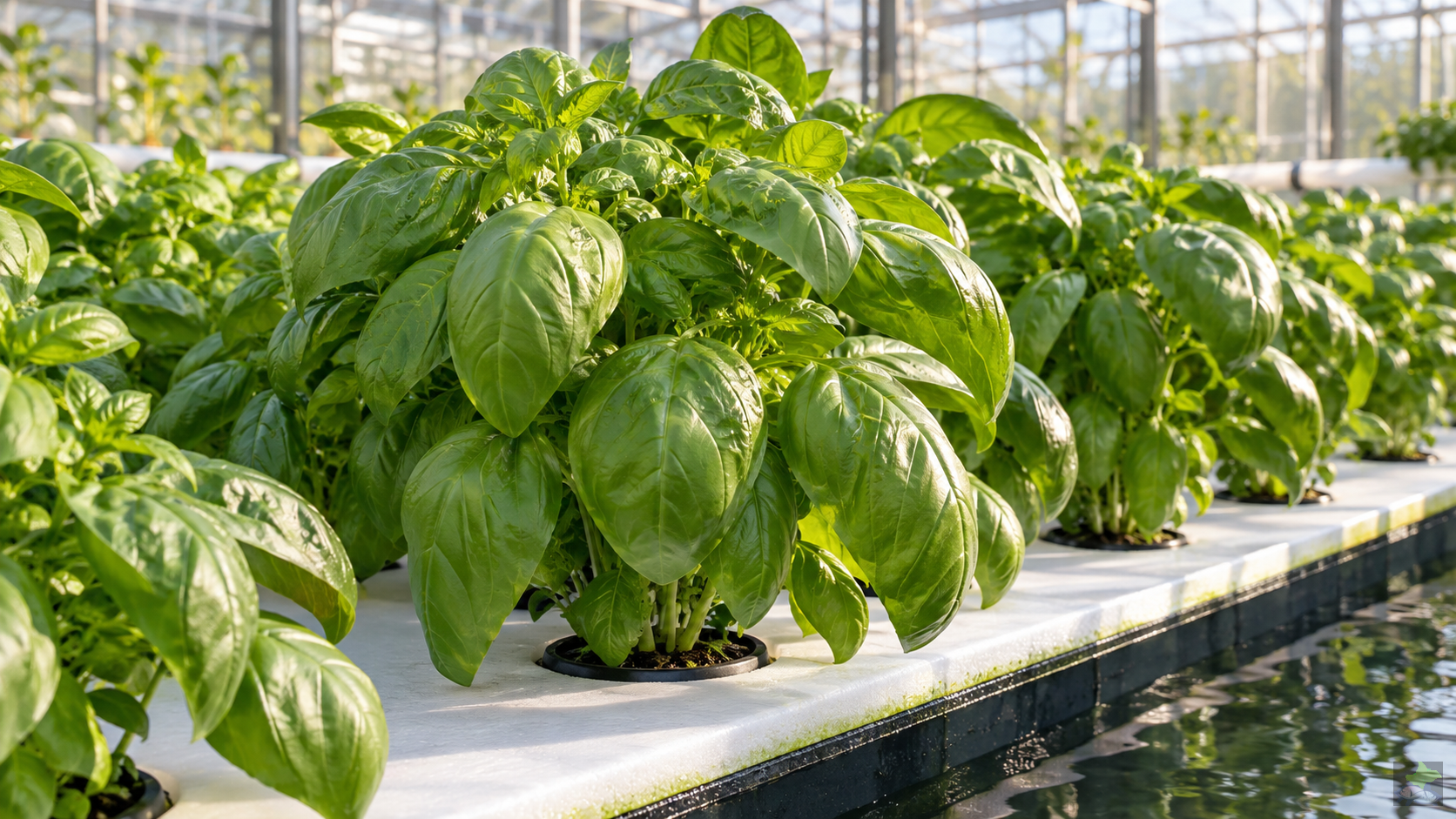
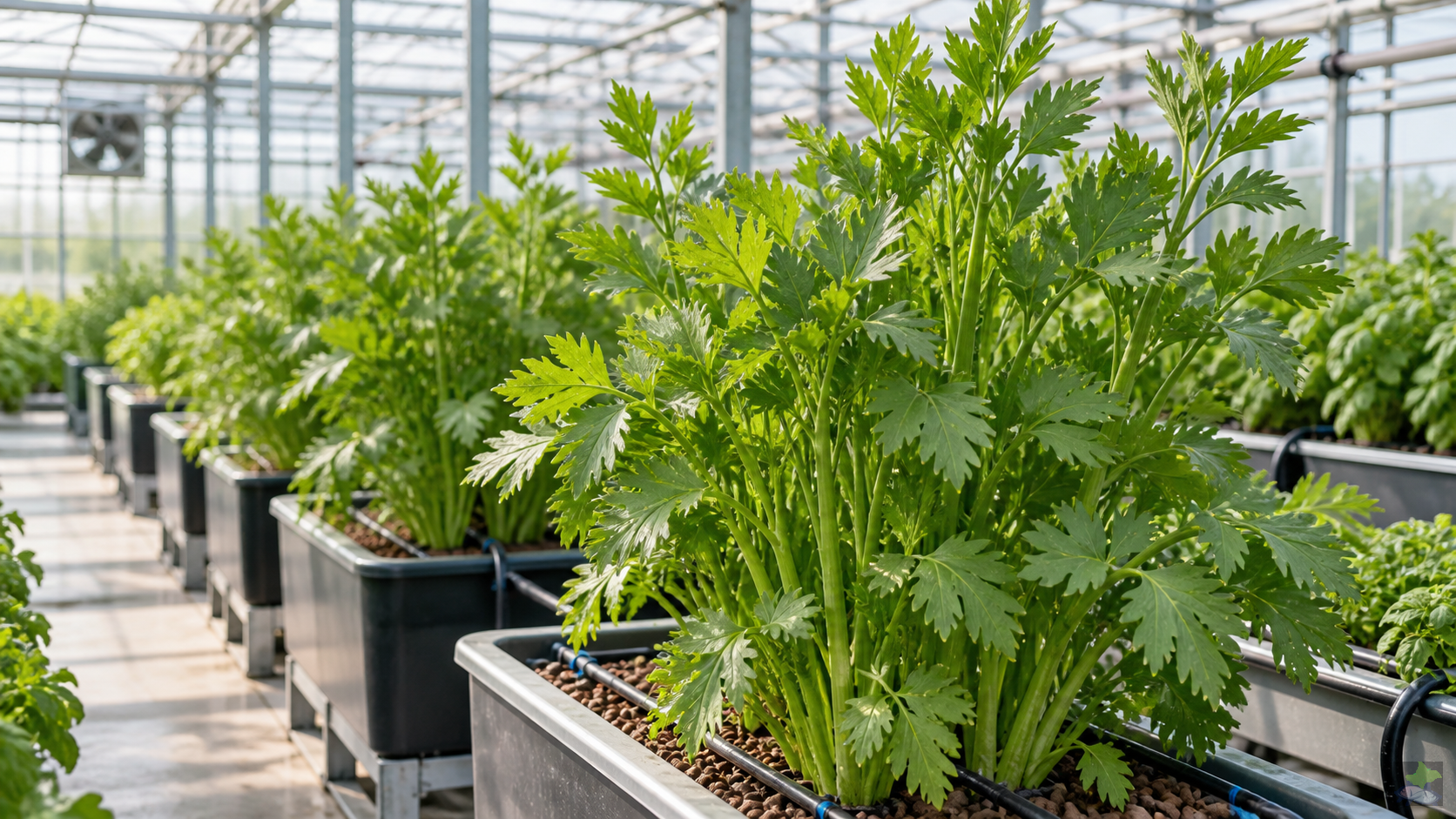
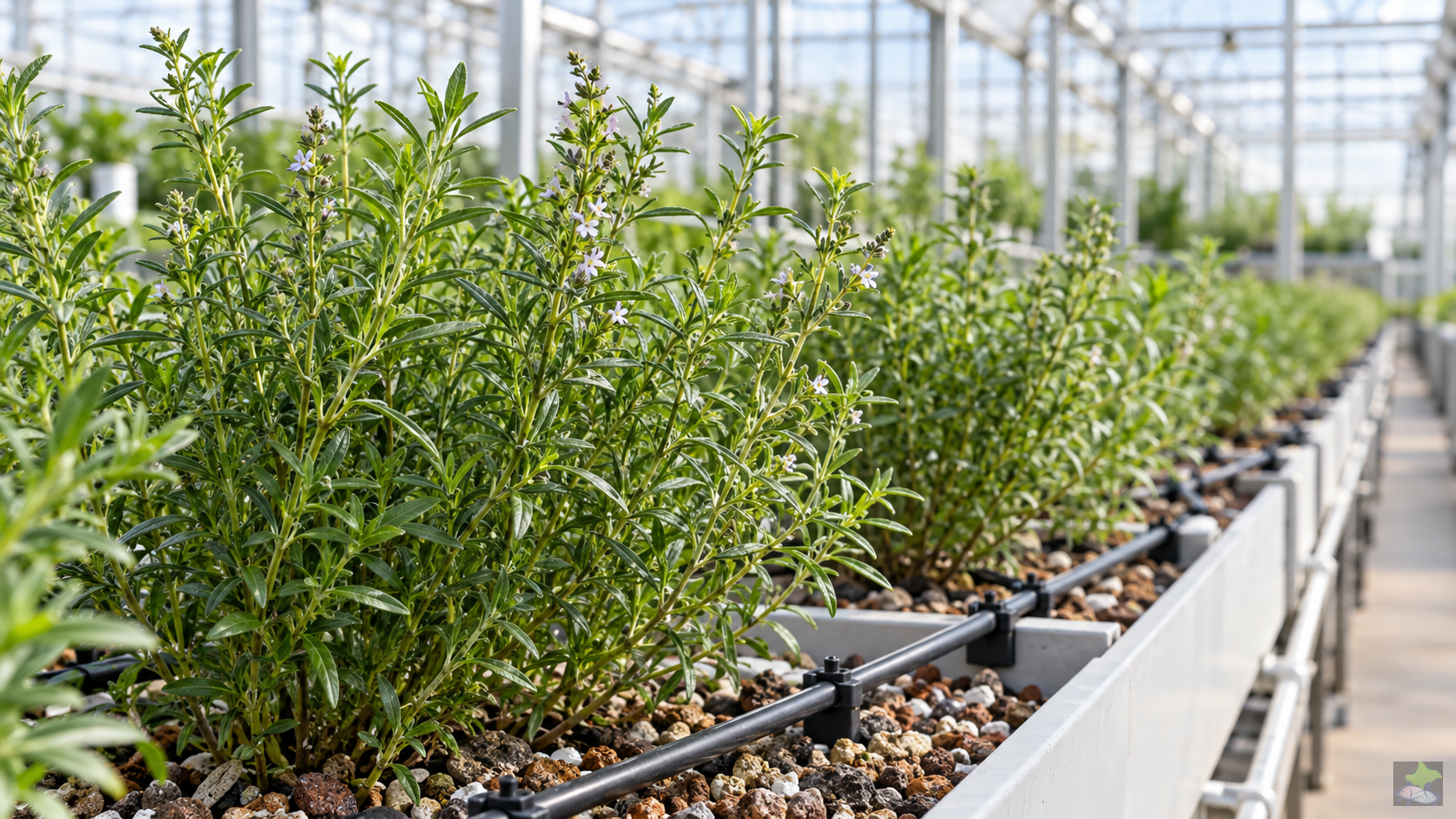
Separate water-loving from Mediterranean species and plan cutting and preservation.
Choose plants →Which plants suit which method?
| Method | Typical crops | Why it fits |
|---|---|---|
| DWC | lettuce, Swiss chard, pak choi, basil | large water buffer for leafy crops; reliable oxygenation is essential |
| NFT | lightweight leafy vegetables and herbs | limited root space and a thin nutrient film; failures have rapid effects |
| Kratky | short-cycle, compact crops | passive operation; container volume must match the growing period |
| Ebb and flow | Swiss chard, beans, radishes | flexible growing-media space; adapt irrigation intervals to substrate and climate |
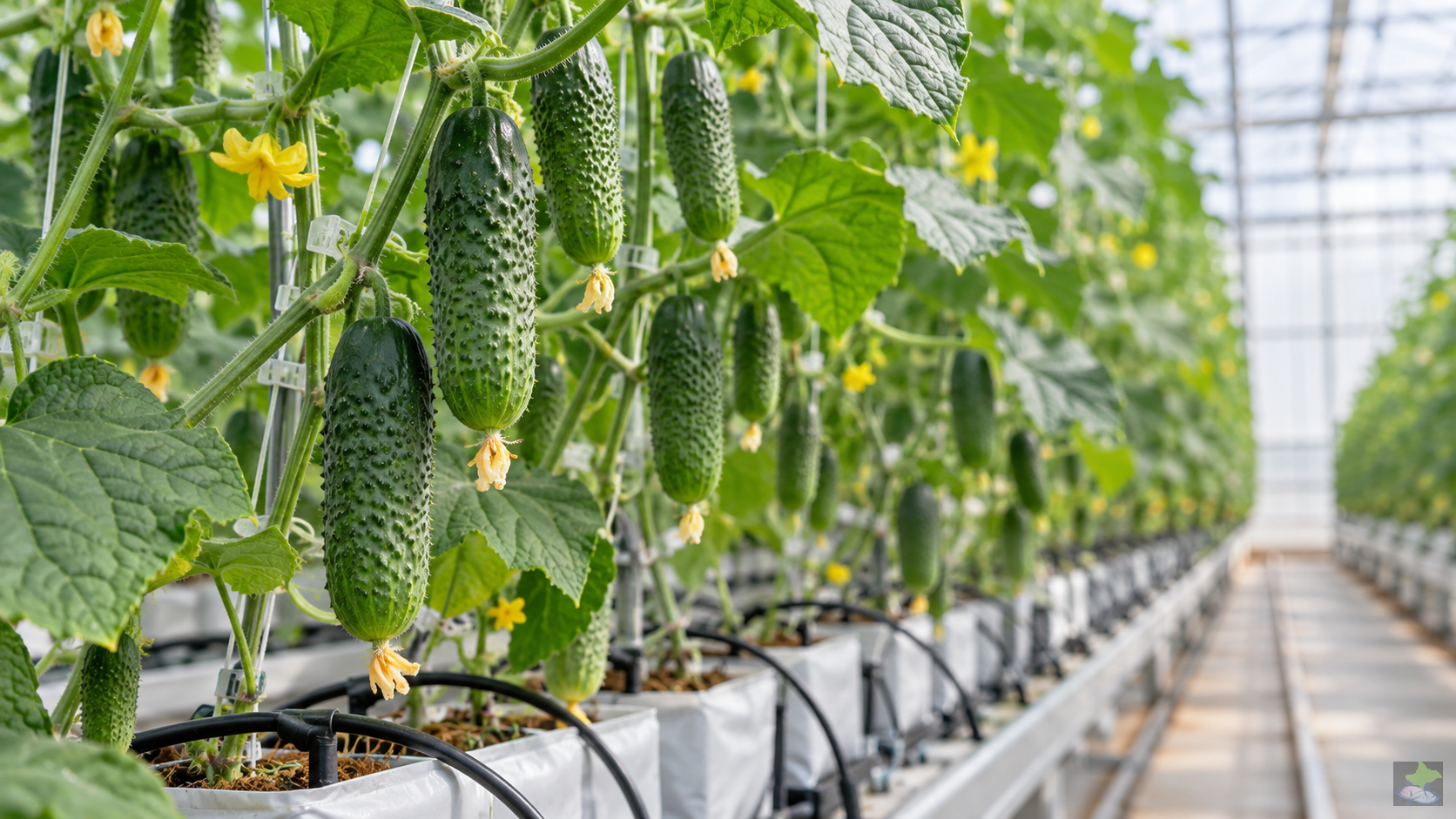
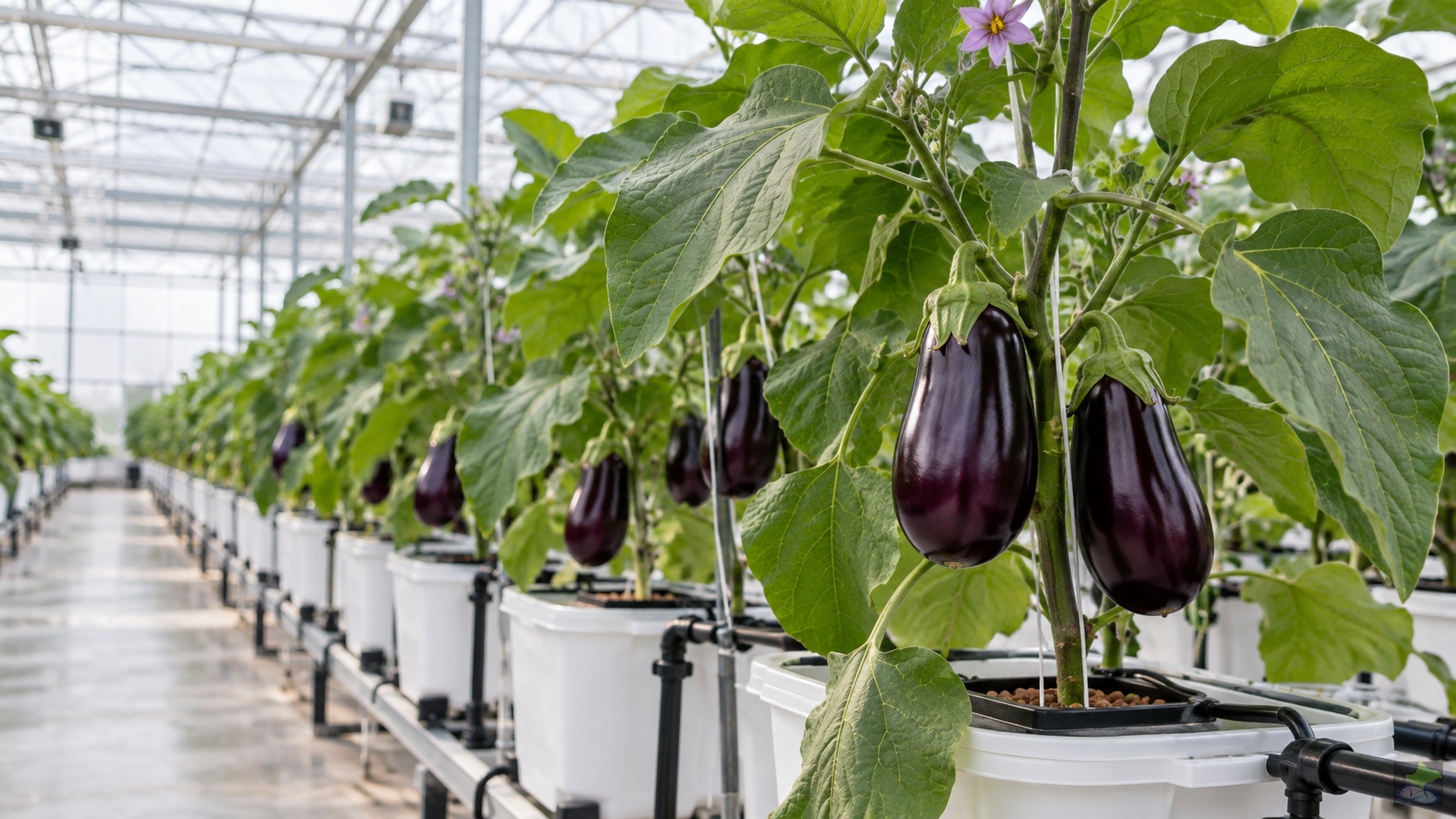
| Dutch Bucket | tomato, pepper, cucumber, aubergine | large, supported root zone for long-lived, heavy crops |
No rigid classification: Cultivar, climate, light, growth stage and operating objectives can alter the choice of system. Each plant profile therefore links directly to the growing systems recommended for that crop.
Balancing the fish loop and plant demand
Fully coupled
A shared water loop uses resources efficiently but permits only limited independent adjustment.
View system →Partially coupled
Water and nutrients are transferred in a controlled manner, allowing more precise management of the plant loop.
View system →Multi-loop
Separate functional areas improve controllability and operational reliability but require more equipment.
View system →Choose plants by category
Choose a category or open the desired plant profile directly.
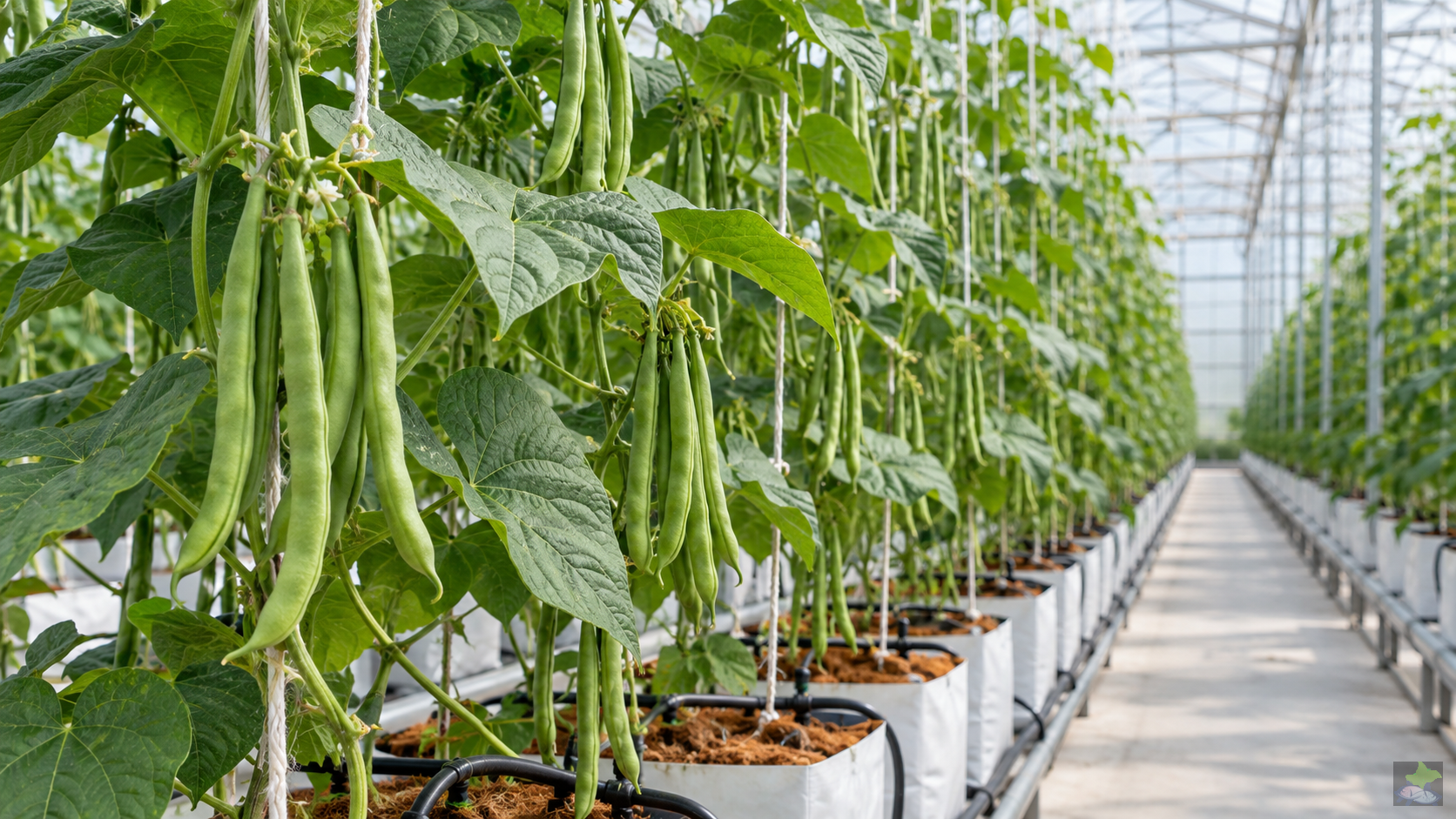
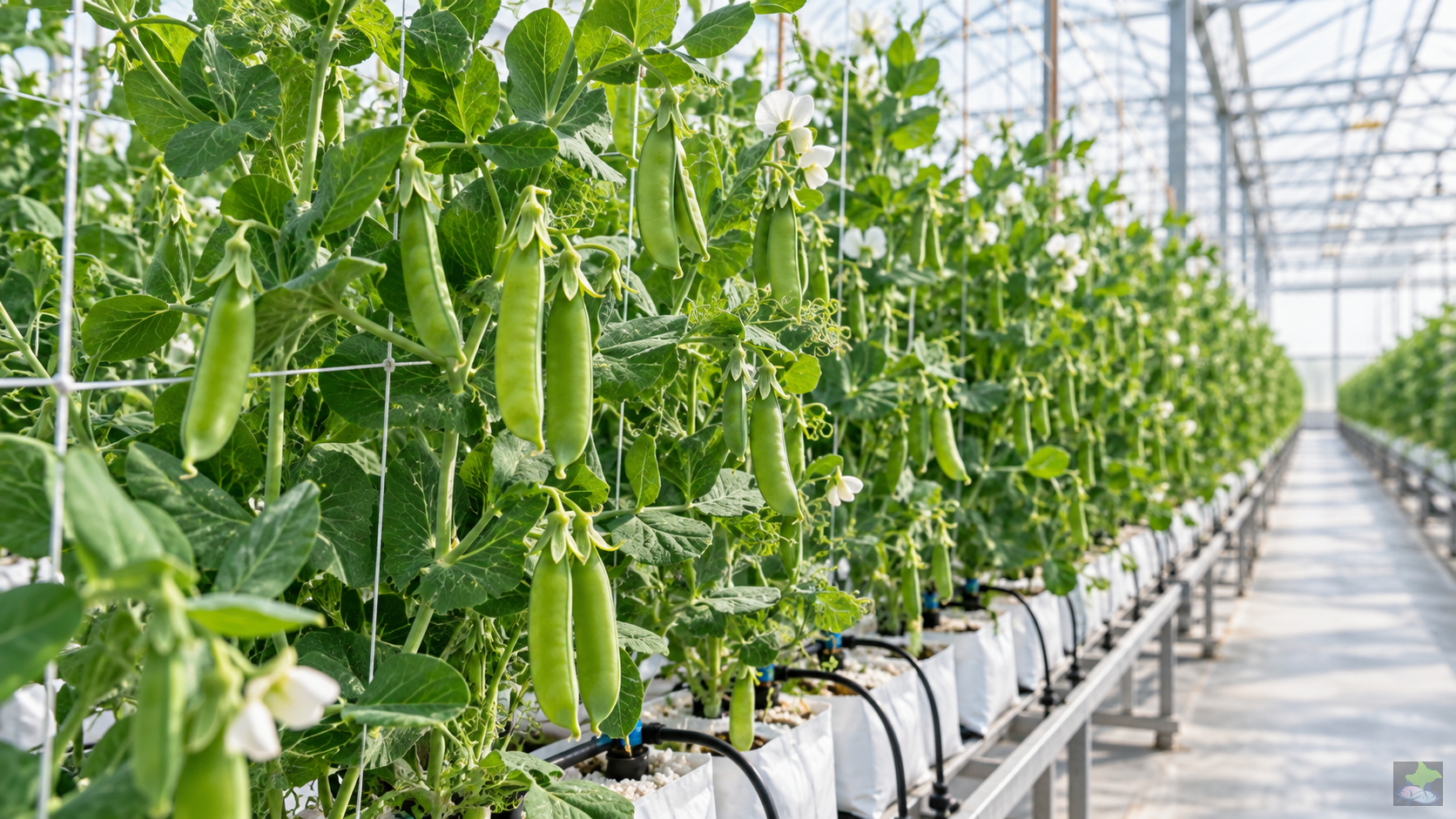
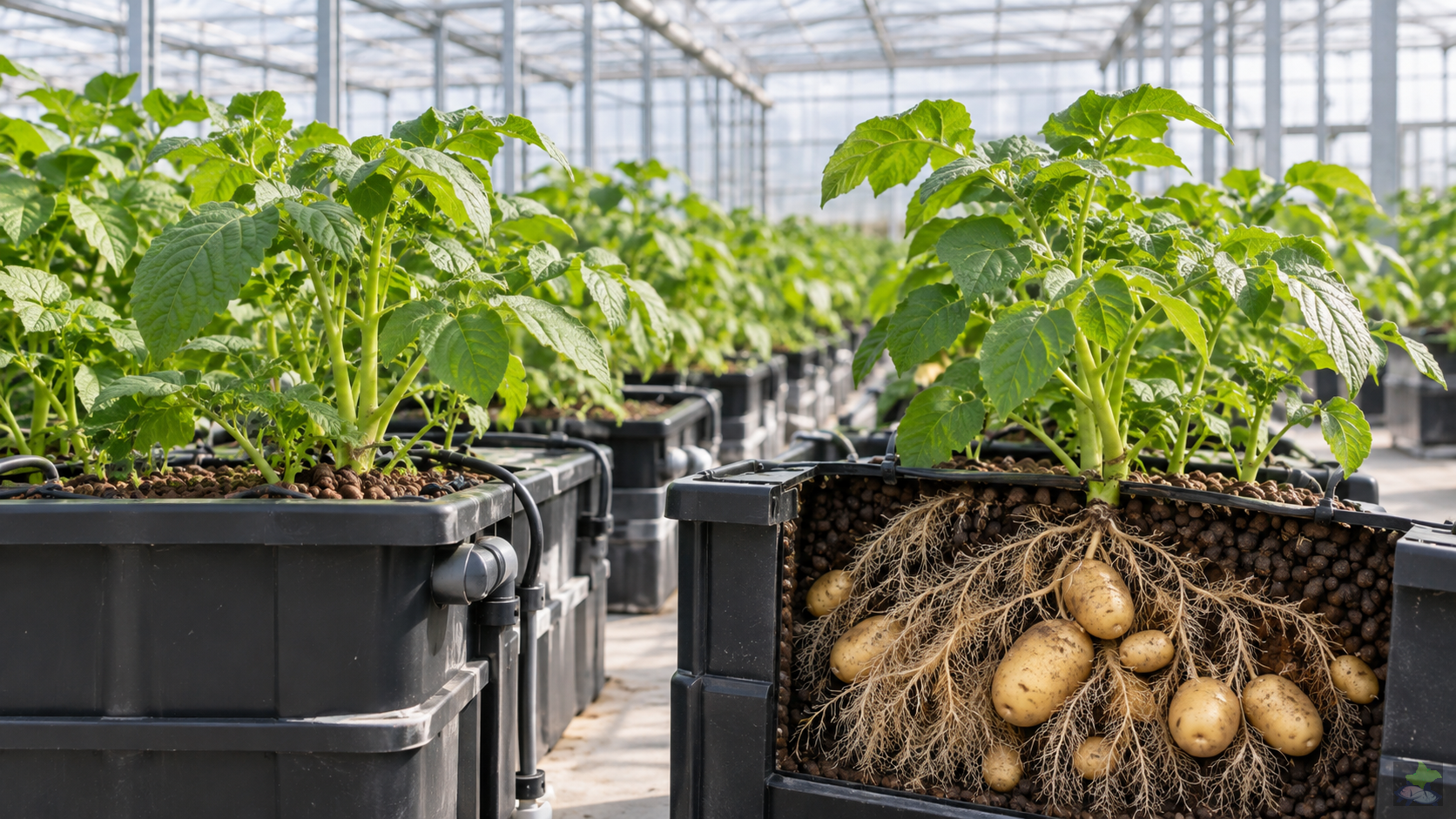
Protein-rich crops & staple foods
Compare pulses and storage organs by fresh yield, protein, energy and storage performance.

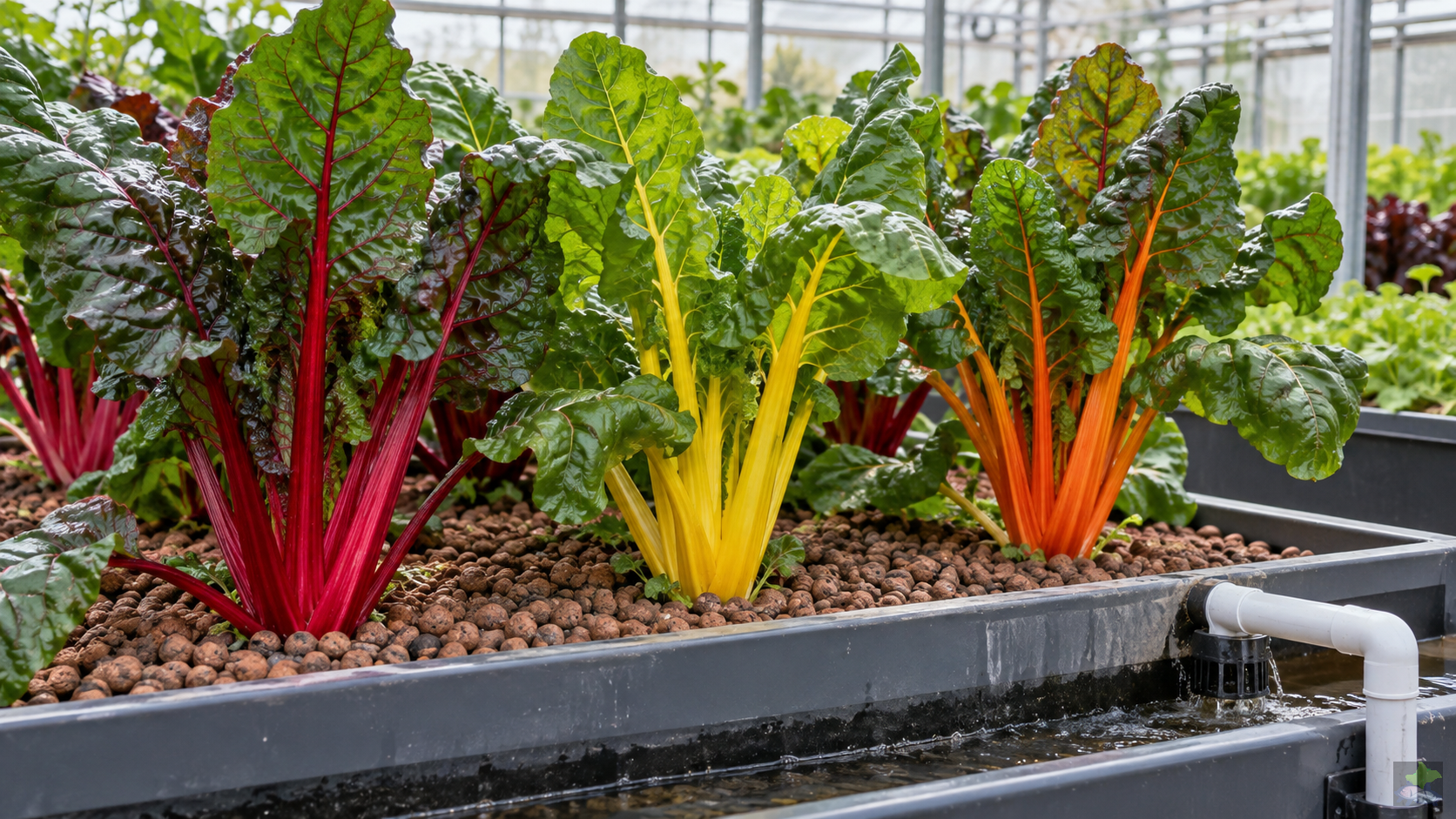
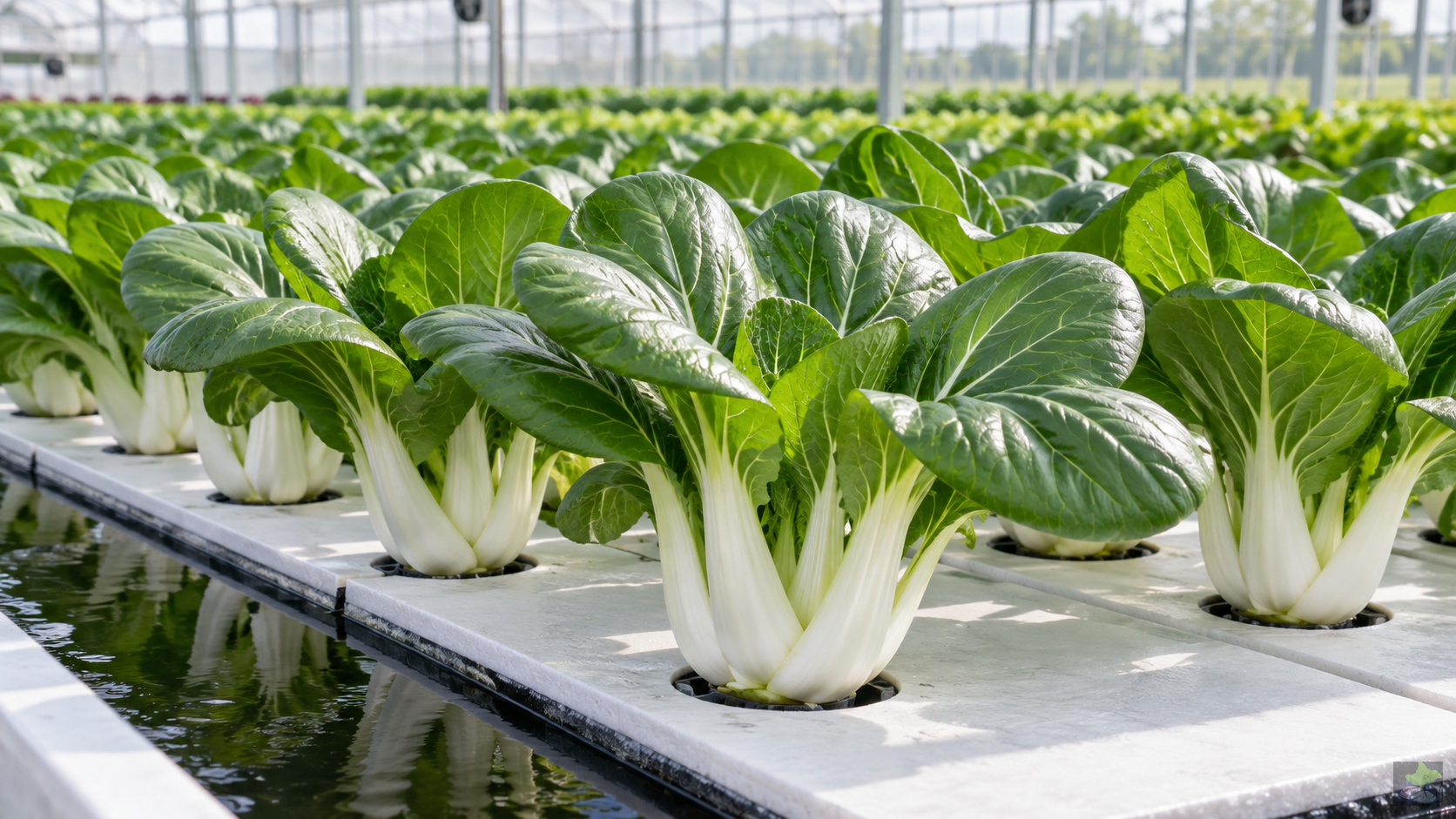
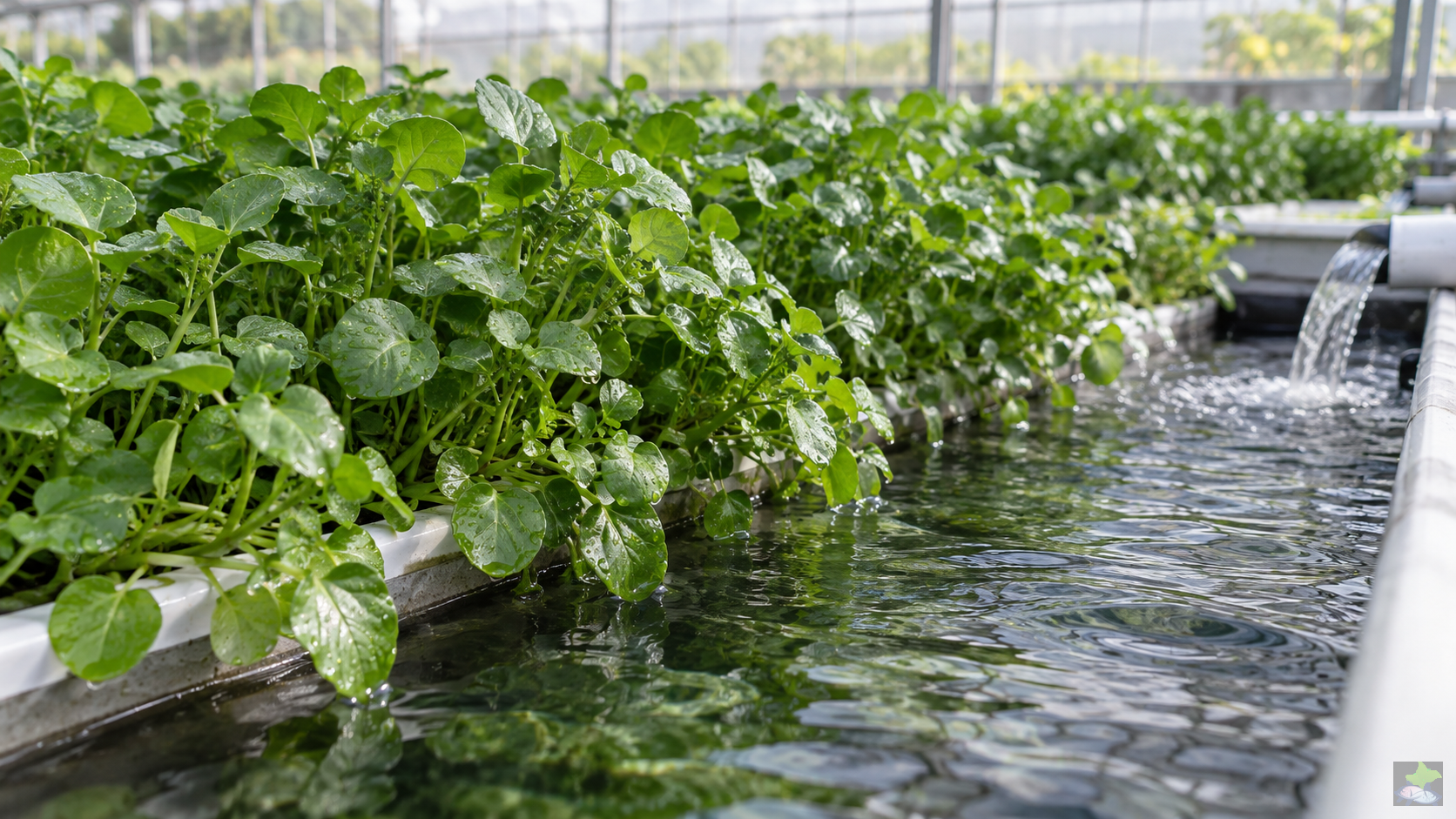
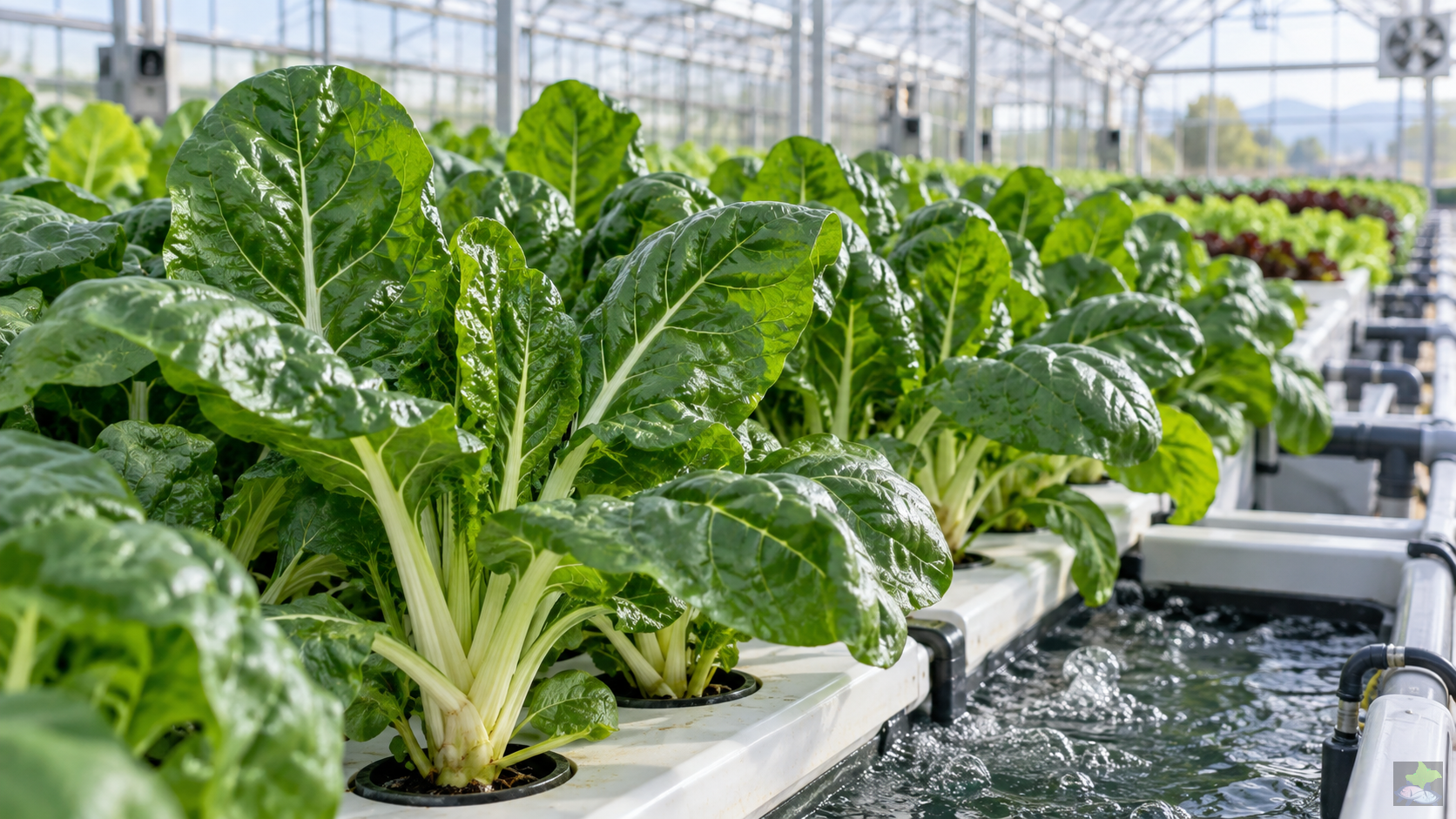
Leafy vegetables
Plan short successions and repeated cuts for a steady supply of fresh produce.

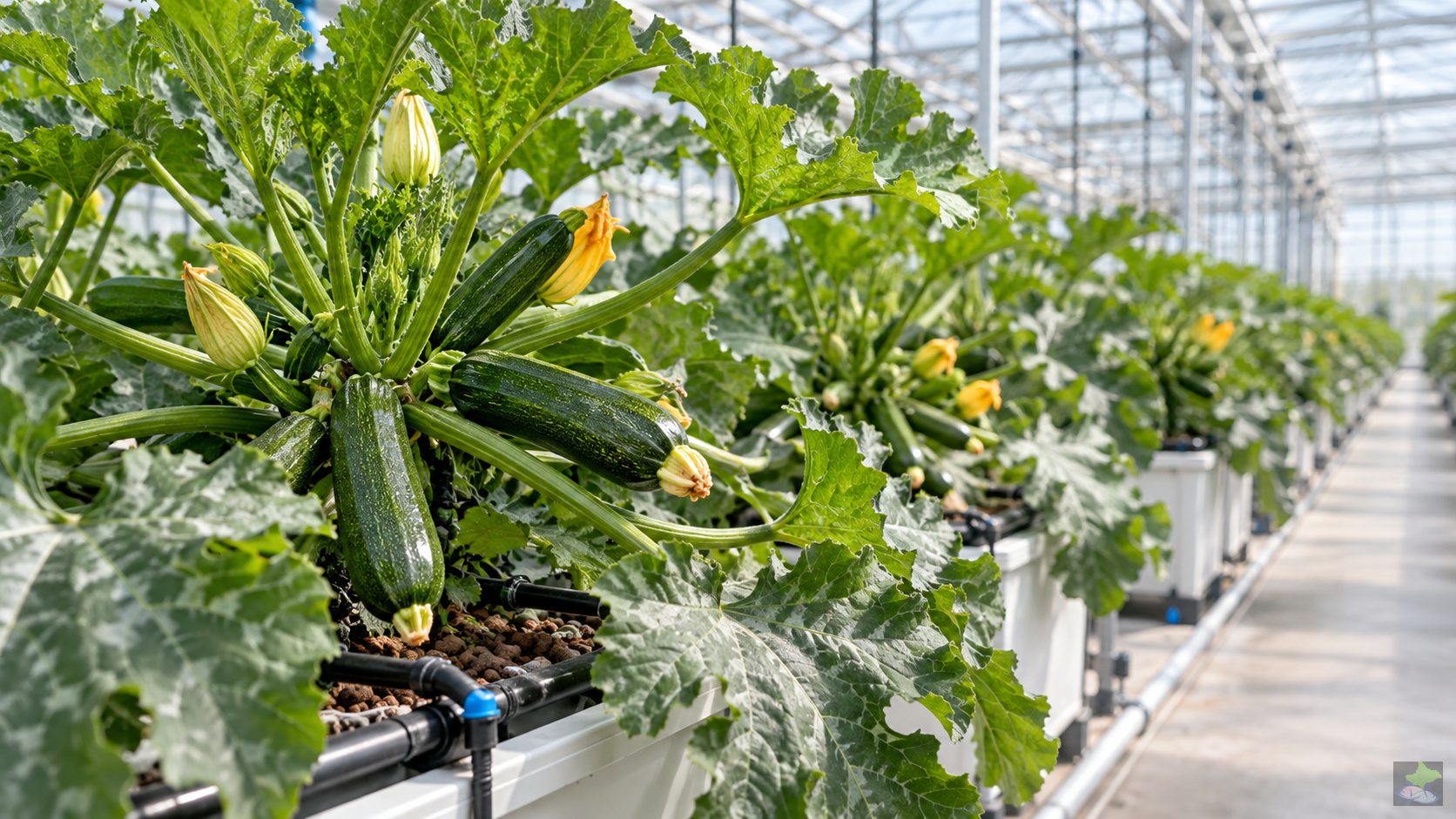
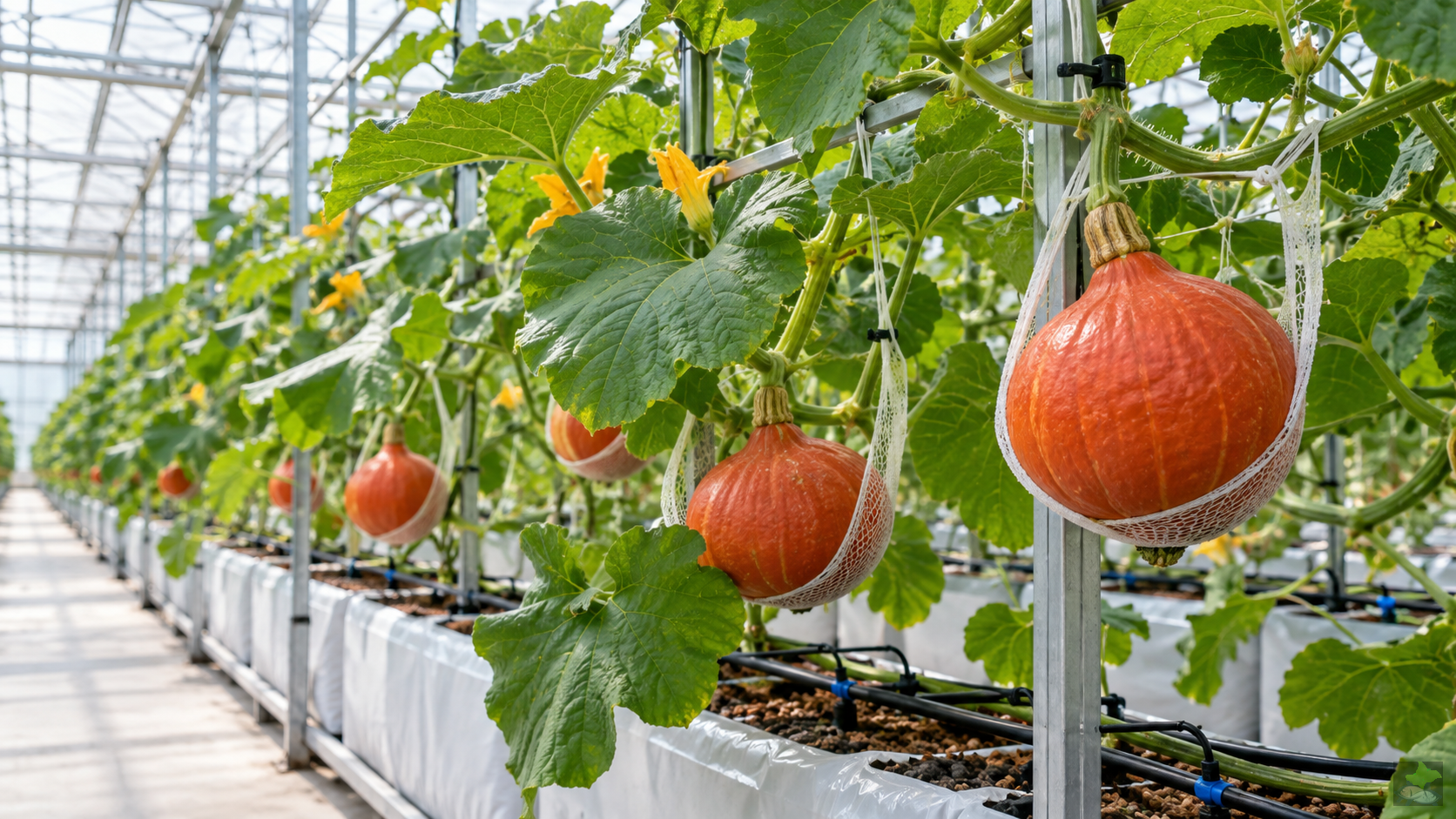
Fruiting vegetables
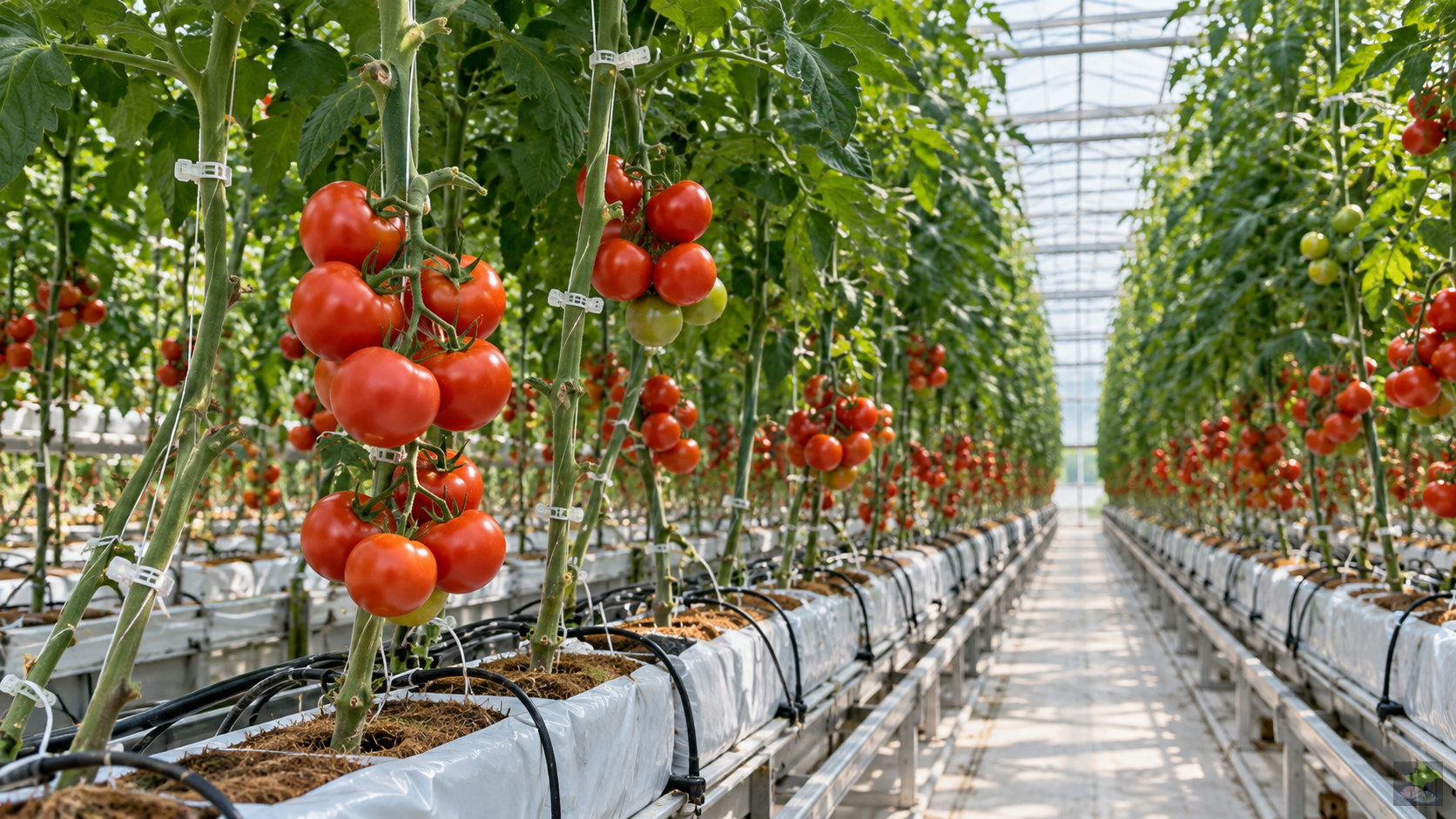
Manage light, growth, pollination and fruit load together throughout long growing cycles.
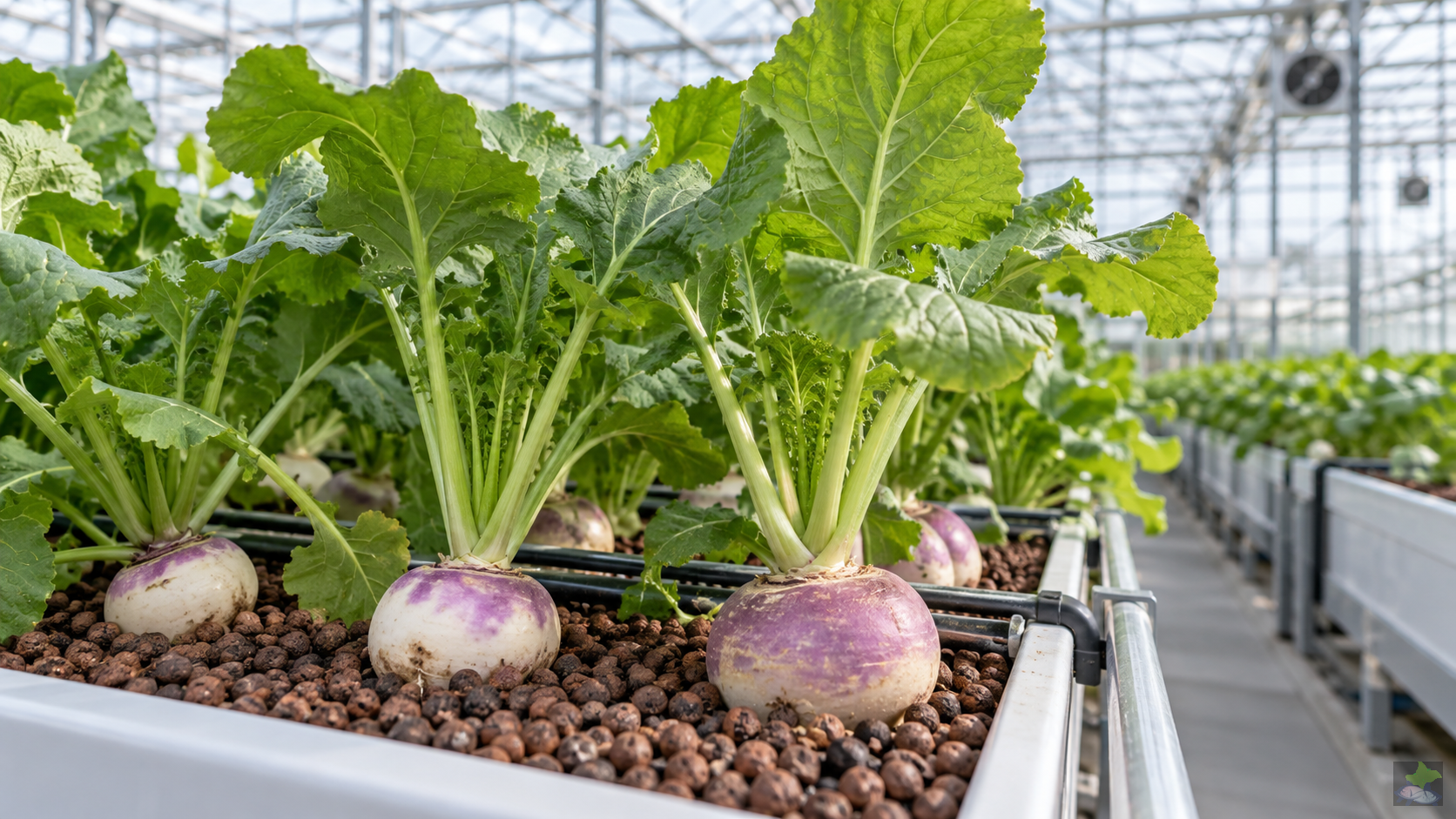
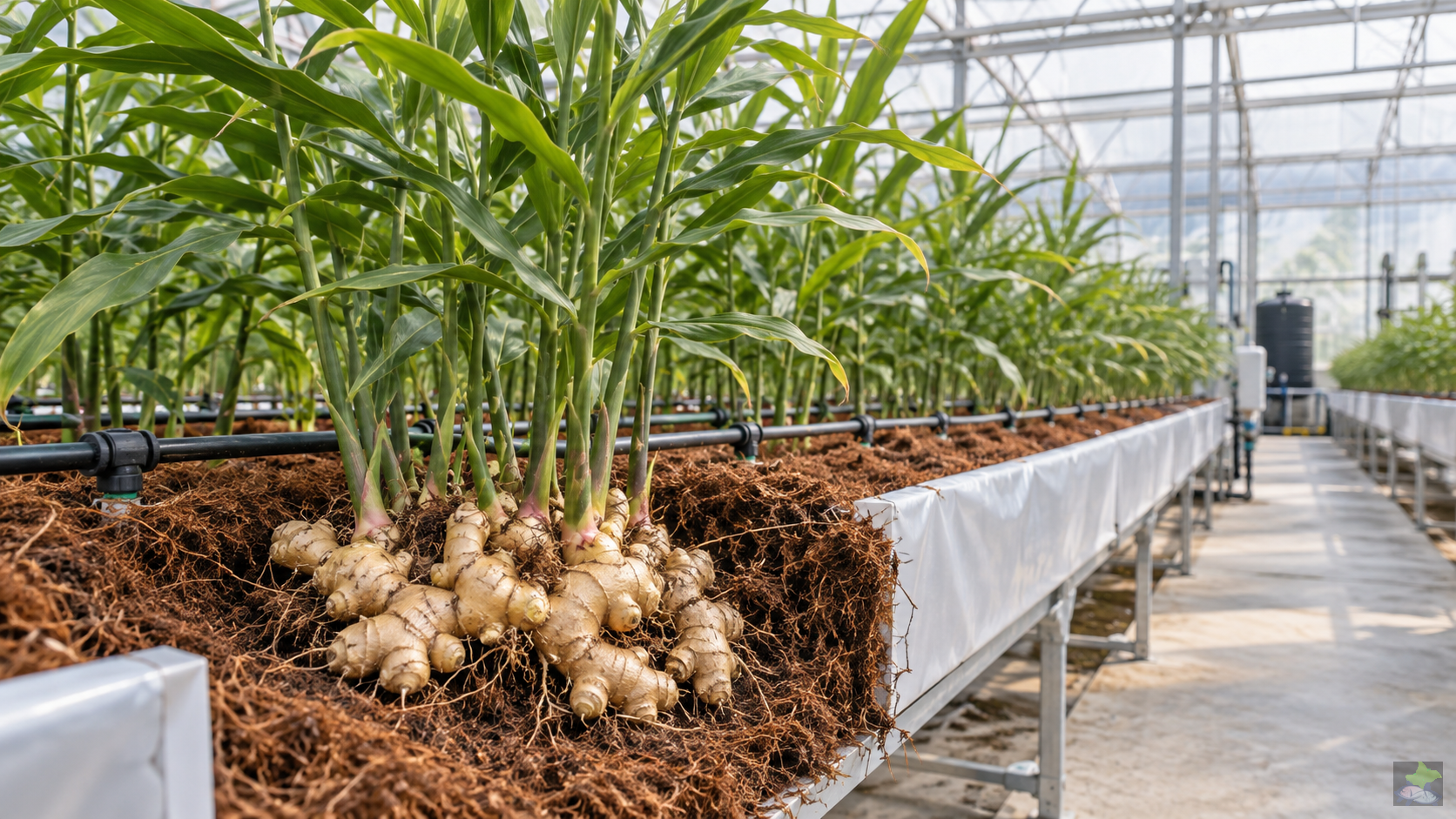
Root & tuber vegetables
Adapt depth, darkness, aeration and substrate structure to the particular storage organ.
Herbs
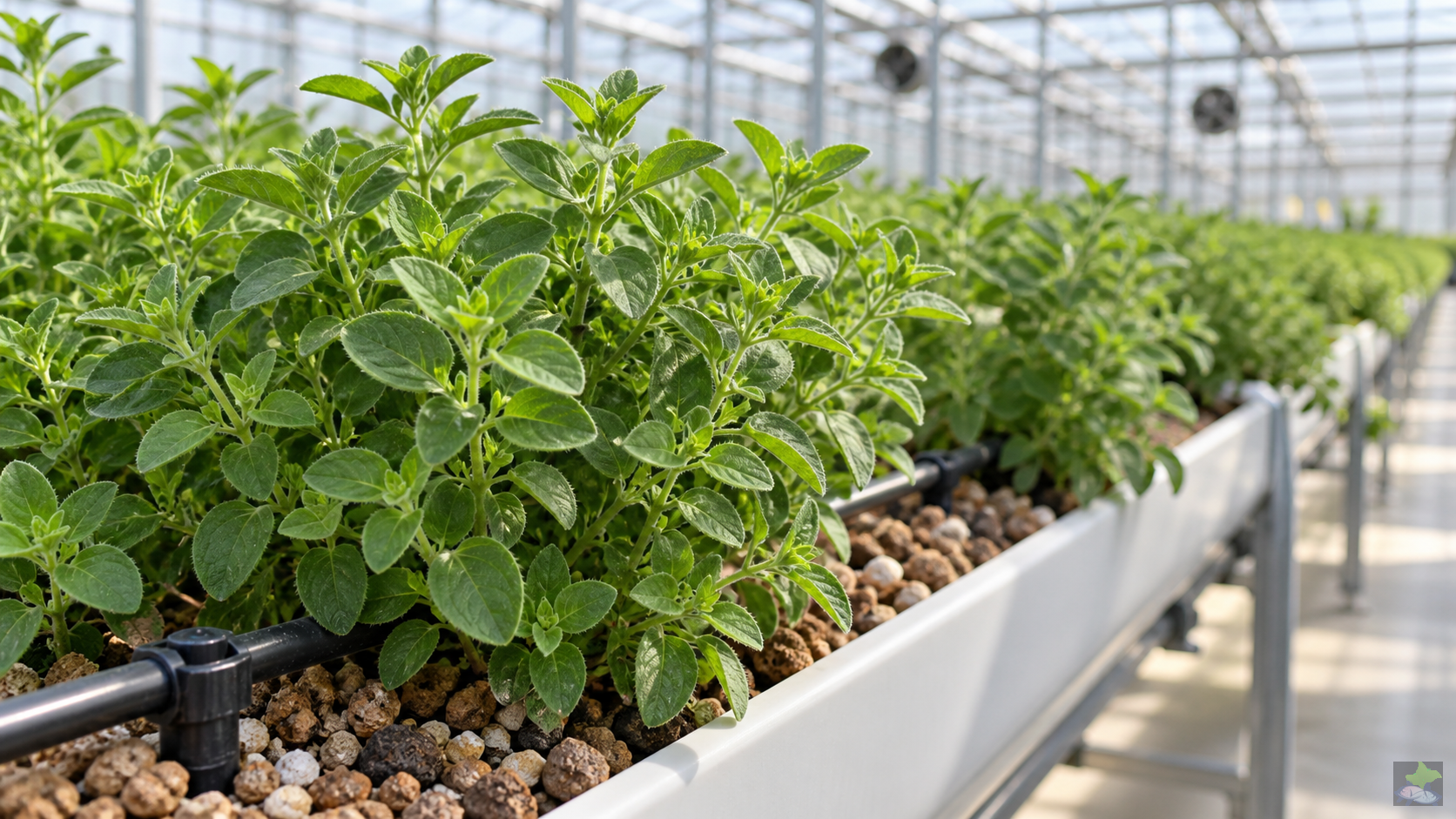
Coordinate root requirements, cutting rhythm, kitchen demand and preservation.