
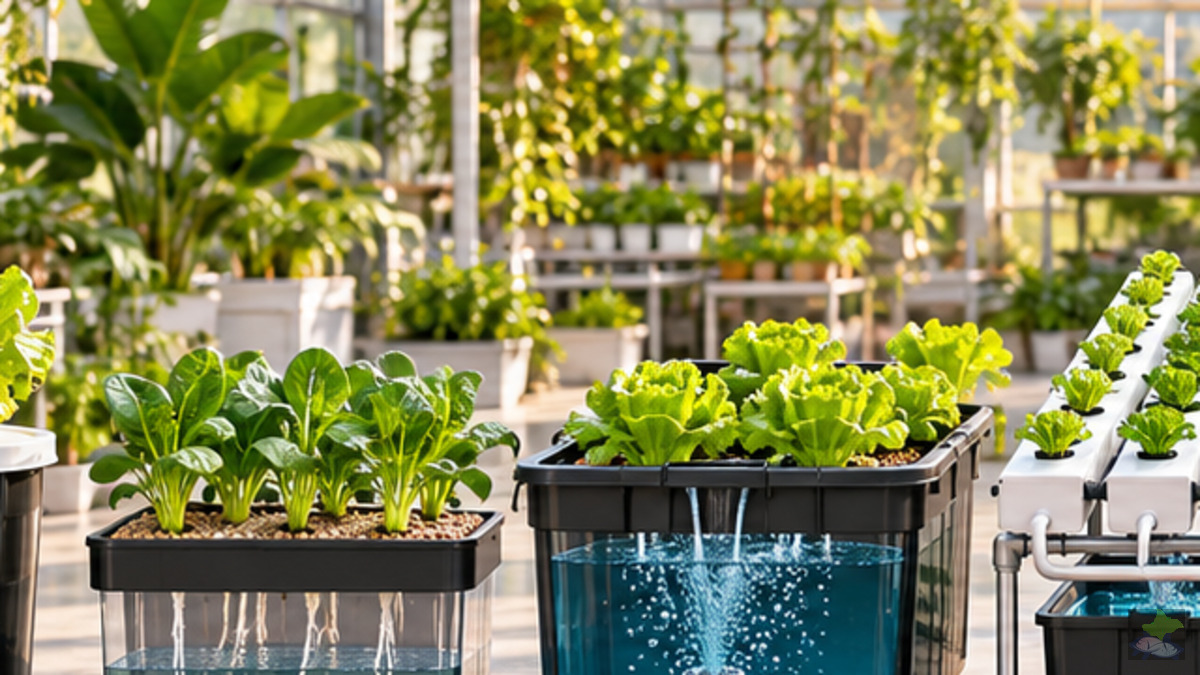
HYDROPONIC SYSTEMS · ACTIVALLY AUTHORISED root zone
Deep Water Culture (DWC)
Roots in actively aerated nutrient solution – technically planned, measurably guided and protected against failures.
What Deep Water Culture Means on This Page
Deep Water Culture (DWC) This term refers to a hydroponic system in which a substantial part of the root system is permanently present in a comparatively deep nutrient solution. The solution is actively supplied with oxygen and moved or circulated in professionally constructed plants such that plants, nutrients, temperature and dissolved oxygen are supplied or distributed as uniformly as possible.
DWC is also known as Deep Flow Technique, Floating Raft Technology or Raceway Culture. Not every tub with water and air stone is therefore already a reliable DWC system. Crucial is the interaction of production basins, plant carriers, nutrient solution, oxygen input, water movement, measurement routine, hygiene and failure protection.
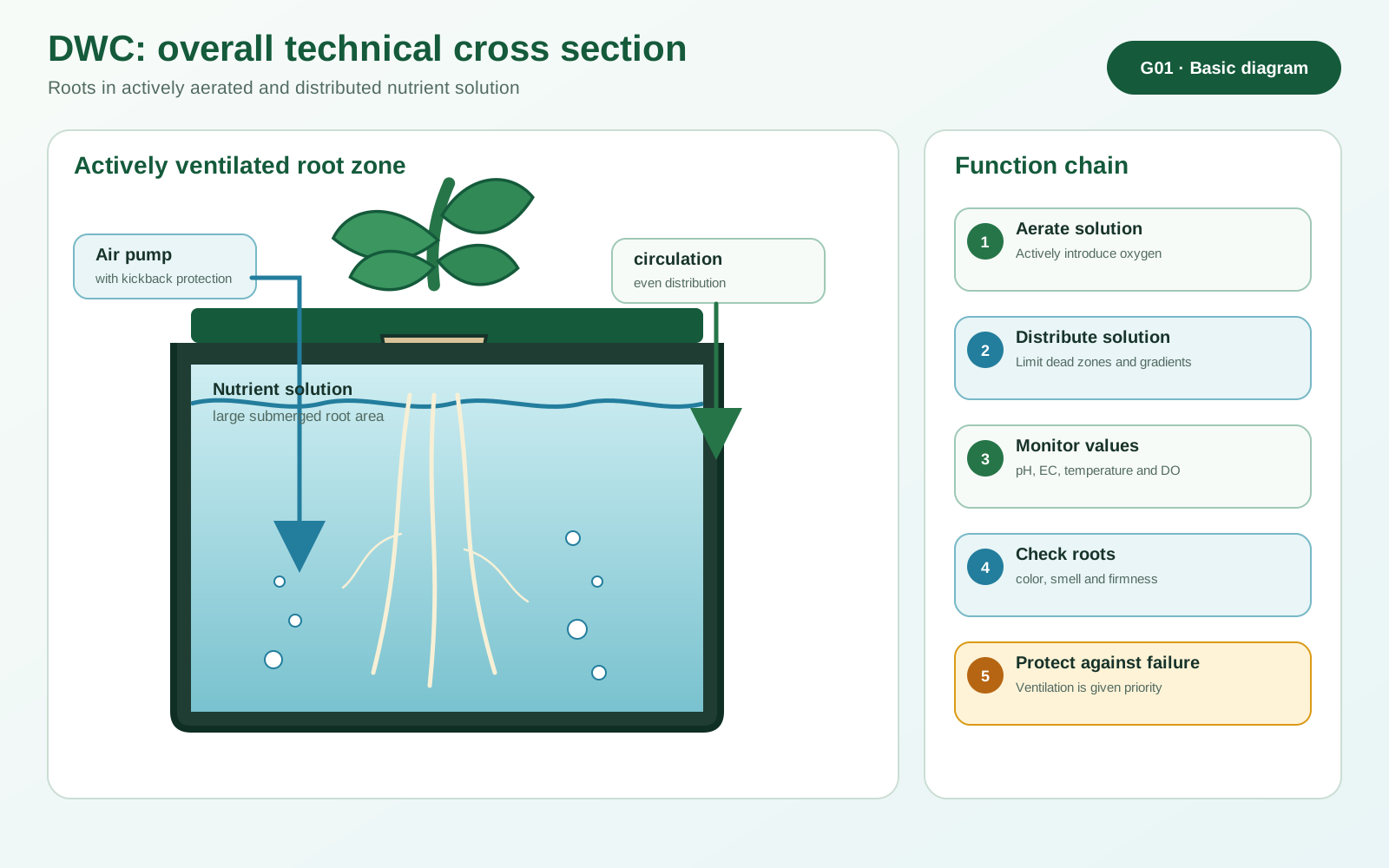
Functional principle and material routes
The plant is kept in the net pot, growing medium or raft. Their roots reach into the nutrient solution and absorb water and dissolved nutrient ions. Oxygen is not added to the fertilizer, but enters the solution via air supply, diffusers, water surface and circulation. At the same time, roots and microorganisms consume oxygen.
A DWC basin is therefore not a static supply. Water absorption, perspiration, evaporation, nutrient absorption, temperature and biological activity continuously change the state of the system. Measurements must be read as a curve.
Components and tasks of the system
- Production basin or tank
- absorbs nutrient solution and roots; shall be tight, light-protected, cleanable and supported against water pressure.
- Raft or plant carrier
- positions plants, limits light and must remain manageable and hygienic.
- Air pump, line and diffuser
- generate and distribute the airflow. Rebound protection, accessibility and maintenance are part of the design.
- Circulating pump or hydraulic return
- supports the distribution of temperature, nutrients and oxygen; It does not automatically replace ventilation.
- Measurement and sample inputs
- enable pH, EC, temperature, DO and level control without unnecessary contamination.
- Alarm and reserve
- Secure the critical oxygen supply against power, pump, line or diffuser failure.
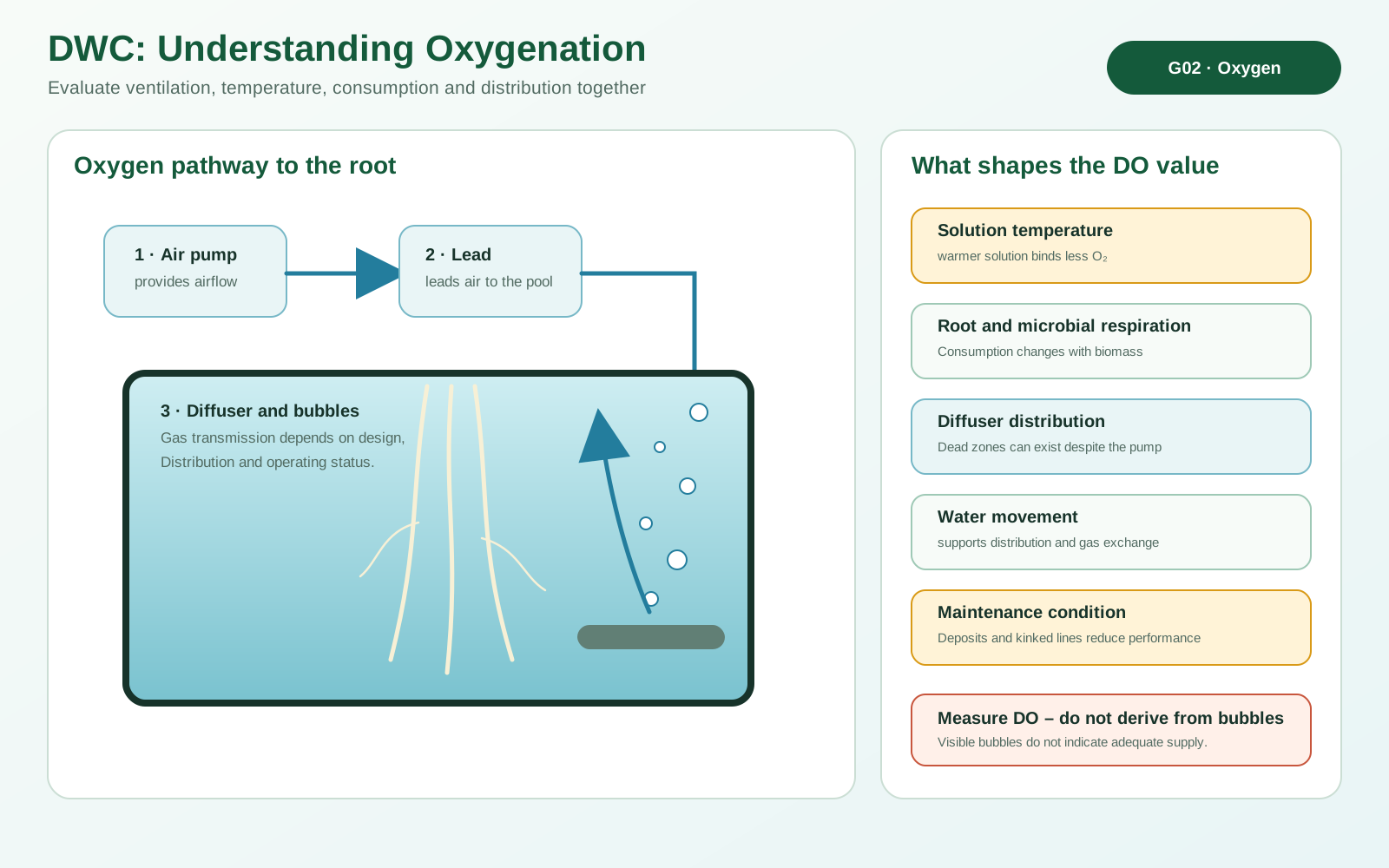
Correct oxygen supply
Roots require oxygen for cellular respiration. In DWC, the oxygen pathway is technically forced because a large part of the root remains immersed. Visible bubbles only show that air escapes. They show neither sufficient gas transfer nor even DO distribution throughout the basin.
Available oxygen depends, inter alia, on solution temperature, air output, diffuser area, bubble size, immersion depth, water movement, plant and root mass, microbial load and maintenance status. Therefore, no universal “litres of air per minute per plant” are given.
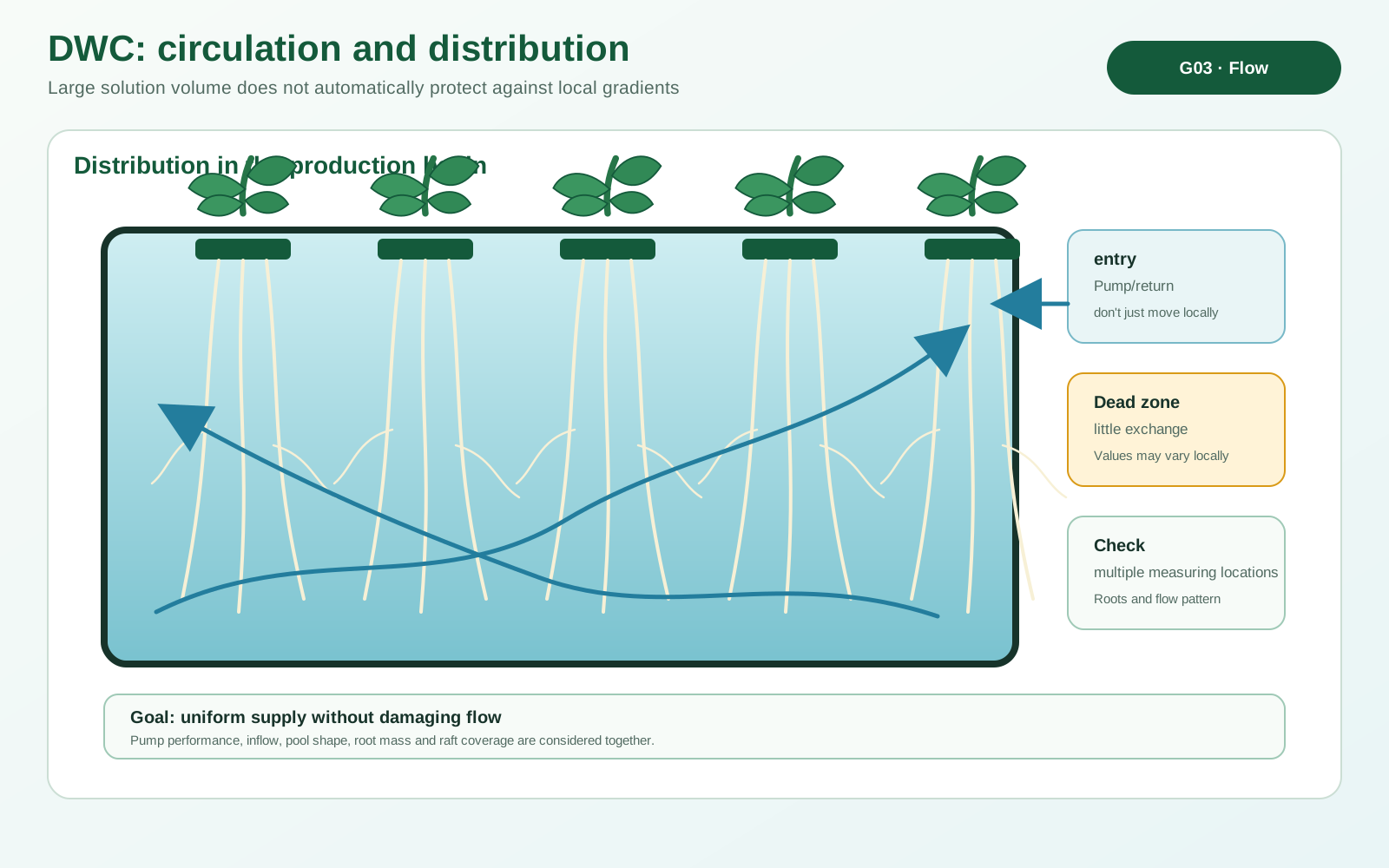
Circulation, basin shape and dead zones
A large solution volume buffers changes better than a very small reservoir. However, it does not prevent local gradients. Dense root mats, unfavorable inflow, corners, folds in the liner or unevenly distributed diffusers can produce areas with low flow.
The design therefore takes into account basin length and depth, inlet and outlet, pump characteristic, root growth, rafting and maintenance access. Measurements only in a conveniently accessible location can overlook local problems.
Starting phase and young plant transition
During transfer, the young root or media area must reliably reach moisture without unnecessarily flooding the growing medium. At the same time, the active oxygen supply begins immediately. The appropriate transition depends on plant species, plug, pot, root length and carrier construction.
Young plants are not transferred by calendar alone. Root development, leaf state, substrate moisture and stability of the prepared nutrient solution determine the time.
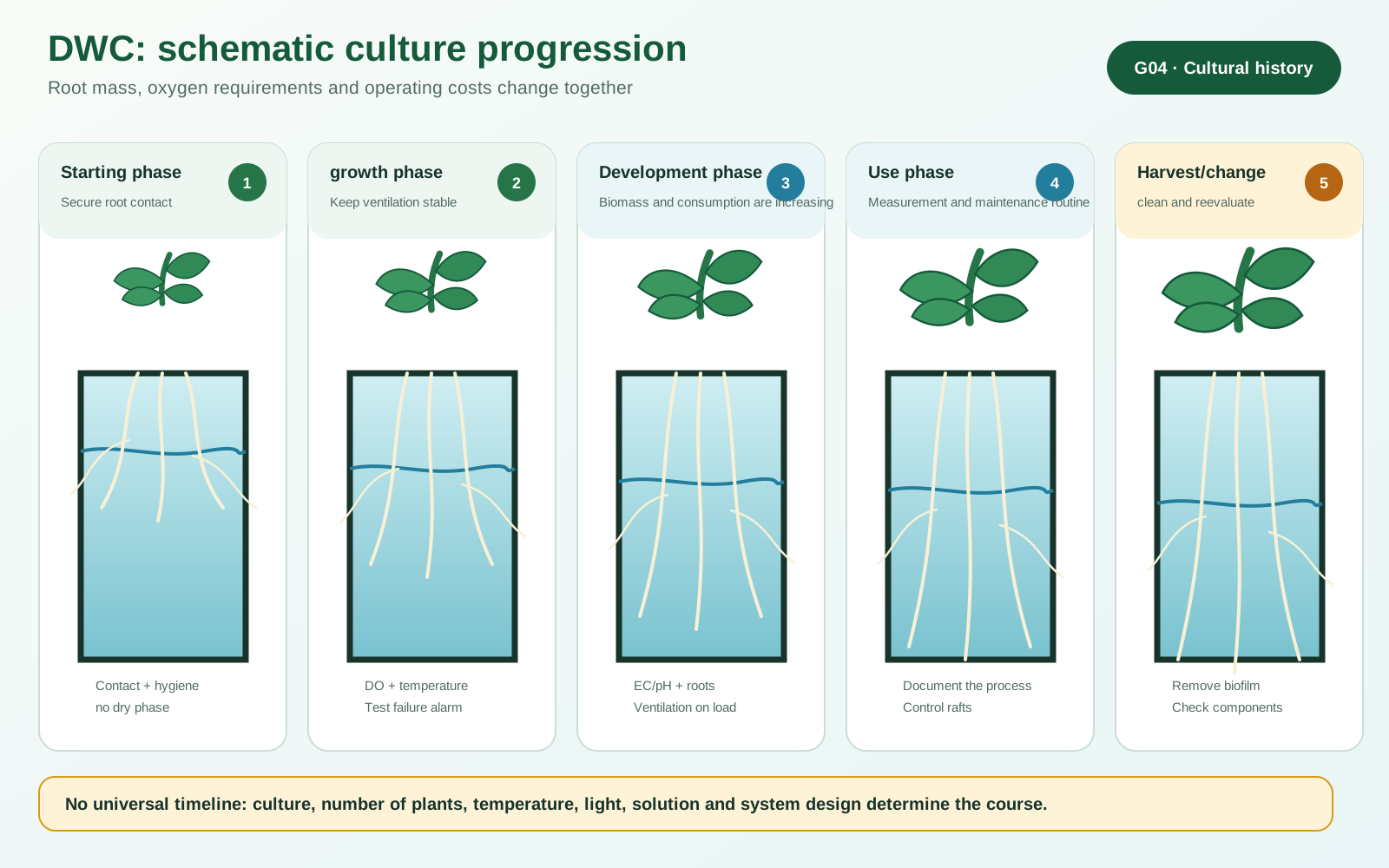
Culture course and root development
With increasing plant and root mass, water intake, nutrient turnover and oxygen demand increase. At the same time, the root system can change flow paths and conceal diffusers or processes. An initially sufficient ventilation is therefore not automatically sufficient until harvest.
The culture progression is accompanied by repeated measurements, root controls and documented interventions. A universal timeline would be technically misleading.
Nutrient solution, starting water and concentration
A nutrient solution is built up from analyzed or at least characterized starting water and a recipe suitable for the culture. EC describes the total conductivity and thus a sum effect of dissolved ions; the value does not indicate which individual nutrients are present or depleted.
If only water is refilled, nutrient ratios can change. If concentrate is supplemented in a reflex-like manner, unabsorbed ions can accumulate. Water, nutrient and volume balance must therefore be evaluated together.
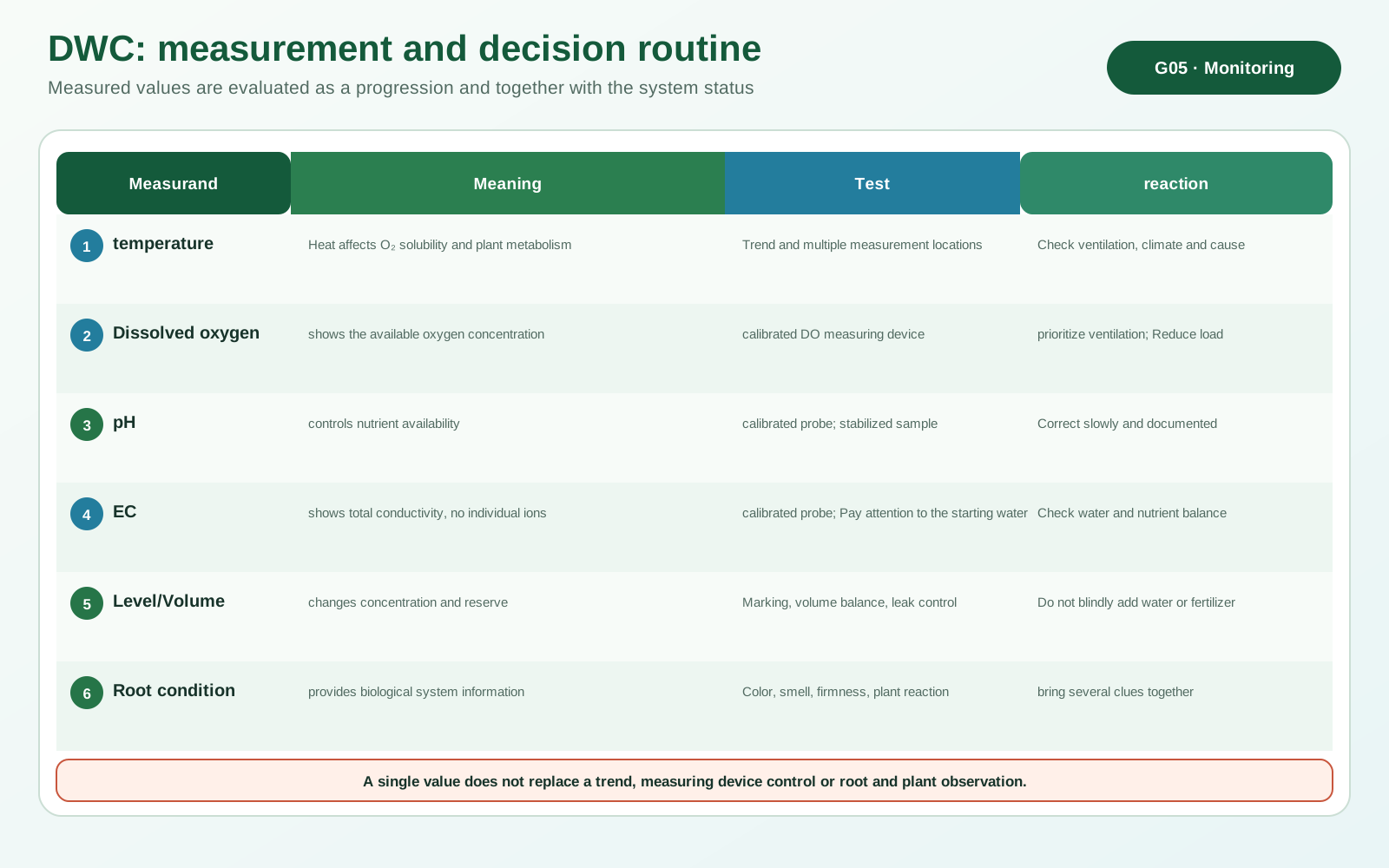
Measure pH and EC, do not guess
Measuring instruments are calibrated with appropriate standards, samples are mixed and the display is allowed to stabilize. Measurement time, measurement location, temperature and intervention are documented. Conspicuous values are confirmed by control measurement before correcting.
Culture-specific target areas from specialist sources are starting points, not universal DWC values. Variety, development phase, climate, water alkalinity and recipe change the meaningful leadership.
Temperature as a system variable
Dissolution temperature affects plant metabolism, root respiration, microbial activity and solubility of oxygen. As temperature rises, water can hold less oxygen while biological consumption can increase at the same time.
A temperature deviation is therefore not considered in isolation. Climate, lighting, basin cover, pump heat, location and DO course are checked together.
Crops and densities
DWC is often used for low-growing leafy vegetables and herbs. Salads, basil and various Asian leafy vegetables go well with the rafting principle. Fruit crops are technically possible but often require longer culture management, stronger support, greater root and nutrient reserves, and different management.
Plant density is not just a question of hole spacing. Light, air movement, rafting stability, root zone, harvest weight and hygiene access determine the occupancy.
Dimensioning without universal formula
Basin volume, depth, air output, pump output and number of plants are derived from culture target, culture time, temperature range, expected root mass, water absorption, maintenance strategy and desired reliability. Individual values from published test plants are not general sizes.
Biological load + Temperature and location load + Required distribution + Maintenance reserve + Failure reserve → System area instead of single number
Failure and alarm
Active ventilation is a critical function. A DWC system therefore needs a defined reaction to power failure, pump damage, ruptured or kinked line, blocked diffuser, leak and overtemperature. Depending on the stock value and reaction time, separate circuits, second air pump, battery/emergency power supply, pressure or current monitoring and remote alarm can be useful.
Redundancy does not mean two devices at the same unsecured source of error. Shared power supply, shared line or a single distributor can put both paths out of service at the same time.
Hygiene, biofilm and food safety
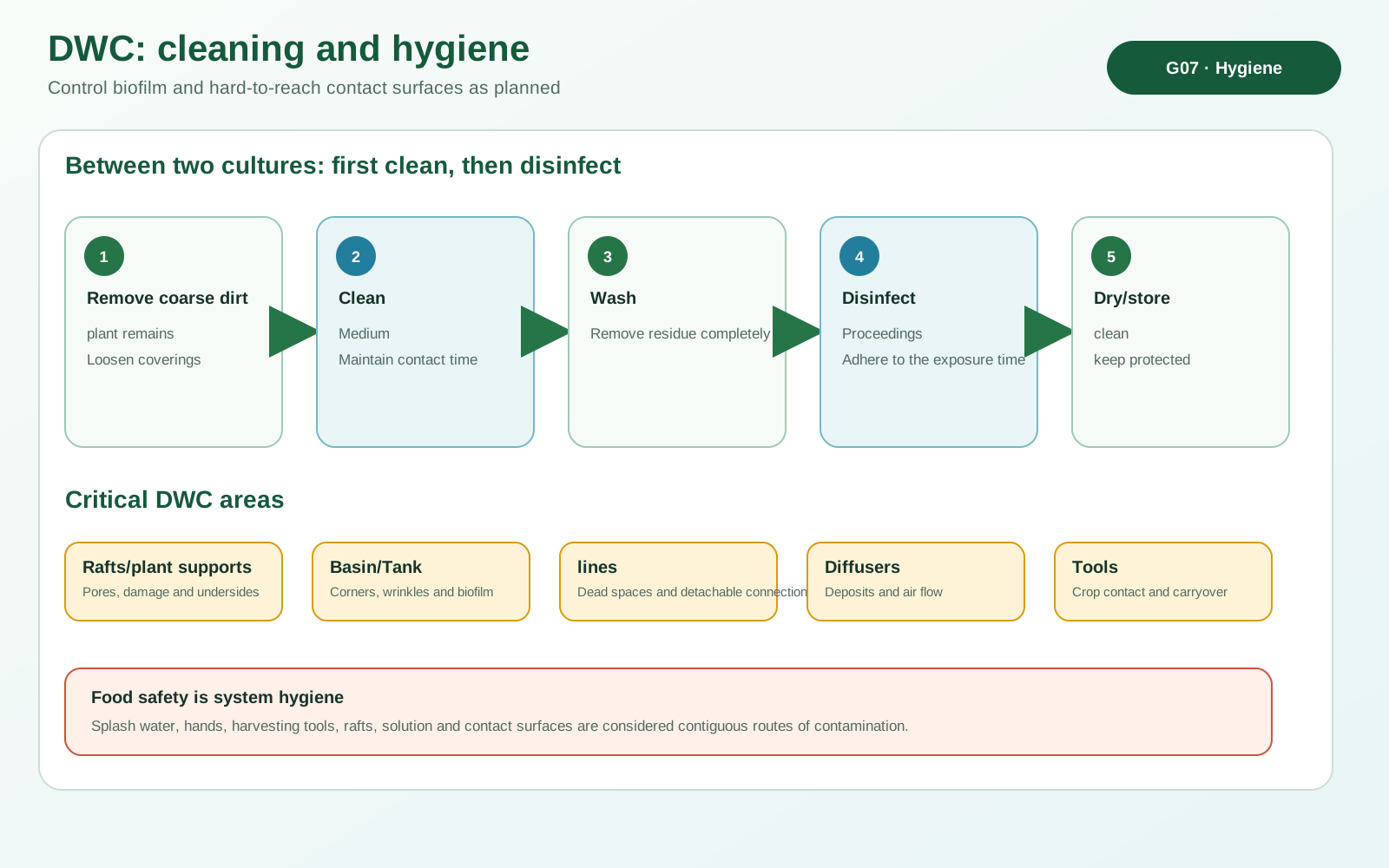
DWC connects many plants via the same solution. This allows water, splashes, tools, hands, rafts and pipes to distribute substances or pathogens in the system. Biofilm protects microorganisms and makes effective disinfection difficult.
Between cultures, organic residues are first removed, surfaces cleaned, rinsed and subsequently disinfected using an appropriate documented method. Porous, damaged or no longer reliably cleanable rafts are eliminated.
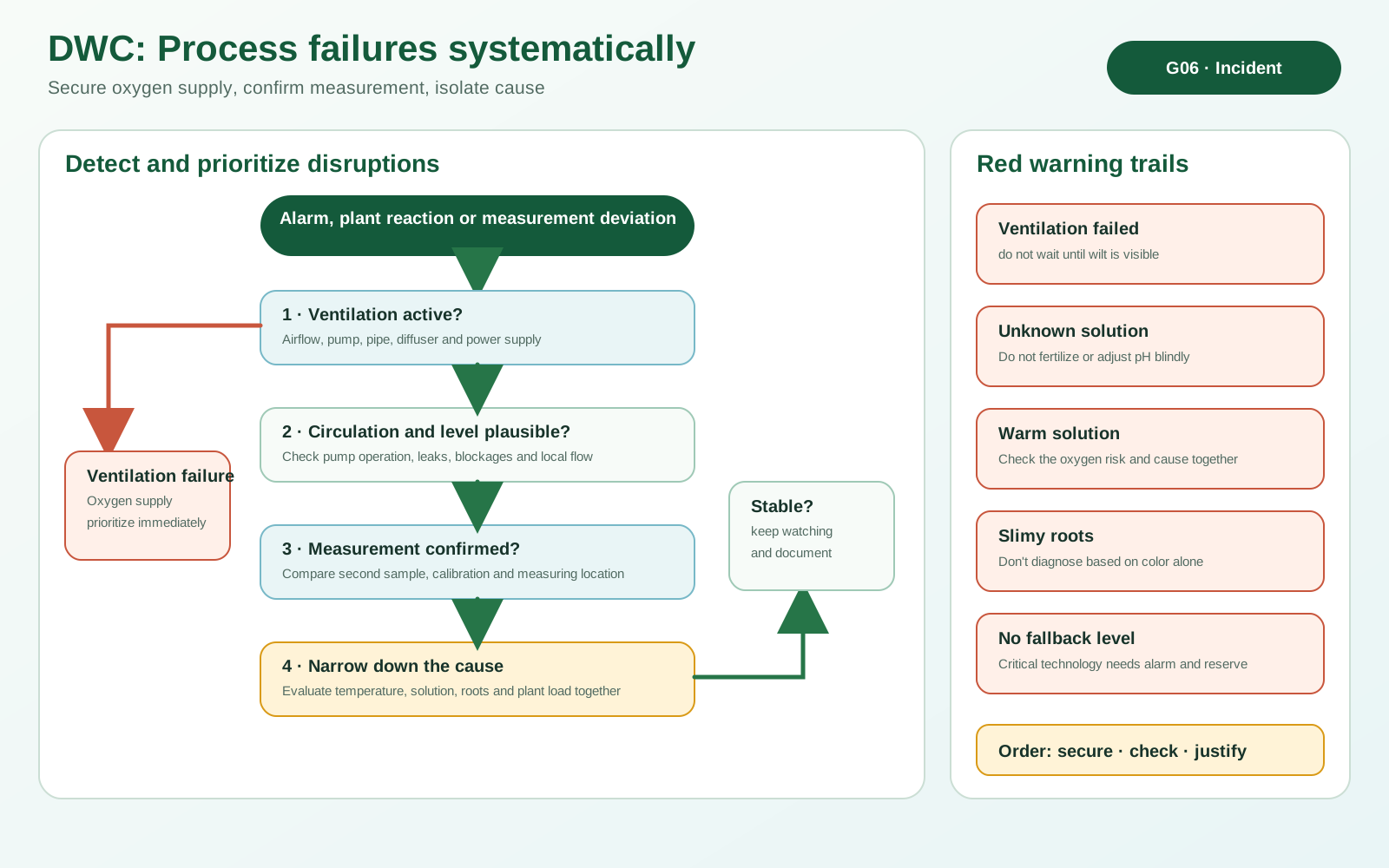
Systematic diagnosis of disorders
Wilting, slowed growth, leaf discoloration, rising or falling EC, smell and dark or slimy roots are symptoms – not finished diagnoses. Measuring instrument, course, temperature, oxygen, level, roots, solution, plant load and final interventions are tested.
In particular, root color alone is not enough: growing medium, nutrient coloration, natural aging, deposits and tissue damage can look similar. A low-risk initial measure ensures critical functions before a nutrient or pH correction is made.
Operational routine and documentation
- visibly and technically control ventilation and water movement.
- Temperature, pH, EC, level and – depending on asset value and risk – DO as a course document.
- Test roots and plant reaction at representative sites.
- Lines, diffusers, pumps, inlets and outlets.
- Log additions, water changes, calibrations and faults.
- Test the alarm and fallback levels regularly under controlled conditions.
DWC vis-à-vis Kratky, NFT and Dochtsystem
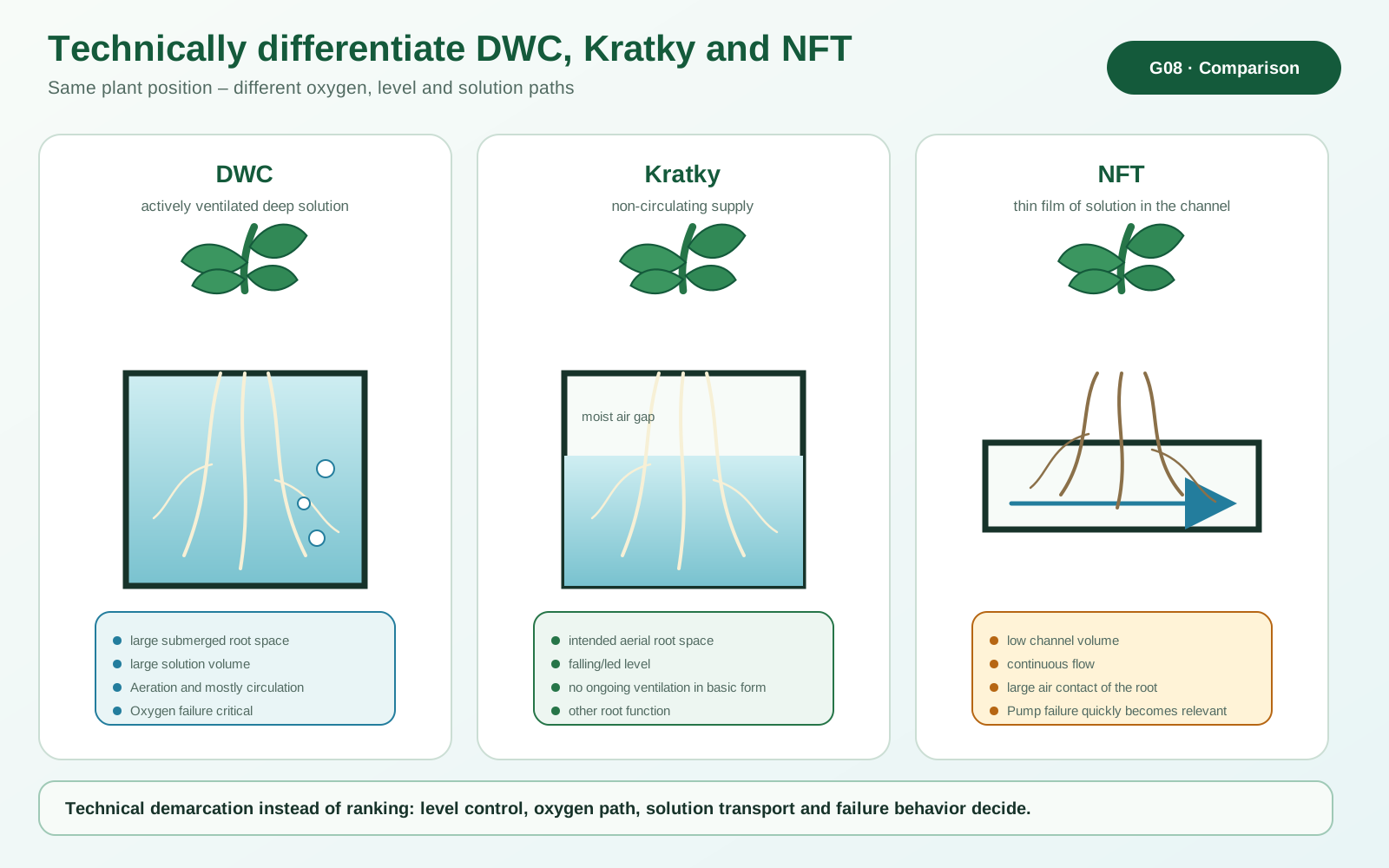
Kratsky does not use continuous solution ventilation in the basic form and develops a functional air root zone. NFT guides a thin solution film through inclined channels; A large part of the root is in contact with air. wicking systems transport solution capillary into a predominantly substrate-bound root zone.
DWC, on the other hand, keeps a large root area in actively ventilated solution. Systems are not ranked. Culture, location, operational objective, failure risk and maintenance capability determine the suitability.
Technical sources and traceability
The site bases its technical statements on university, extension and publicly accessible specialist sources. numerical ranges are used only in the relevant culture and measurement context; Test facilities are not issued as a universal building plan.
Tested sources
- Q01: Virginia Cooperative Extension Hydroponic Production of Edible Crops: Deep Water Culture (DWC) Systems. System setup, production basins, rafts, circulation, aeration and crops. Open original source
- Q02: Cornell Controlled Environment Agriculture Hydroponic Lettuce Handbook. Oxygen measurement, nutrient solution, temperature and lettuce production. Open original source
- Q03: Oklahoma State University Extension Electrical Conductivity and pH Guide for Hydroponics. Calibration, EC/pH measurement sequence and culture specific ranges. Open original source
- Q04: Virginia Cooperative Extension Hydroponic Production of Edible Crops: Management Basics. System management, DWC stability, ventilation and circulation. Open original source
- Q05: Virginia Cooperative Extension Hydroponic Production of Edible Crops: Food Safety Considerations. Raft hygiene, cleaning, disinfection and contamination routes. Open original source
- Q06: University of Minnesota Extension, Small-scale hydroponics. Root health, biofilm, hygiene and small systems. Open original source
- Q07: New Mexico State University, Hydroponics: Water-saving Farming for New Mexico's Arid Environment. DWC/DFT delimitation, solution buffers and cultures. Open original source
- Q08: Oklahoma State University Extension Hydroponics. nutrient solution regime, level management, pH and EC. Open original source
- Q09: Virginia Cooperative Extension Hydroponic Production of Edible Crops: System and Crop Comparisons. System selection, crops and pilot operations. Open original source
- Q10: Penn State Extension Hydroponics Systems and Principles of Plant Nutrition. Plant nutrition and system foundations. Open original source
- Q11: Oregon State University Extension Hydro hints: Deep water culture. DWC basic principle and practical system arrangement. Open original source
- Q12: UC Agriculture and Natural Resources, Introduction to Hydroponics. System comparison and basic components. Open original source