
Aquaponics · Fish species and system planning
10 species of fish for aquaponics
From robust tilapia to oxygen-loving rainbow trout: This practice-based selection shows which species can suit the temperature, technology, production goals and legal framework of a facility.
Arrange selection correctly
1. There is no one best aquaponic fish species
The following selection of ten brings together species that are frequently mentioned in practical guides, research, commercial systems or demonstration systems. It is not a global ranking. What is important is not awareness or growth alone, but rather the consistency of fish biology, climate, water chemistry, system performance, availability of young fish, sales and applicable law.
Biology
Temperature, oxygen requirement, social behavior, final size and susceptibility to disease set the system limits.
Technology
Tank volume, circulation, ventilation, solids separation, biofilter and emergency power must carry the highest real feed load.
Operation
Feed, young fish, market, expertise, veterinary law and biosecurity determine the actual suitability.
Important: Temperature specifications are planning ranges, not universal limits. Origin, lineage, life stage, stocking, water quality and acclimatization change the suitable area.
Quick comparison
2. Ten species at a glance
| Type of fish | Temperature orientation | Feed type | System claim | Special strength |
|---|---|---|---|---|
| Nile tilapia | Warm, around 25-30°C | Omnivore | Means | Robust and well documented |
| Carp | Moderate to warm, around 20-28°C | Omnivore | Means | Tolerant and flexible with feed |
| Koi | Temperate, around 18-26°C | Omnivore | Means | Attractive ornamental fish |
| Rainbow trout | Cool, around 12-18°C | Carnivores | High | For cool locations |
| African predatory catfish | Warm, around 25-30°C | Protein-focused | High | Rapid growth |
| Barramundi | Warm, around 26-30°C | Carnivores | High | High quality food fish |
| Jade perch | Warm, around 24-30°C | Omnivore | Medium to high | Interesting for hot water |
| Bluegill | Temperate, around 20-27°C | Insect/omnivorous | Means | Compact and adaptable |
| Largemouth bass | Moderate to warm, around 20-28°C | Carnivores | High | Well-known sport and food fish |
| Pacu | Warm, around 24-30°C | Omnivore | High | Quieter than many predatory fish |
Type 1 · common hot water standard
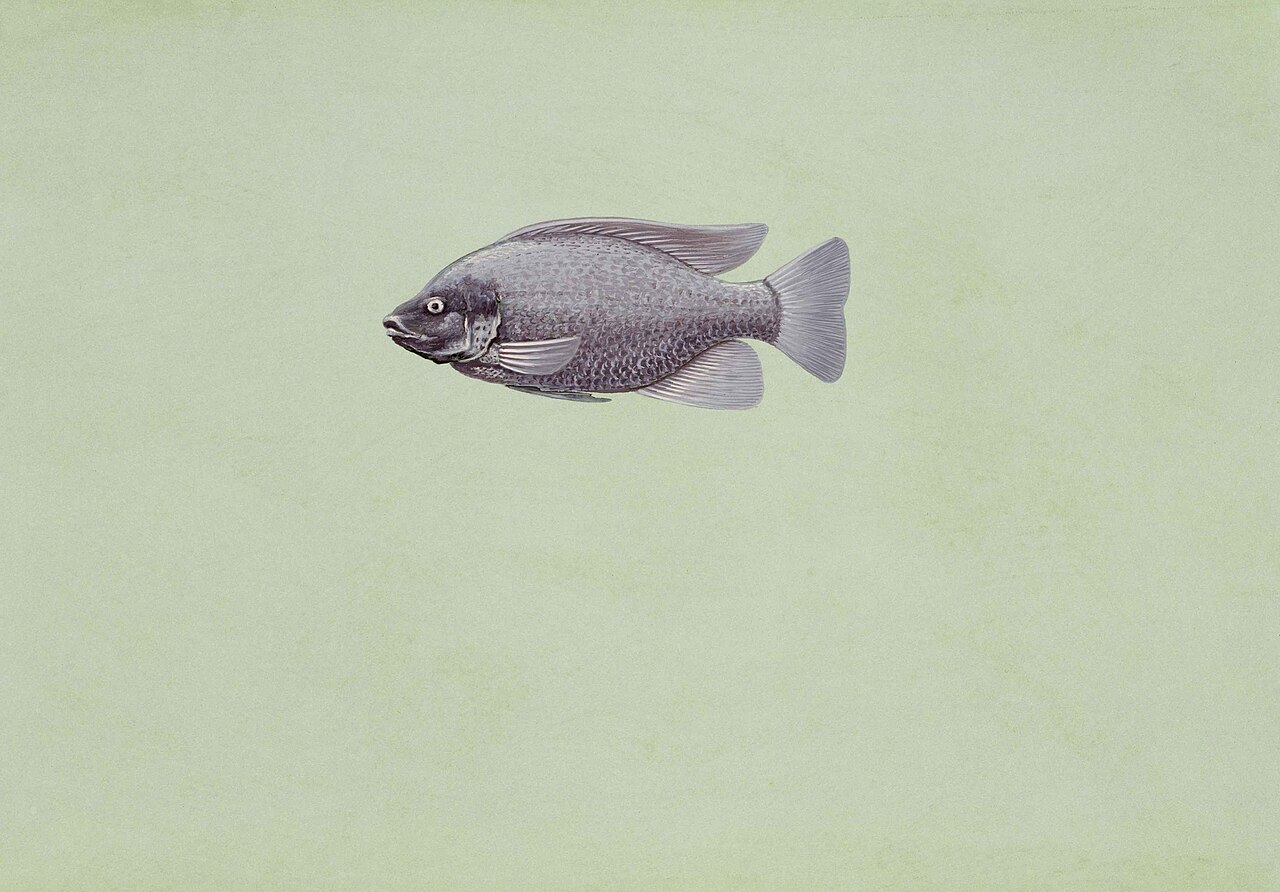

3. Nile tilapia
Oreochromis niloticus
Tilapia is the most commonly mentioned aquaponic fish group internationally. It accepts formulated feed well, grows quickly in stable warm water and is more forgiving of fluctuations than sensitive cold water species. However, robustness does not replace oxygen supply or biofilter capacity.
Suitable for: Hot water systems with reliable heat, ventilation, stock control and clarified approval.
Type 2 · robust classic
_(2)_(51222524751).jpg)
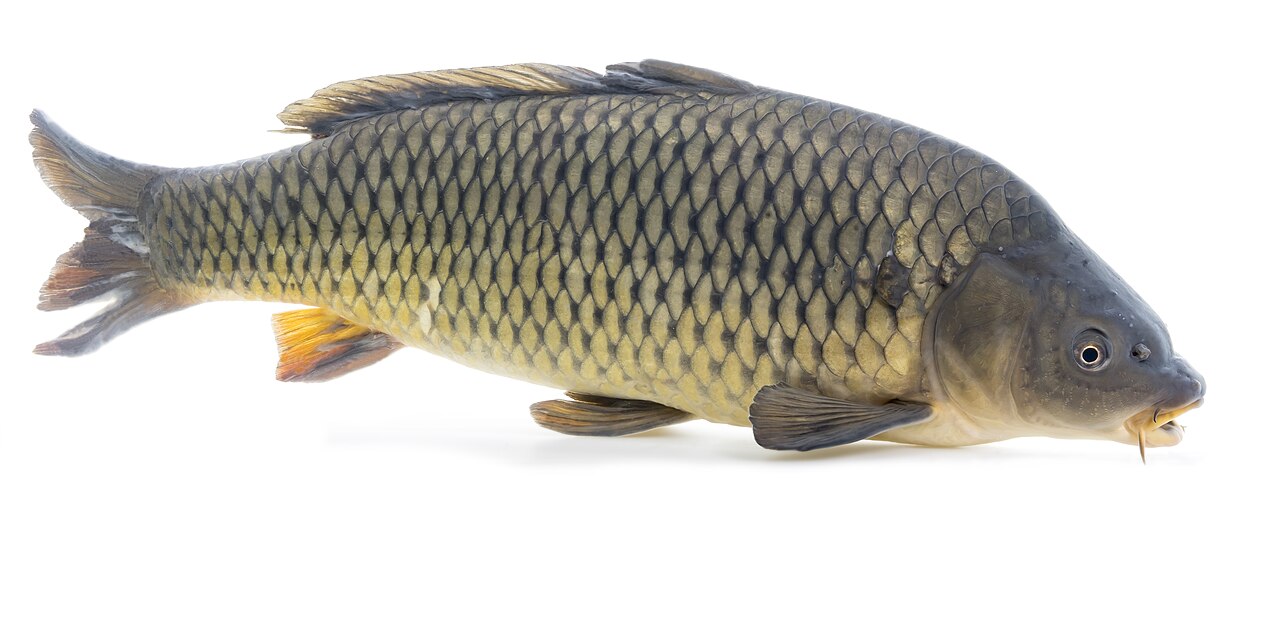
4. Carp
Cyprinus carpio
Carp combine broad temperature tolerance with a flexible diet. They are therefore suitable for temperate systems where tilapia would require too much heat. As bottom-oriented fish, they can stir up sediment; Good solids management and sufficiently deep, structured tanks remain important.
Suitable for: Moderate circulation systems with solid solids separation and a resilient marketing channel.
Type 3 · Ornamental fish instead of food fish
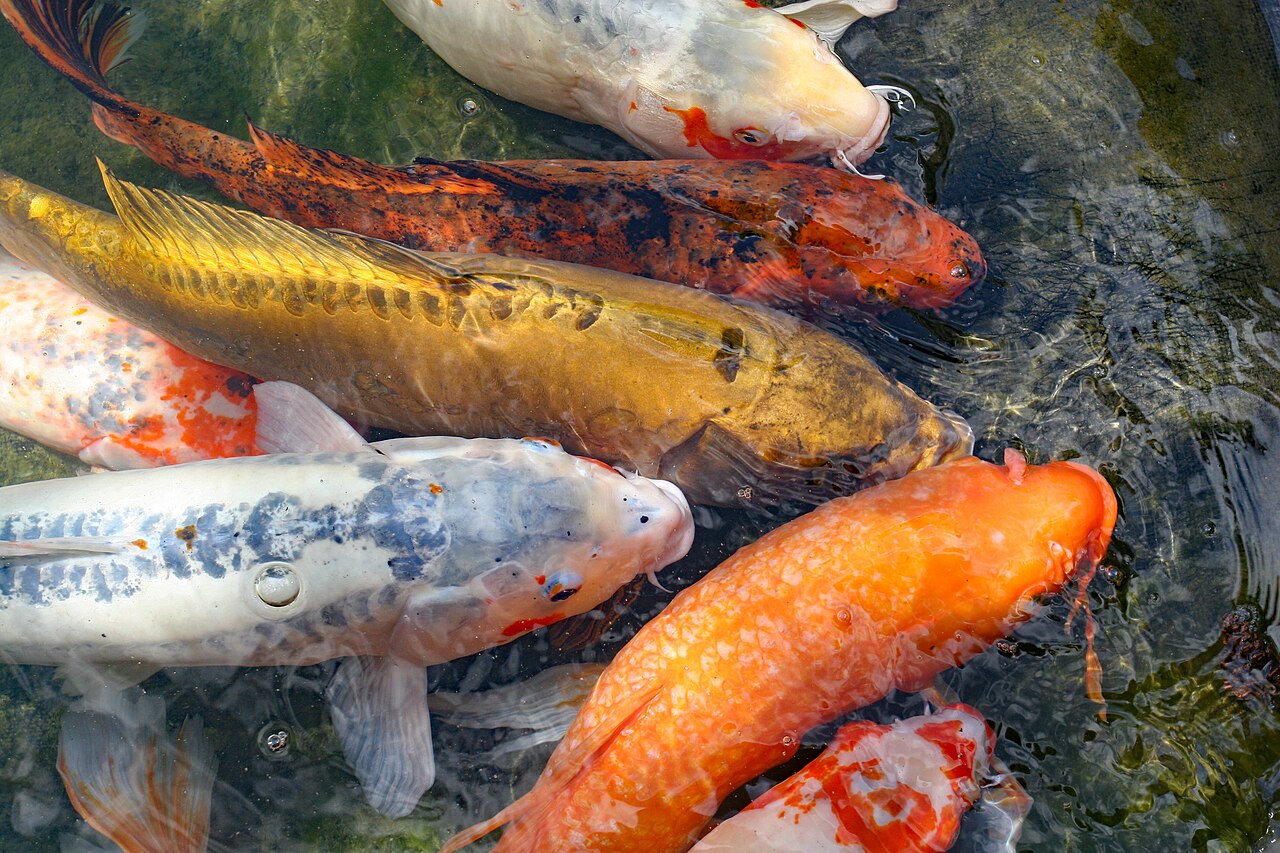

5. Koi
Cyprinus rubrofuscus
Koi are primarily used when appearance, ornamental value or educational work are more important than food fish production. Their colors make the fish area visible and at the same time the value of the individual animal increases. Water quality, quarantine and low-injury technology therefore deserve special attention.
Suitable for: Demonstration, educational and ornamental facilities with quarantine and long-term animal husbandry concept.
Type 4 · demanding cold water type
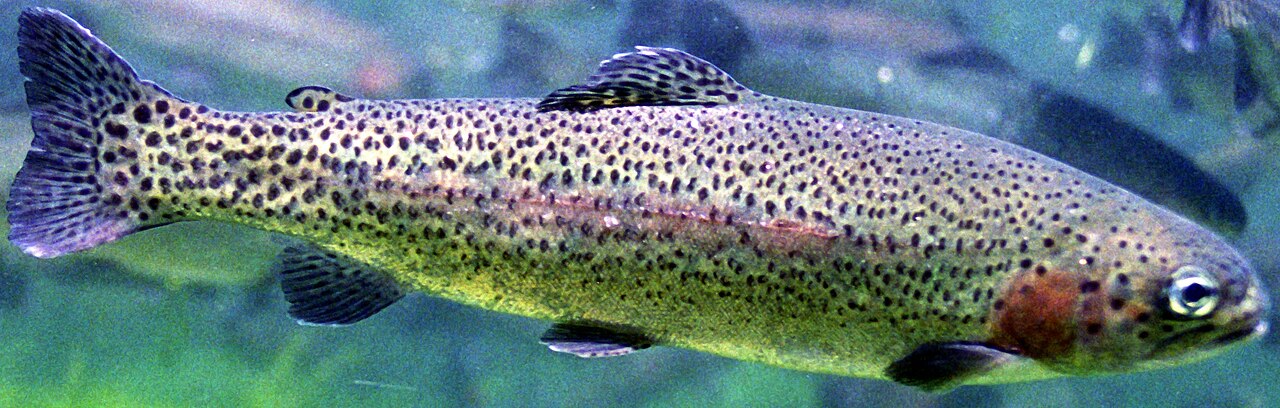

6. Rainbow trout
Oncorhynchus mykiss
Rainbow trout are predestined for cool, oxygen-rich water. They grow well when temperature, flow and oxygen remain stable, but respond quickly to failures. Their attitude is poorly suited to heat-loving crop productions and requires particularly consistent emergency planning.
Only suitable if: Cold water operation, alarming, emergency ventilation and peak load have been reliably proven.
Type 5 · powerful warm water fish
.jpg)
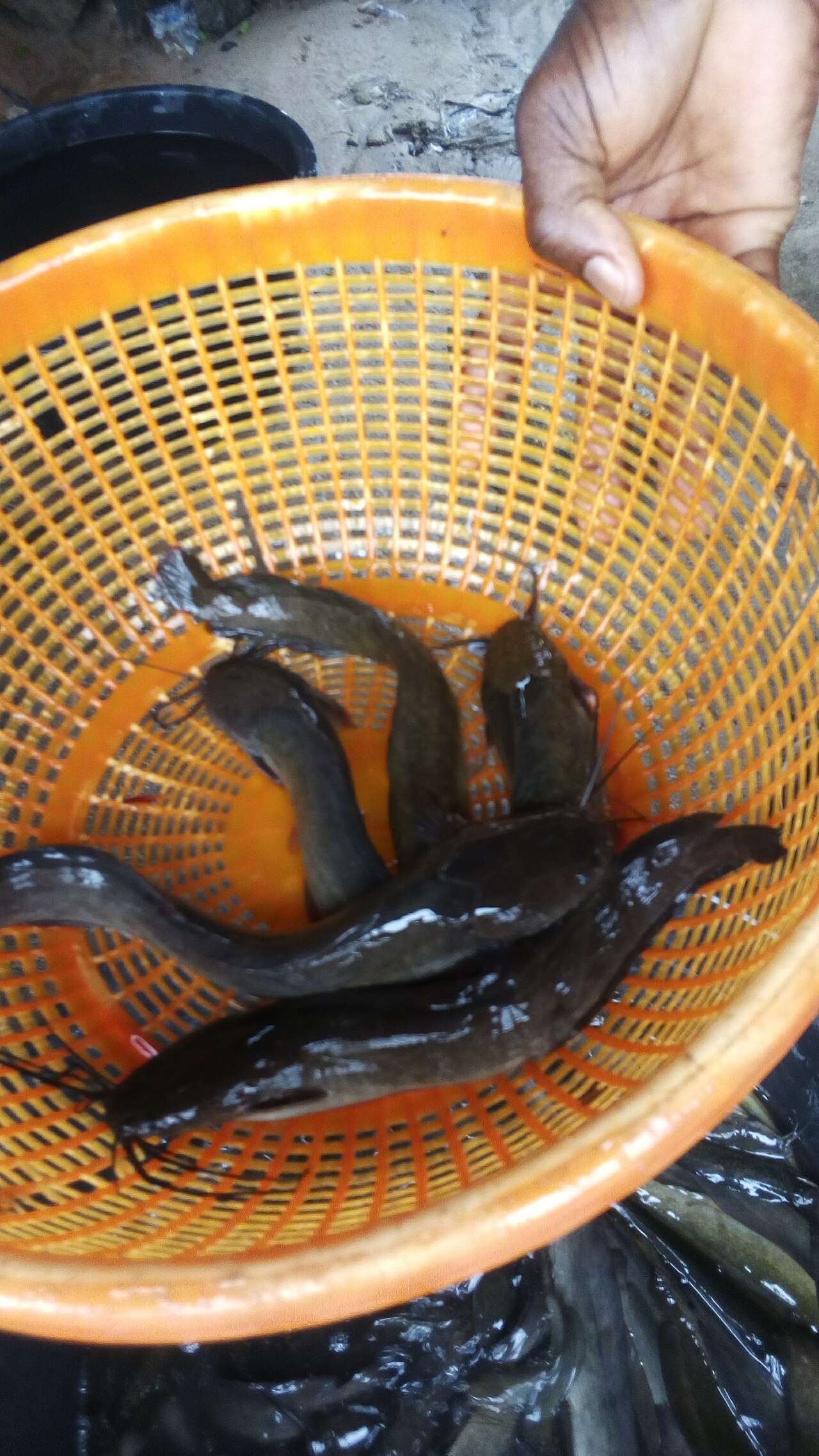
7. African catfish
Clarias gariepinus
The African catfish grows quickly in warm temperatures and can use atmospheric oxygen. However, that doesn't make it undemanding: high feed intake creates high solids, ammonium and biofilter loads. Size classes, pool coverage and safe handling are essential.
Suitable for: Professionally managed hot water systems; Check legal admissibility and expertise in advance.
Type 6 · tropical premium fish
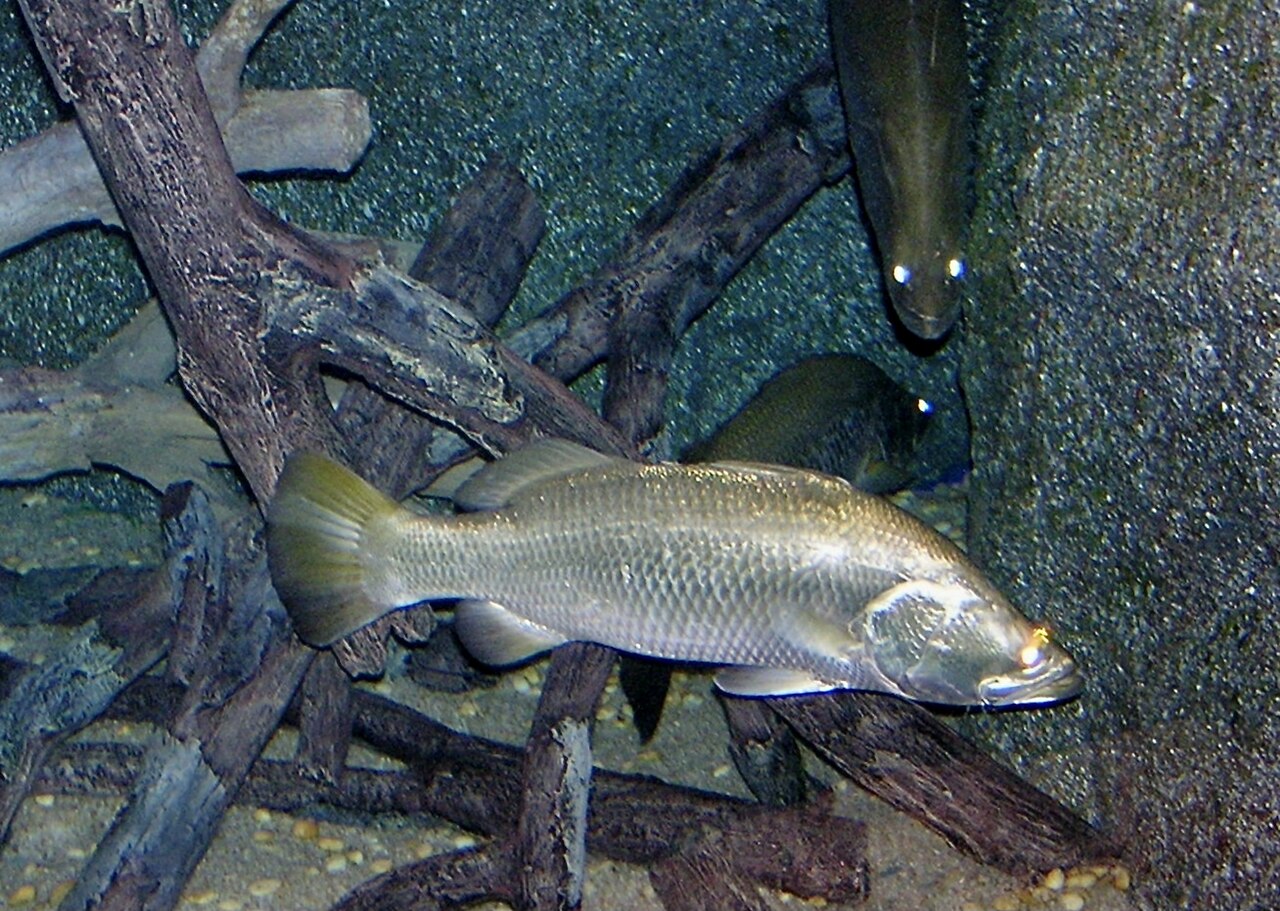

8. Barramundi
Late calcarifer
Barramundi is a fast-growing, high-quality food fish for tropical warm environments. As a predator, it needs high-energy food, lots of oxygen and consistent size management. Without regular sorting, larger animals can crowd out or eat smaller ones.
Suitable for: Larger, expertly managed hot water systems with secured sales.
Type 7 · Australian hot water option
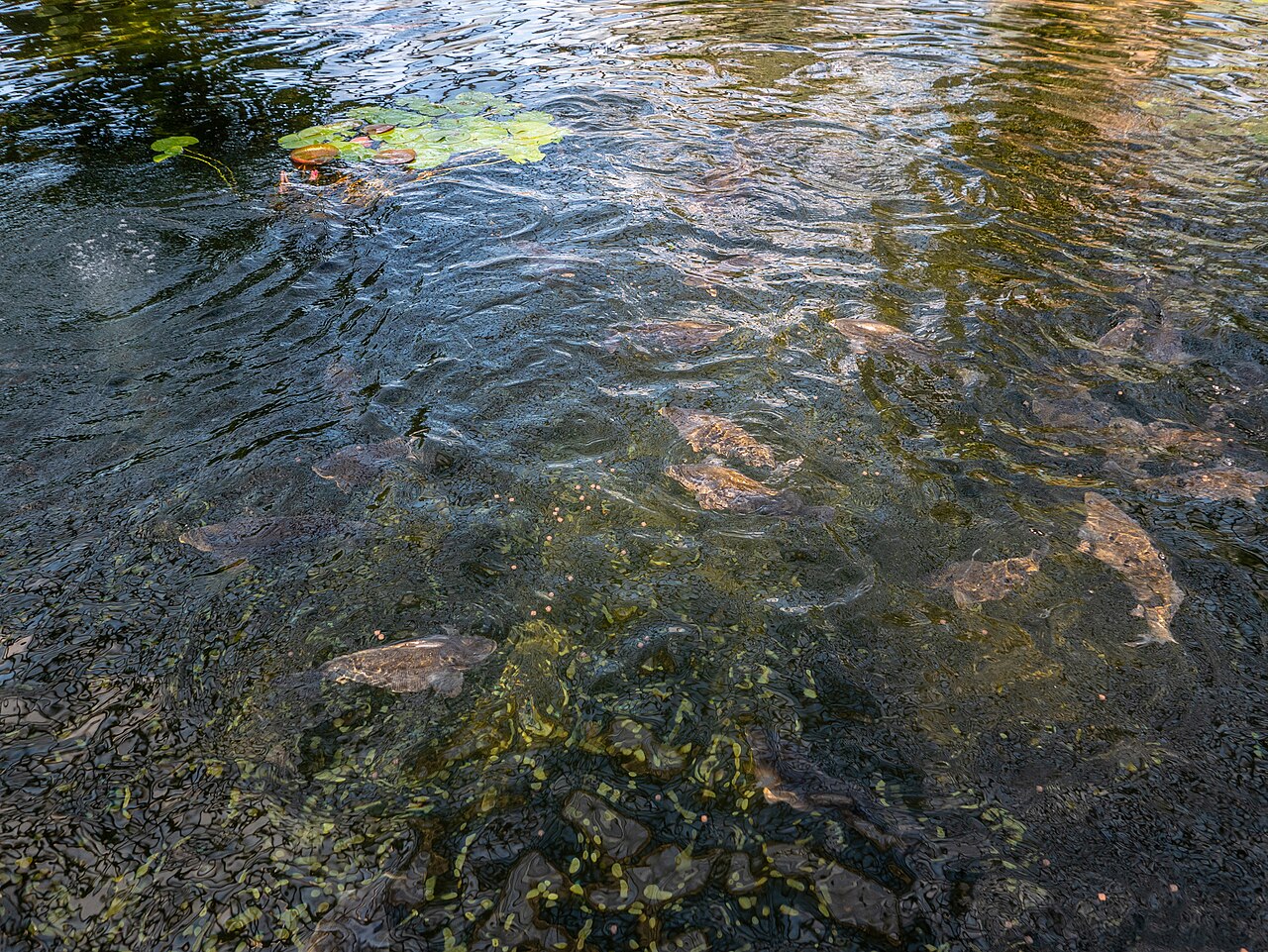

9. Jade perch
Scortum barcoo
Jade perch are mentioned in aquaponics guides as fast-growing, warm-water fish. They accept mixed feed and can be kept in groups. However, outside of their established production regions, juvenile fish, experience, marketing and legal status are often the real limitations.
Suitable for: Hot water projects that have reliably clarified origin, approval and marketing.
Type 8 · compact North American candidate
_black_background.jpg)
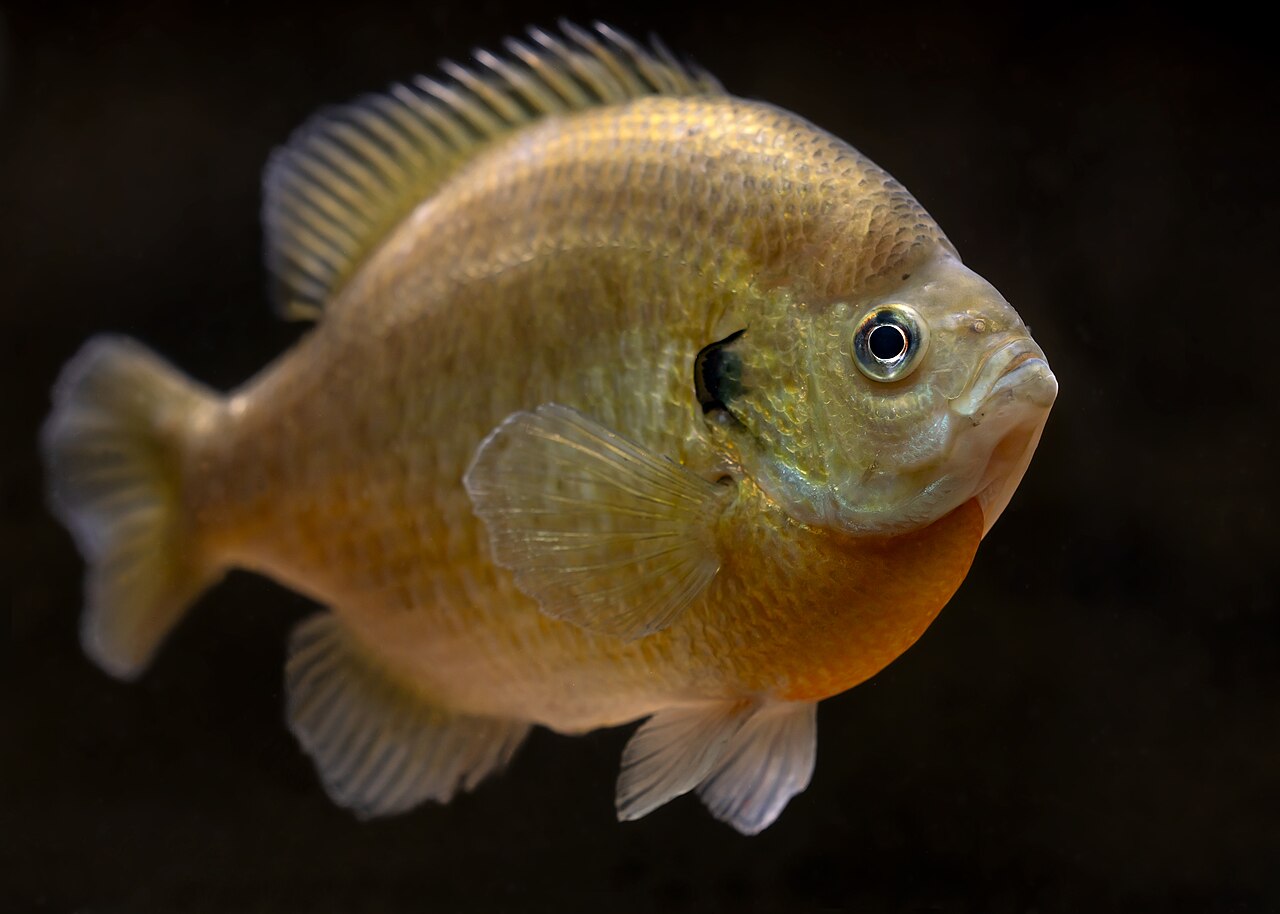
10. Sunfish (Bluegill)
Lepomis macrochirus
Bluegill is primarily used in small North American plants. The species is more compact than many food fish and eats insects and formulated food. Growth and final size are less spectacular; Reproduction and size dispersion can make inventory management difficult.
Suitable for: Teaching and special facilities, provided that keeping and procurement are regionally permissible.
Type 9 · predatory food fish
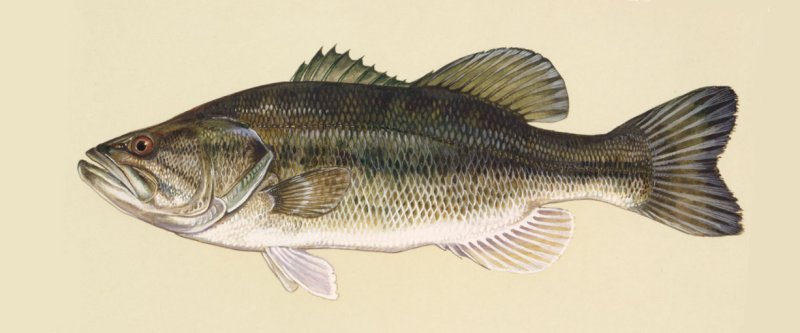

11. Largemouth bass
Micropterus salmoides
Largemouth bass are sought-after sport fish and regionally also food fish. In recirculating systems, pellet-accustomed young fish, uniform size classes and calm feed intake are crucial. As predators, they react more strongly to stocking errors and uneven growth than robust omnivores.
Suitable for: Experienced operators with reliable young fish quality and regional demand.
Species 10 · large tropical omnivore
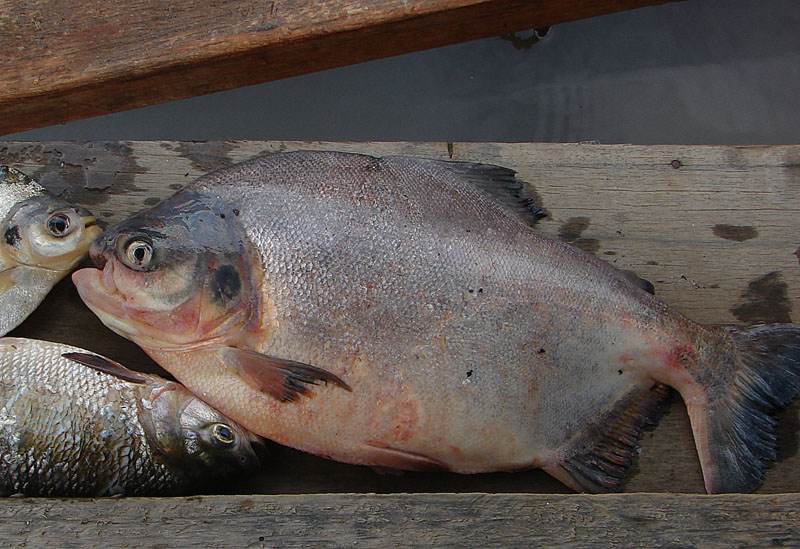

12. Pacu (Pirapitinga)
Piaractus brachypomus
Pacu is a vigorous tropical omnivore that appears in some aquaponics reviews as an alternative to predatory warm-water species. It can grow very large and needs a lot of swimming space. Its more peaceful diet must not obscure its final size, feed load and legal risks.
Only suitable if: Space, warmth, approval and a responsible stay until the final size is secured.
Secure selection
13. Decision, law and specialist sources
A fish species only becomes a suitable aquaponics species when the company can safely manage its highest real biomass and feed load, even in heat, cold, pump failure or low plant intake. Before purchasing, proof of origin, animal health, transport, husbandry, slaughter, food law and regulations on non-native or invasive species must be checked.
For beginners
Do not choose the most tolerant species, but rather the species whose temperature and supply are permanently secure at the location.
For food fish
Organize sales, slaughter, cold chain and documentation before the first stocking.
For ornamental fish
Long-term keeping, quarantine and high individual value change priorities.
Specialist sources
- FAO: Small-scale aquaponic food production.
- FAO: Advancing aquaponics – technical and policy considerations.
- Oklahoma State University Extension: Aquaponics.
- Oklahoma State University Extension: Aquaponics – integrating fish and crop production.
Application note: The site does not replace species-specific planning, approval review or veterinary advice. Guideline values must be compared with fish species, line, life stage, stocking, feed, water source, measurement method, animal welfare and applicable law.