
CHAPTER 01 · 19 ARTICLES
Nutritional Physiology and Metabolism
Biochemical principles, energy supply, digestive processes and how the human body functions.
Macronutrients and Calorie Requirements
Physiological principles, calculation methods and practical implementation

Dietary Fibre
Biochemical classification, physiological mechanisms of action and preventive relevance

Dietary Fats
Biochemical classification, physiological functions and evidence-based intake recommendations

Energy Balance and Macronutrient Distribution
A scientific method for calculating individual calorie requirements

Calorie Balance
Thermodynamic principles of weight regulation and their practical application

Antioxidants
Biochemical mechanisms of action, cellular protection and the importance of plant-derived free-radical scavengers

Lipids in Human Nutrition
Physiological functions, biochemical classification and strategies for optimising the fatty-acid profile

Fat Oxidation and Fat Loss
Biochemical distinctions, the role of calorie balance and practical implications
Omega-3 and Omega-6 Fatty Acids
Biochemical antagonists, cellular integration and strategies for optimising the fatty-acid profile

Metabolism and Genetics
A scientific deconstruction of the “hardgainer” and “softgainer” myths
Glycaemic Index and Glycaemic Load
Physiological assessment of carbohydrates and their effect on blood-glucose metabolism

Lipid Metabolism and Dietary Fats
Cellular functions, fatty-acid classification and hormonal regulation
Cholesterol
Physiological necessity, lipoprotein dynamics and the influence of plant-based nutrition on cardiovascular risk
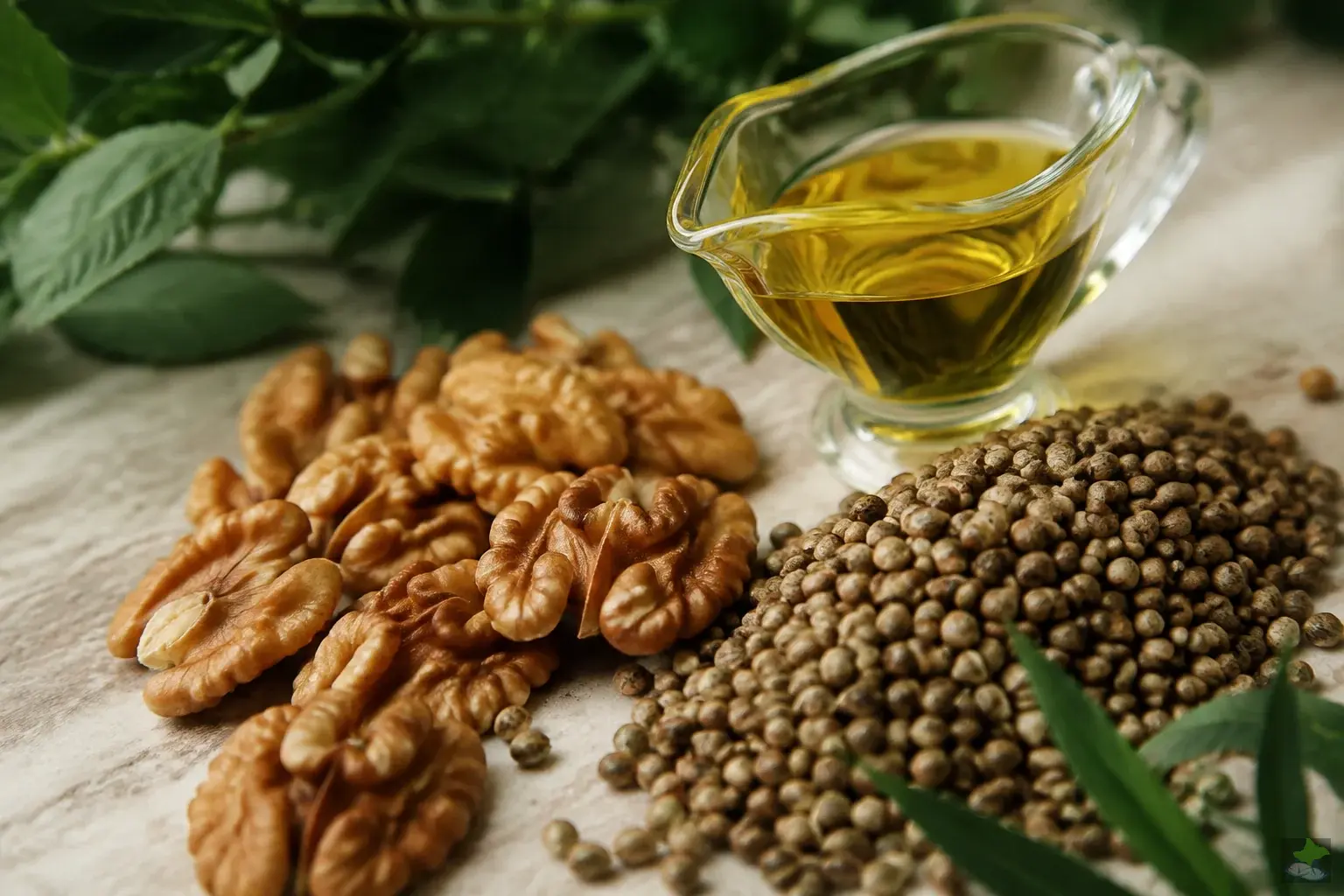
Omega-3 and Omega-6 Fatty Acids
Molecular competition in the cell membrane and strategies for restoring physiological balance
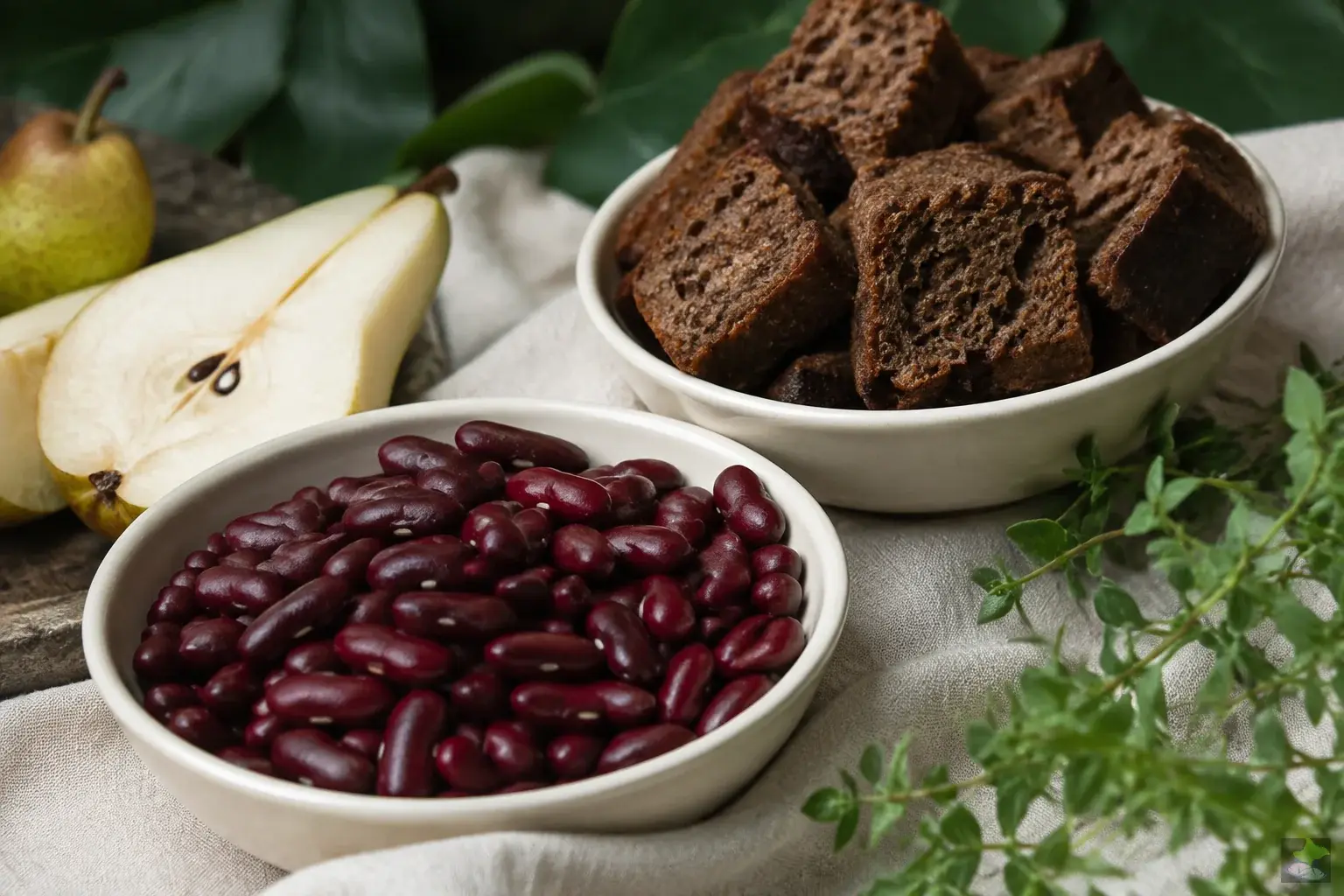
Dietary Fibre
Biochemical classification, gastrointestinal mechanisms of action and its role in preventive nutritional medicine

Antioxidant Capacity and Cellular Protection
The biochemistry of free radicals and optimisation of phytochemicals through vertical farming

Protein Metabolism
Physiological mechanisms, enzymatic cascades and clinical relevance

Natural Metabolic Modulators
Nutritional strategies for optimising metabolic activity

Hydration and Cellular Osmoregulation
The physiological dimension of fluid balance and its importance for human metabolism