
Healthy Eating with Fresh Regional Foods
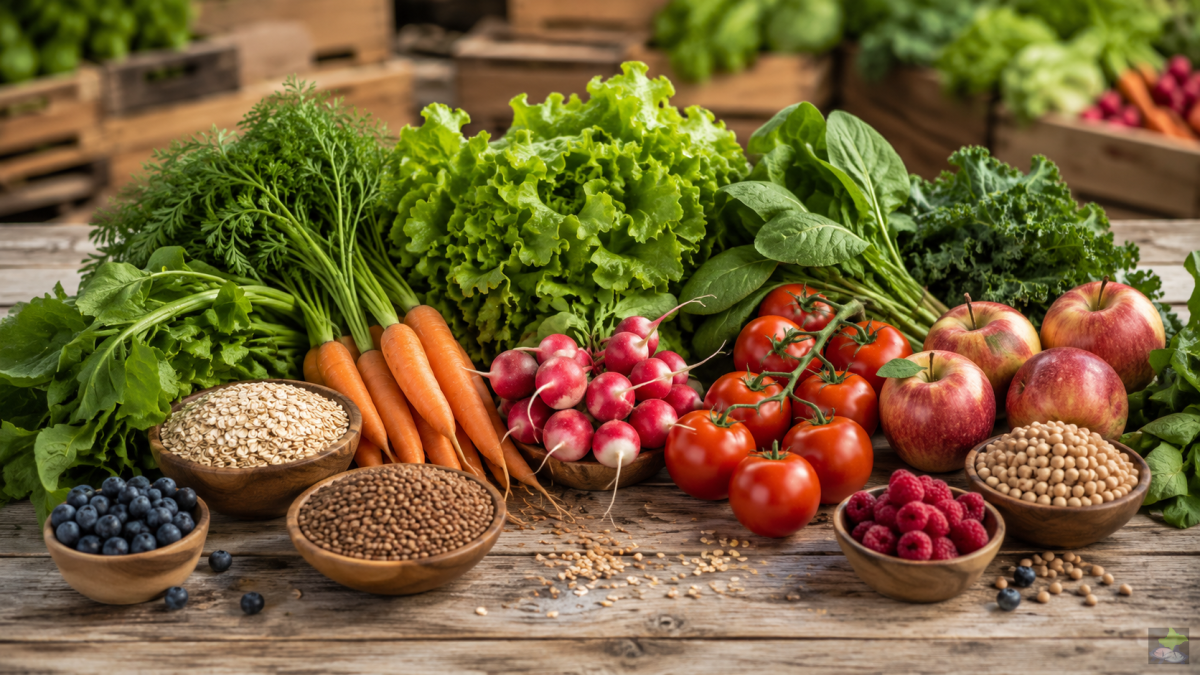
Fresh regional foods can promote flavour, transparency and varied cooking. A healthy diet, however, does not result automatically from short transport distances or growing your own food. What matters is the overall dietary pattern: plenty of variety, predominantly plant-based foods, appropriate quantities and preparation that suits everyday life and individual circumstances.
Guidance rather than promises of a cure: No single food makes a diet healthy. Effects arise from selection, frequency, quantity, preparation and long-term habits.
What Does a Balanced Diet Mean?
Balanced does not mean calculating an exact daily target for every nutrient. Adequate intake over time is what matters. Food groups complement one another: vegetables and fruit provide vitamins, minerals, fibre and phytochemicals, among other things; whole grains and pulses also contribute complex carbohydrates and plant protein; nuts and plant oils primarily provide fats and other nutrients.
Enjoyment, tolerance, social habits, budget and available time are also part of reality. A theoretically perfect meal plan that does not work in daily life is less valuable than a simple pattern that can be sustained.
Current Recommendations from the German Nutrition Society
The German Nutrition Society emphasises a predominantly plant-based dietary pattern. Water is the preferred drink. Vegetables and fruit should be plentiful and colourful; pulses and nuts should be eaten regularly, cereals preferably as whole grains, and fats mainly in the form of plant oils.
Animal foods can complement the selection, while meat and processed meat and products high in sugar, salt or fat should play a smaller role. The German Nutrition Society recommendations on eating and drinking well combine health and environmental considerations.
Plant Diversity as the Foundation
Why variety matters more than a peak value
Nutrient content varies with species, cultivar, soil or nutrient solution, ripeness, light, weather, storage and preparation. A particularly high individual value therefore does not automatically make one food superior. A broad selection spreads opportunities and risks and supplies different fibres and plant compounds.
Colours as practical guidance
Green leaves, orange roots, red tomatoes, purple cabbage and pale pulses differ in their composition. Colour is not a complete nutrient test, but it is a useful kitchen rule: regularly eating different colours, species and plant parts generally provides more variety than always choosing the same side dish.
Vegetables and fruit: plentiful and colourful
Vegetables can be eaten raw and cooked. Fruit adds variety but, on average, contains more natural sugars and has a higher energy density than many vegetables. Juices and smoothies are not fully equivalent to whole fruit because their structure, satiety and speed of consumption differ.
The German Nutrition Society recommends at least five portions of vegetables and fruit a day and emphasises seasonal, colourful choices. Your own hand provides a practical estimate of one portion. The main objective remains actually increasing the share in everyday meals rather than debating individual optimal varieties.
Include pulses regularly
Lentils, beans, chickpeas and peas provide plant protein, starch, fibre and various micronutrients. They can be used in soups, salads, spreads, patties and sauces. People who currently eat few pulses can increase the amount gradually and observe their personal tolerance.
Depending on the type, dried pulses must be soaked and cooked adequately. Raw green beans are not suitable for consumption. Precooked products from jars or tins make getting started easier; rinsing can remove excess brine and some salt.
Whole grains, potatoes and other starchy foods
Whole-grain products contain more parts of the grain than refined-flour products and therefore generally provide more fibre and micronutrients. Oats, wholemeal bread, brown rice, whole-grain pasta and other grains add variety. Potatoes are a separate staple food and are not a vegetable portion in the strict dietary sense.
The appropriate amount depends on energy needs, physical activity, the overall recipe and personal goals. There is no need either to avoid carbohydrates categorically or to base every meal on a large starchy side.
Nuts, seeds and plant oils
Nuts and seeds provide energy-rich fats, protein, fibre and various micronutrients. Small regular amounts can be included in muesli, salads and spreads or eaten as a snack. Unsalted and unsweetened versions make it easier to control additional ingredients.
Rapeseed, walnut, linseed and olive oils have different fatty-acid profiles and culinary properties. Not every oil is suitable for high temperatures. Follow storage, light-protection and manufacturer guidance, particularly for sensitive cold-pressed oils.
Combine Protein Sources Sensibly
More than meat or protein powder
Protein comes from many foods. Pulses, grains, nuts, seeds, dairy products, eggs, fish and meat contribute according to the chosen diet. Plant sources do not necessarily have to be combined perfectly in each individual meal; for most healthy adults, a varied selection throughout the day is practical.
Individual requirements
Age, body weight, activity, pregnancy, breastfeeding, illness and recovery can change requirements. Anyone following a highly restricted diet or living with a medical condition should not plan solely from general figures found online, but seek qualified nutrition advice or medical support.
What “Regional” Actually Means
“Regional” is not defined consistently everywhere. It may refer to a district, federal state or larger economic area. Raw-material origin, processing and packaging may also take place in different locations. Specific information such as the producer, place of cultivation and place of processing is therefore more meaningful than a landscape image on the packaging.
Regional marketing can support local businesses, create personal relationships and make supply chains easier to understand. It does not automatically prove organic quality, fair working conditions, better nutritional value or low environmental impact.
Seasonal and Regional Belong Together
Field-grown vegetables in their main season often require less technical energy than the same crop from a heated greenhouse out of season. Long refrigerated storage, heated cultivation, air freight and losses along the chain also affect the footprint. Distance alone is therefore insufficient for an environmental assessment.
The German Federal Centre for Nutrition seasonal calendar helps identify typical harvest periods. Modern storage and cultivation technology extend availability, so “from Germany” does not automatically mean “fresh from the field”.
Freshness, Ripeness and Nutrient Content
Freshness cannot be reduced to hours
Sensitive vitamins and plant compounds can decline through light, oxygen, heat, cutting and prolonged storage. At the same time, initial values differ considerably. A regionally produced item harvested ripe may have advantages, but this does not guarantee that every regional food contains more nutrients than every imported product.
Frozen food is not second-class
Vegetables processed and frozen soon after harvest can be a useful alternative. They remain available for a long time, are easy to portion and can reduce waste when planned well. Products with sauces or seasoning must be assessed from their ingredient list; plain frozen vegetables are flexible.
Put Home-Grown Food into Perspective
Vegetables from a garden, aquaponic or hydroponic system bring people closer to production. Cultivar, harvest time, crop protection, fertilisation or nutrient solution, and water quality are traceable when cultivation is documented. This control can improve quality and appreciation.
Home-grown does not automatically mean residue-free, pathogen-free or richer in nutrients. Unsuitable inputs, contaminated water, animal faeces, inappropriate materials or poor hygiene can create risks. Production and the kitchen both require clear standards.
The Limits of Self-Sufficiency
A garden or indoor system often supplies lettuce, herbs, tomatoes, cucumbers and seasonal vegetables, but rarely the entire dietary spectrum. Whole grains, pulses, nuts, oils, iodised salt and, depending on the diet, animal-derived or fortified products remain important additions.
The home harvest should therefore be understood as a valuable component, not as proof of complete provision. A system can produce large amounts of one item and still be nutritionally unbalanced.
A Practical Plate Model
As a practical guide, a large part of the plate can consist of vegetables or salad. Another component supplies protein and another whole grains, potatoes or a comparable starchy food. Some plant oil, nuts or seeds add fat and flavour. The exact proportions must be adapted to the person and meal.
- Vegetable component: raw, steamed, fried or roasted.
- Protein source: pulses, tofu, egg, dairy product, fish or another suitable source.
- Starchy component: whole grains, bread, pasta, rice or potatoes.
- Fat and flavour: plant oil, nuts, seeds and fresh herbs.
- Drink: preferably water or an unsweetened drink.
Breakfast, Main Meals and Snacks
Breakfast
Wholemeal bread or oats can be combined with fruit or vegetables and a protein source. Not everyone has to eat breakfast, but those who do can compose it deliberately rather than making it exclusively sweet.
Main meals
A vegetable stir-fry with pulses and whole grains, potatoes with herb quark and salad, or a bean stew are simple basic patterns. Changing the seasonal vegetables varies the dish without requiring entirely new recipes every week.
Snacks
Fruit, vegetables with dip, unsalted nuts or plain yoghurt can be suitable depending on need. Snacks are not compulsory. They should respond to hunger and the daily routine rather than being eaten automatically in addition to adequately sized main meals.
Weekly Planning Without a Rigid Diet
Planning begins with available food and appointments. Delicate produce is used first and robust produce later. Two or three flexible basic dishes are often more realistic than seven entirely different menus.
- Note produce ready to harvest and existing supplies.
- Spread several vegetable colours across the week.
- Schedule pulses on fixed days.
- Keep whole-grain options and suitable protein sources available.
- Deliberately plan leftovers for the next meal.
- Keep a frozen or store-cupboard option for stressful days.
Preserve Nutrients Through Storage and Preparation
Cool, dark and as brief as possible
Not every vegetable belongs in the refrigerator, but heat, light and prolonged storage accelerate quality loss in many products. Whole produce is generally more stable than cut produce. Store according to the species and buy or harvest quantities that will actually be used.
Cook gently without idealising raw food
Short cooking times and little water can preserve water-soluble compounds. Conversely, cooking improves digestibility or the availability of certain compounds in some foods and increases microbiological safety. A mixture of suitable raw foods and cooked components is practical.
Food Safety Remains Essential
Regional origin and home cultivation do not replace kitchen hygiene. Wash vegetables, fruit and fresh herbs carefully under running drinking water before preparation or raw consumption. Keep unclean harvest containers away from clean work surfaces.
Particularly vulnerable people may need additional caution. The German Federal Institute for Risk Assessment provides information about cross-contamination, refrigeration, heating and specific risk groups.
Supplements: Targeted, Not Routine
Vitamin and mineral supplements do not replace a varied dietary pattern. High doses can cause adverse effects or interactions. A possible deficiency should not be inferred solely from non-specific symptoms or advertising.
In certain life stages or dietary patterns, targeted supplementation is professionally recommended or necessary. Examples require individual assessment. Qualified advice is appropriate during pregnancy, illness, medication use, a vegan diet or a diagnosed deficiency.
Consider Particular Life Stages
Children and adolescents
Growth, body size and activity alter requirements. Regular meals, varied foods and a relaxed learning environment matter more than moral categories such as “good” and “bad”. Choking risks and food safety must be considered in an age-appropriate way.
Older people
Energy requirements may fall while adequate protein and micronutrient intake remain important. Appetite, ability to chew, medication, loneliness and physical limitations affect diet. Nutrient-dense, easy-to-eat meals and regular drinking deserve particular attention.
Illnesses and intolerances
General dietary recommendations do not replace medical nutrition therapy. Kidney, metabolic or gastrointestinal diseases, allergies and other diagnoses may require adaptations. Unnecessary self-restriction, by contrast, increases the risk of an unbalanced diet.
Assess Regionality and Sustainability Realistically
A plant-forward selection, seasonal field production, low food losses and appropriate portion sizes are important levers. Transport distance is only one part of environmental impact. Production system, heating, storage, processing, packaging and shopping transport also count.
The German Federal Centre for Nutrition information on seasonal shopping notes that field-grown produce in the main season can be particularly advantageous, while energy-intensive cultivation and storage methods change the balance.
Avoid Food Waste
Food provides a benefit only if it is eaten. Incorrect storage, excessive shopping and rigid recipe planning cause fresh produce to spoil. Plan delicate items first and freeze or process foreseeable surpluses in time.
Cosmetic defects do not automatically indicate spoilage. Mould, slime, rot or unusual fermentation, however, mark safety limits. Cool leftovers promptly, package them cleanly and reheat them appropriately.
Common Nutrition Myths
- “Regional is always healthier”: Origin alone does not determine nutritional value.
- “Fresh is always better than frozen”: Harvesting, processing and storage time affect the comparison.
- “A superfood compensates for a poor diet”: The overall pattern is decisive.
- “Carbohydrates are inherently unhealthy”: The type of food, processing and quantity are decisive.
- “Plant-based automatically means balanced”: A plant-based diet can also be unbalanced.
- “More vitamins always help more”: Overdoses can cause harm.
A Simple Starting Plan
- Record food and drinks for one week without judgement.
- Gradually increase the variety of vegetables and fruit.
- Add one regular meal containing pulses.
- Choose whole-grain bread, rice or pasta more often.
- Make water available as the standard drink.
- Buy regional seasonal produce purposefully rather than exclusively.
- Change and assess only one habit at a time.
Conclusion: Proximity Creates Opportunities, Variety Creates Balance
Fresh regional foods can offer short supply chains, good flavour, seasonal variety and a direct relationship with production. Their health effects, however, arise only as part of a varied, predominantly plant-based diet tailored to individual needs.
Home-grown produce from a garden, aquaponic or hydroponic system is a valuable component. Combined with pulses, whole grains, nuts, suitable oils and other necessary foods, it supports a robust dietary pattern—without superfood myths or false promises of completeness.
Further Technical Sources
- German Nutrition Society: Eating and drinking well
- German Nutrition Society: The nutrition circle
- German Nutrition Society: Questions about food-based dietary guidelines
- German Federal Centre for Nutrition: Seasonal calendar
- German Federal Centre for Nutrition: Buying regional food
- German Federal Institute for Risk Assessment: Preventing foodborne infections