
CHAPTER 01 · 6 MIN READ
Glycaemic Index and Glycaemic Load
Physiological Assessment of Carbohydrates and Their Effects on Blood-Glucose Metabolism
Section: Health | Vida Vertical
Summary
Postprandial blood-glucose regulation is relevant to metabolic health and type 2 diabetes management and prevention. The glycaemic index (GI) describes the response to a fixed amount of available carbohydrate but has important limitations in everyday planning. Glycaemic load (GL) adds the amount of available carbohydrate in a serving. This article explains both concepts, compares them using food examples and considers how vegetables and herbs from hydroponic or aquaponic systems can contribute low-GL foods to a varied diet.
1. Introduction: The Metabolic Relevance of Blood-Glucose Regulation
Carbohydrate is the macronutrient with the most direct effect on post-meal blood glucose. Digestible carbohydrates are broken down mainly into monosaccharides and absorbed. Repeatedly elevated glucose exposure is associated with metabolic risk, but insulin release is a normal physiological response and disease cannot be attributed to “insulin spikes” alone.
The glycaemic index and, later, glycaemic load were developed to compare carbohydrate-containing foods and provide one possible guide for diabetes care and dietary planning.
2. The Glycaemic Index (GI): Method and Limitations
The glycaemic index is a relative measure of the incremental blood-glucose response after a portion of a test food containing 50 grams of available carbohydrate, compared with the response to 50 grams of glucose (reference value 100). Standard testing measures the area under the glucose-response curve over two hours in fasting participants.
Foods are commonly classified by GI as follows:
- High GI: > 70 (for example white bread and some cooked potatoes; values vary by variety and preparation)
- Medium GI: 55–70 (for example some pineapple or banana varieties)
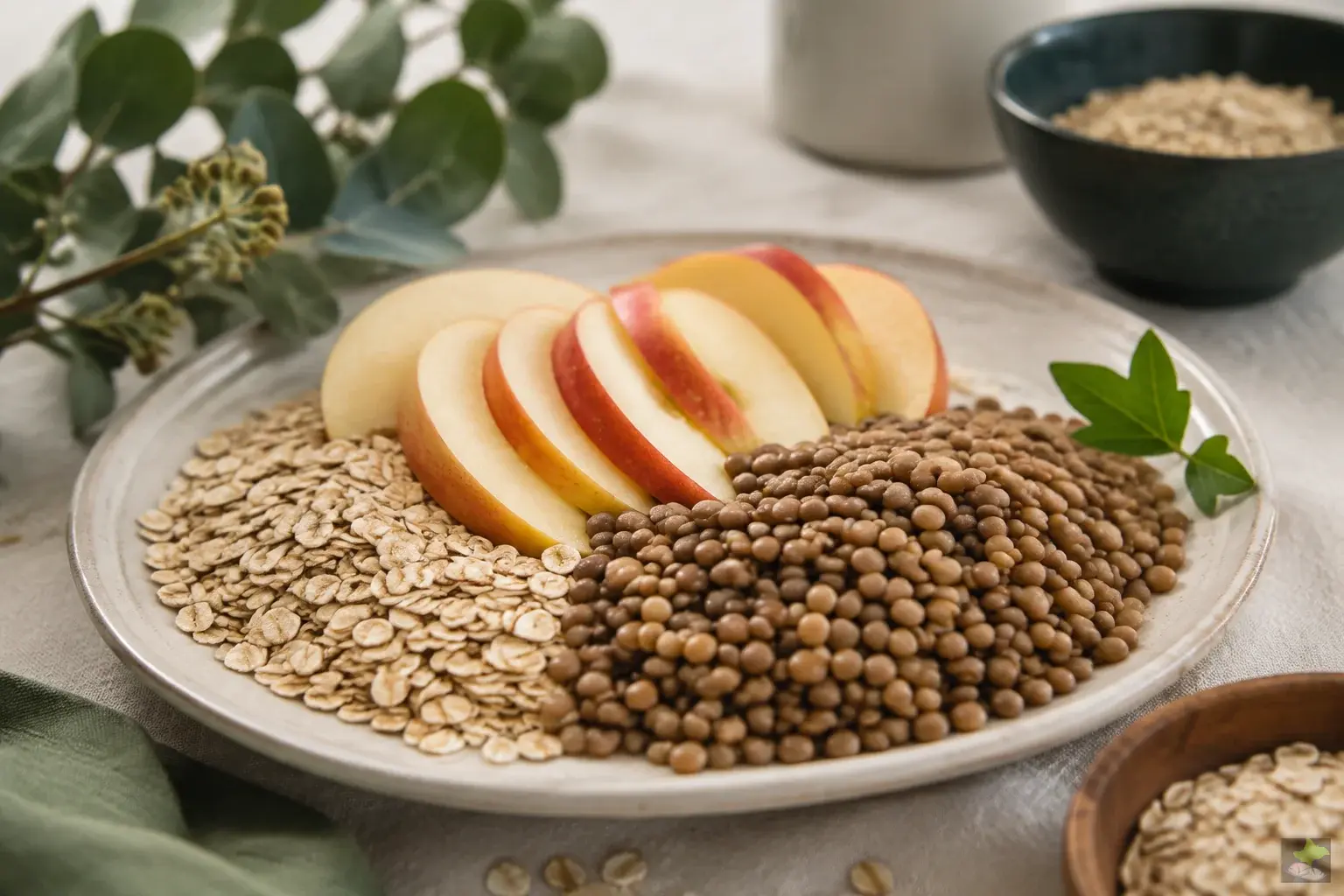
- Low GI: < 55 (for example lentils, cashews and unsweetened natural yoghurt)
2.1 Limitations of GI
GI evaluates a standard amount of available carbohydrate rather than the amount of food people usually eat. It also varies between individuals and with ripeness, processing, cooking and meal composition.
Watermelon illustrates the portion-size issue. Published GI estimates are often moderate to high, yet watermelon is mostly water and contains only about 8 grams of carbohydrate per 100 grams. A person would need to eat well over 600 grams to obtain the 50 grams of carbohydrate used in GI testing.
3. Glycaemic Load (GL): Adding Portion Size
Glycaemic load combines GI with the amount of available carbohydrate in a specified serving. It therefore reflects both carbohydrate quality and quantity; it is not normally restricted to a 100-gram portion.
3.1 Calculating Glycaemic Load
The formula is:
GL = (glycaemic index × grams of available carbohydrate in the serving) / 100
3.2 Illustration: Watermelon Versus White Bread
Using 100-gram portions and the values shown below gives a clear illustrative contrast, although databases and products vary:
- Watermelon: GI 80, approximately 8 g carbohydrate per 100 g. GL = (80 × 8) / 100 = 6.4 (low glycaemic load)
- White Bread: GI 75, approximately 49 g carbohydrate per 100 g. GL = (75 × 49) / 100 = 36.75 (very high glycaemic load for that 100-g portion)
GL shows why a normal amount of a water-rich fruit can have a lower glucose impact than a carbohydrate-dense serving of white bread, despite its GI. It is useful context, but it does not precisely predict an individual response or replace attention to overall diet and serving size.
4. Physiological Relevance and Sporting Contexts
Lower-GI or lower-GL choices can help some people manage post-meal glucose and may support diabetes care when incorporated into an appropriate overall diet. They do not automatically prevent insulin resistance, cravings or glycation-related harm, and high-GI foods are not inherently unhealthy.
Higher-GL foods can also have practical uses:
- Endurance Exercise: During prolonged exercise, readily digested carbohydrate may provide useful energy and can be easier to tolerate than fibre-rich foods. Individual gastrointestinal tolerance and event duration determine the strategy.
- Post-Exercise Nutrition: After strenuous endurance or repeated training, carbohydrate supports glycogen replenishment. Rapidly absorbed sources may be useful when recovery time is short; insulin response and protein intake can support recovery, but high GL is not mandatory after every workout.
GI and GL also change with preparation and food structure. Cooking can gelatinise potato starch and increase digestibility, while cooling creates some resistant starch. The magnitude varies, and reheating does not necessarily erase the entire effect.
5. Relevance to Vida Vertical: Low-GL Foods From Hydroponic Cultivation
Controlled soilless systems can provide fresh vegetables and herbs with little available carbohydrate. Their value comes from the crop itself and the overall meal—not from hydroponics uniquely stabilising blood glucose:
1. Fibre-Rich, Water-Rich Plant FoodsLeafy vegetables and suitable brassicas grown hydroponically have low energy and available-carbohydrate density. Their fibre and volume can slow meal consumption and, as part of a mixed meal, may moderate the glucose response. They still contain small amounts of digestible carbohydrate and should not be described as consisting almost entirely of indigestible fibre.
2. Herbs as Flavour and Phytochemical SourcesFresh culinary herbs, including oregano, can add flavour without much carbohydrate. Cinnamon and fenugreek are different crops and evidence for clinically meaningful improvements in insulin sensitivity is inconsistent; herbs should not replace medical treatment.
3. Microgreens: Low-Carbohydrate VarietyMicrogreens can provide vitamins, minerals, phytochemicals and culinary variety with little available carbohydrate. Nutrient density varies by species and growing conditions, and they are not uniquely “ultimate” foods or free of any insulin response.
4. Transparent Crop ManagementLight, carbon dioxide, cultivar and harvest stage influence plant growth and carbohydrate composition. Growers can monitor these inputs, but this does not make home-grown biomass nutritionally standardised or guarantee stable blood glucose. Fibre-rich plant foods remain useful regardless of production method.
6. Conclusion
Glycaemic load adds serving-level carbohydrate quantity to glycaemic index and is often more informative for real meals. It helps explain why water-rich sweet fruit may have a low GL, while a large portion of carbohydrate-dense bread may have a high GL. Neither value identifies the sole drivers of metabolic disease.
A varied pattern rich in minimally processed vegetables, pulses, wholegrains and appropriate portions can support glucose management. Hydroponic or aquaponic vegetables and herbs can contribute fibre and low-GL choices, but they do not by themselves prevent insulin resistance or guarantee a particular microbiome.
Note: This article provides general scientific information and does not replace individual medical or diabetes care. People with impaired glucose metabolism should plan dietary changes with a qualified clinician or registered dietitian.
References:
- Biesalski, H. K., Grimm, P., Nowitzki-Grimm, S. (2015). Pocket Atlas of Nutrition. Georg Thieme Verlag KG, Stuttgart.
- Scientific statement of the German Nutrition Society (DGE) on the significance of the glycaemic index. Ernährungs-Umschau.
- EPIC study (European Prospective Investigation into Cancer and Nutrition): associations between glycaemic load and chronic disease. German Cancer Research Center (DKFZ).
- Brand-Miller, J. C., et al. (2003). Low-glycemic index diets in the management of diabetes: a meta-analysis of randomized controlled trials. Diabetes Care, 26(8), 2281–2288.
Author: Uwe | Vida Vertical – Health
EXPLORE RELATED TOPICS
You may also be interested in
Macronutrients and Calorie Requirements
Physiological Foundations, Calculation Methods and Practical Application
Dietary Fibre
Biochemical Classification, Physiological Mechanisms and Preventive Relevance
Dietary Fats
Biochemical Classification, Physiological Functions and Evidence-Based Intake Recommendations