CHAPTER 01 · 6 MIN READ
Dietary Fibre
Biochemical Classification, Physiological Mechanisms and Preventive Relevance
Section: Health | Vida Vertical
Summary
Dietary fibre was once regarded simply as indigestible plant residue. Modern gastroenterology and nutritional science recognise diverse physiological roles. This article distinguishes soluble and insoluble fractions, explains their effects in the gastrointestinal tract and examines their relationship with the colonic microbiome, satiety and long-term metabolic health. It concludes by considering how fresh plant foods from hydroponic and aquaponic systems can contribute to adequate fibre intake.
1. Introduction: From “Roughage” to Functionally Important Carbohydrates
Dietary fibre consists mainly of complex carbohydrates and related substances in plant cell walls that resist digestion in the small intestine. Human digestive enzymes cannot hydrolyse many of their specific bonds. Some fibre reaches the colon unchanged, while fermentable fractions are converted by microorganisms and provide a small amount of energy.
Despite not being digested like starch, fibre has important physical and biochemical effects. It can influence gastric emptying, intestinal transit, stool consistency and nutrient absorption, and fermentable types serve as substrates for members of the colonic microbiota.
2. Biochemical Classification
Fibre is often classified by solubility, viscosity and fermentability. Solubility offers a useful starting point, but individual fibres within each group behave differently.
2.1 Insoluble Fibre
Important examples include cellulose, some hemicelluloses and lignin. They contribute to the structure of plant cell walls.
Physiological properties:Many insoluble fibres retain water and increase stool bulk. Depending on the fibre and the person, this can support regular bowel movements and influence transit time.
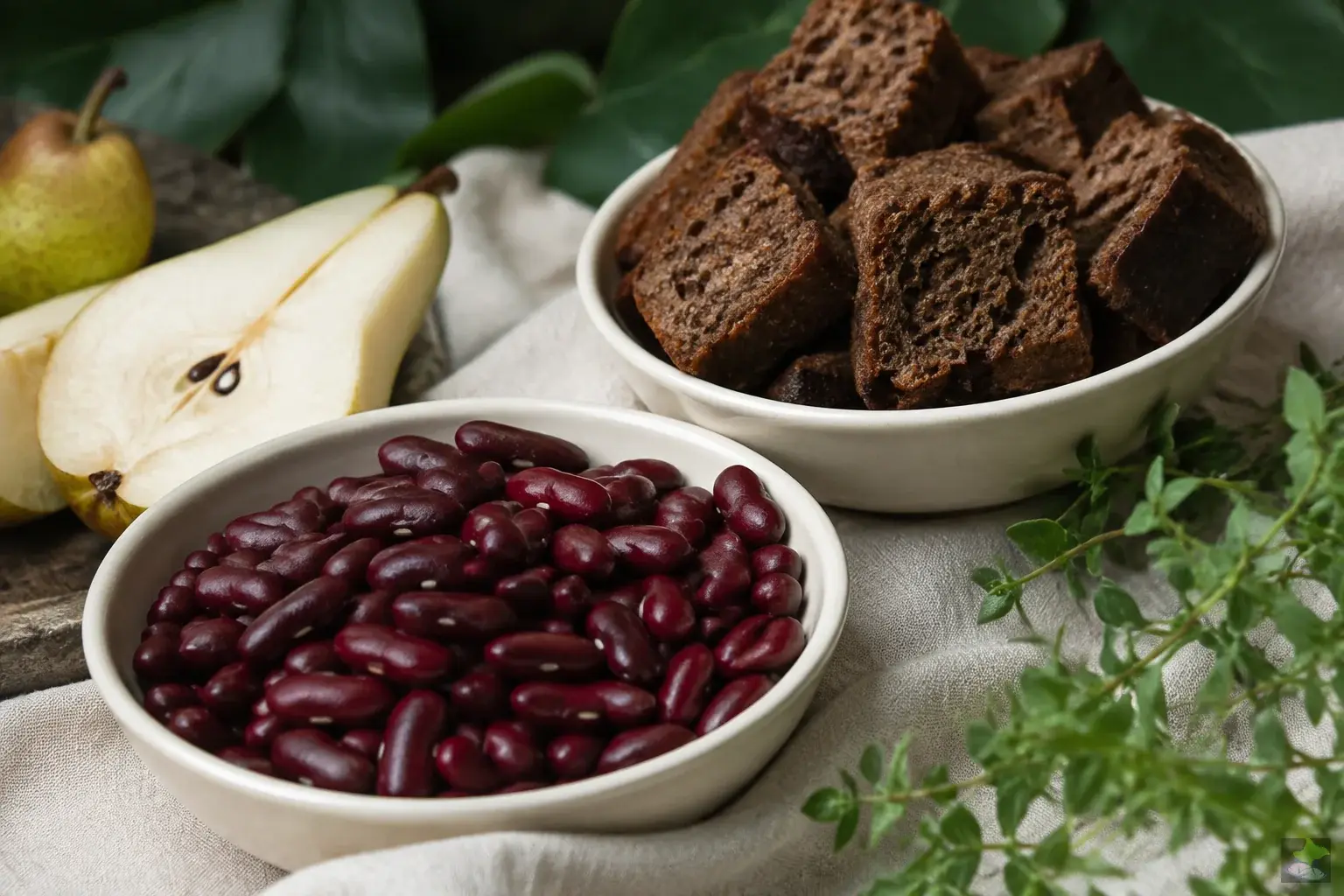
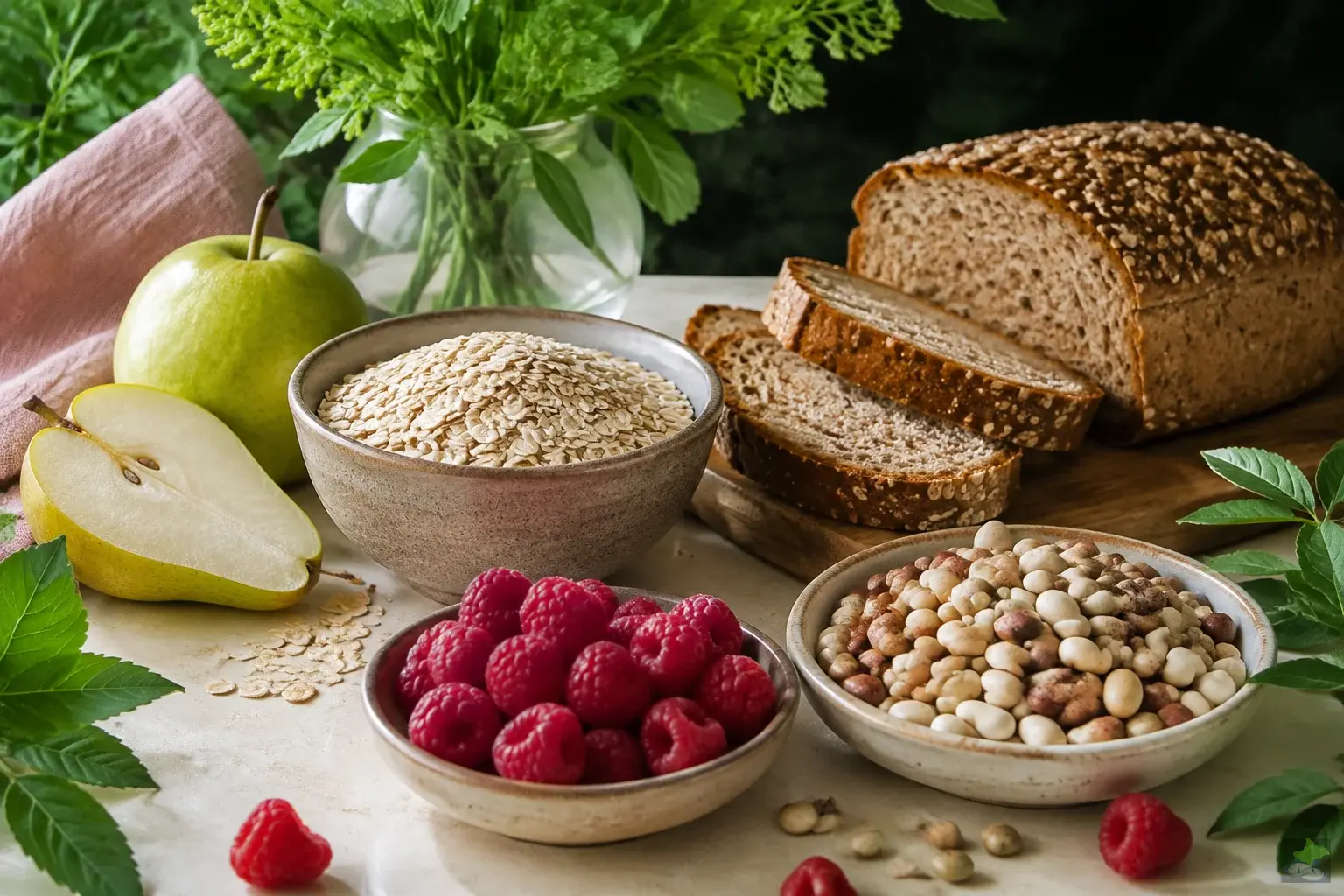
Principal sources: Wholegrain cereals, legumes, nuts, seeds and fibre-rich vegetables such as cabbage and carrots.
2.2 Soluble Fibre
Soluble fractions include compounds such as pectins (especially in fruit), inulin, beta-glucans and plant gums.
Physiological properties:Some soluble fibres form viscous gels that can slow gastric emptying and carbohydrate absorption. Fermentable fibres are metabolised by colonic microorganisms. Specific viscous fibres can lower LDL cholesterol by affecting bile-acid metabolism. Claims that fibre broadly binds heavy metals or “toxins” should not be generalised without evidence for the particular substance.
Principal sources: Fruit, vegetables, oats, barley, legumes and psyllium husk.
3. Physiological Mechanisms and Health Evidence
3.1 Satiety and Weight Management
High-fibre foods can support satiety and weight management as part of an appropriate overall diet through several mechanisms:
- Volume: Water-rich, fibre-rich foods increase meal volume and promote gastric distension.
- Energy density: Fruit, vegetables and legumes often provide relatively low energy density.
- Gastric emptying: Viscous fibres may slow gastric emptying and carbohydrate absorption, although effects on appetite vary by fibre, dose and individual.
3.2 The Colonic Microbiome and Immune System
The colon contains a complex microbial ecosystem. Fermentable fibres and resistant carbohydrates provide substrates for particular microorganisms, and dietary variety helps support microbial diversity.
Microbial fermentation produces short-chain fatty acids (SCFAs), including acetate, propionate and butyrate. Butyrate is an important energy source for colonocytes and participates in epithelial-barrier and immune signalling. These mechanisms are active areas of research; microbiome responses vary substantially between individuals and diets.
3.3 Long-Term Metabolic and Cardiovascular Health
Prospective studies and clinical evidence associate higher fibre intake, especially from whole foods, with lower risks of cardiovascular disease, type 2 diabetes and colorectal cancer. Some viscous soluble fibres lower LDL cholesterol, while wholegrain and plant-rich dietary patterns contribute through multiple pathways. These associations do not make fibre a stand-alone treatment.
4. Intake Recommendations and Practical Application
The German Nutrition Society (DGE) recommends that healthy adults consume at least 30 grams of fibre per day.
Energy-adjusted guidance is sometimes expressed as about 14 grams of fibre per 1,000 kcal . Individual requirements and tolerance vary; a food-based target is generally more useful than forcing a high intake solely because energy expenditure is high.
Practical integration:
- Replace refined grains with wholegrain varieties where suitable.
- Eat a varied selection of vegetables and fruit each day.
- Include legumes regularly as sources of protein and fibre.
- Use flaxseed or psyllium when appropriate, following product instructions and taking enough fluid.
- Include fermented foods if desired, while recognising that fibre variety—not fermentation alone—supports the microbiota.
Note: Increase fibre gradually and drink adequately. A sudden increase may cause bloating, pain or altered bowel habits. People with swallowing difficulties, bowel narrowing or gastrointestinal disease need individual advice before using concentrated fibre products.
5. Relevance to Controlled Plant Production: Vida Vertical
From a cultivation perspective, fibre composition varies with species, cultivar, maturity and growing conditions. Hydroponic production changes water and nutrient supply but does not automatically make a crop higher in fibre than soil-grown produce.
Controlled systems can influence plant structure and quality through several interacting factors:
- Light and intensity: Light affects growth, morphology and secondary metabolism. Claims that blue or UV light reliably increases dietary-fibre content require crop-specific evidence and must be balanced against yield, quality and worker safety.
- Nutrient management: Balanced nutrition supports cell-wall formation and crop quality. Deliberate nutrient stress may alter composition but can also reduce yield or create quality problems; it is not a universal optimisation strategy.
- Microgreens and sprouts: They can provide fibre and micronutrients, but serving sizes are small and their composition varies widely by species and stage. Mature vegetables, legumes, wholegrains, nuts and seeds remain important fibre sources.
- Freshness and the food matrix: Short supply chains can preserve freshness and reduce storage losses. The structural fibre matrix itself is generally stable; storage effects are more relevant to water, texture and sensitive vitamins.
Growing vegetables, herbs or microgreens locally can expand dietary variety and freshness. Fibre intake is best improved through the quantity and diversity of whole plant foods, not by trying to manipulate one cultivation variable.
6. Conclusion
Dietary fibres are diverse substances with important effects on stool bulk, intestinal transit, fermentation, blood glucose and cholesterol, depending on their properties. Soluble versus insoluble is useful shorthand, but viscosity and fermentability also determine function.
A plant-rich diet containing vegetables, fruit, legumes, wholegrains, nuts and seeds provides a reliable route towards recommended intake. Fresh produce from controlled cultivation can contribute, but no production method replaces dietary variety.
Note: This article provides general information and does not replace individual medical or dietetic advice. People with gastrointestinal disease, swallowing problems or bowel obstruction risk should adjust fibre intake with qualified professional guidance.
References:
- German Nutrition Society (DGE): D-A-CH reference values for nutrient intake. www.dge.de
- Barber, T. M., et al. (2020). The Health Benefits of Dietary Fibre: Beyond the Usual Suspects of Type 2 Diabetes Mellitus, Cardiovascular Disease and Colon Cancer. Metabolism, 107, 154175.
- Makki, K., et al. (2018). The Impact of Dietary Fiber on Gut Microbiota in Host Health and Disease. Cell Host & Microbe, 23(6), 705–715.
- Slavin, J. L. (2013). Fiber and Prebiotics: Mechanisms and Health Benefits. Nutrients, 5(4), 1417–1435.
- Rebello, C. J., et al. (2014). Dietary fiber and satiety: the effects of oats on satiety. Nutrition Reviews, 74(2), 131–147.
Author: Uwe | Vida Vertical – Health
EXPLORE RELATED TOPICS