CHAPTER 01 · 6MIN READ
Antioxidants
Biochemical mechanisms, cellular protection and the role of plant-derived radical scavengers
Category: Health | Vida Vertical
Summary
The human body is continually exposed to reactive oxygen species (ROS), which can damage cellular structures, proteins and DNA when antioxidant defences are overwhelmed. Antioxidants participate in redox regulation and can neutralise reactive molecules by donating electrons. This article explains the biochemical basis of redox systems, considers protective functions in different organs and discusses the risks of isolated supplements compared with antioxidants consumed in foods. It concludes by examining how controlled growing conditions in hydroponic and aquaponic systems can influence the phytochemical profile of crops.
1. Introduction: the physiology of oxidative stress
Free radicals and other reactive species arise as unavoidable by-products of metabolism. A free radical contains an unpaired electron and can react with nearby lipids, proteins or DNA. When reactive-species production exceeds regulatory capacity, oxidative stress can promote lipid peroxidation, alter enzyme function and damage DNA.
Environmental pollutants, ultraviolet radiation, tobacco smoke, alcohol and some forms of psychological or physical stress can increase reactive-species formation. The body counters this through interconnected enzymatic and non-enzymatic defences, to which nutrients and phytochemicals from food contribute.
2. Biochemical mechanisms: the redox network
Many antioxidants protect cells by donating an electron or hydrogen atom and stabilising reactive species without initiating equally damaging chain reactions.
Vitamin E and vitamin C illustrate cooperation between lipid- and water-soluble antioxidants. Vitamin E in lipid-rich membranes can interrupt lipid-peroxidation chains and becomes oxidised in the process. Vitamin C and other reducing systems can help regenerate vitamin E. This is one part of a wider redox network; antioxidant function depends on location, concentration and the surrounding biochemical system.
3. Systemic protective functions of antioxidants
Redox regulation occurs throughout the body. Different tissues face distinct oxidative challenges:
- Dermatology (skin):As a barrier organ, skin is exposed to UV radiation and pollution. Endogenous antioxidant systems and dietary nutrients help protect cellular components and support collagen-related processes, but no single antioxidant prevents ageing, wrinkles or pigmentation.
- Cardiovascular system:Oxidative modification of LDL and endothelial dysfunction participate in atherosclerosis. Diets rich in vegetables and fruit are associated with cardiovascular benefit, although isolated antioxidant action is only one part of a multifactorial process.
- Ophthalmology (eyes):The retina and lens have high oxygen exposure and receive light. Lutein, zeaxanthin, vitamin C and other nutrients support normal eye tissue; evidence for disease prevention depends on the nutrient, baseline status and population.
- Neurology (brain):The brain consumes substantial oxygen and contains readily oxidised polyunsaturated fatty acids. Oxidative stress is associated with neurodegenerative processes, but antioxidant foods or supplements should not be presented as a proven standalone prevention or treatment for dementia.
- Orthopaedics (cartilage):Oxidative and inflammatory pathways can contribute to cartilage degradation and joint disease. Their clinical course is multifactorial and cannot be controlled by antioxidants alone.
4. Toxicology: food matrix versus high-dose supplements
Antioxidants are studied extensively in oncology and preventive medicine. Diets rich in plant foods are associated with lower risks of several cancers, but this does not prove that antioxidant compounds alone cause the benefit. High-dose isolated antioxidants, including some vitamin A or E supplements, require caution.
Excessive doses can disturb redox signalling and in some contexts produce harmful or pro-oxidant effects. During chemotherapy or radiotherapy, supplements may interact with treatment, but recommendations depend on the specific therapy and patient. Patients should discuss every supplement with their oncology team rather than stopping or starting one on general advice. For most people, varied foods are the preferred source of vitamins, minerals and phytochemicals.
5. Foods rich in antioxidants
A plant-rich diet supplies a broad variety of antioxidant and redox-active compounds. Useful sources include:
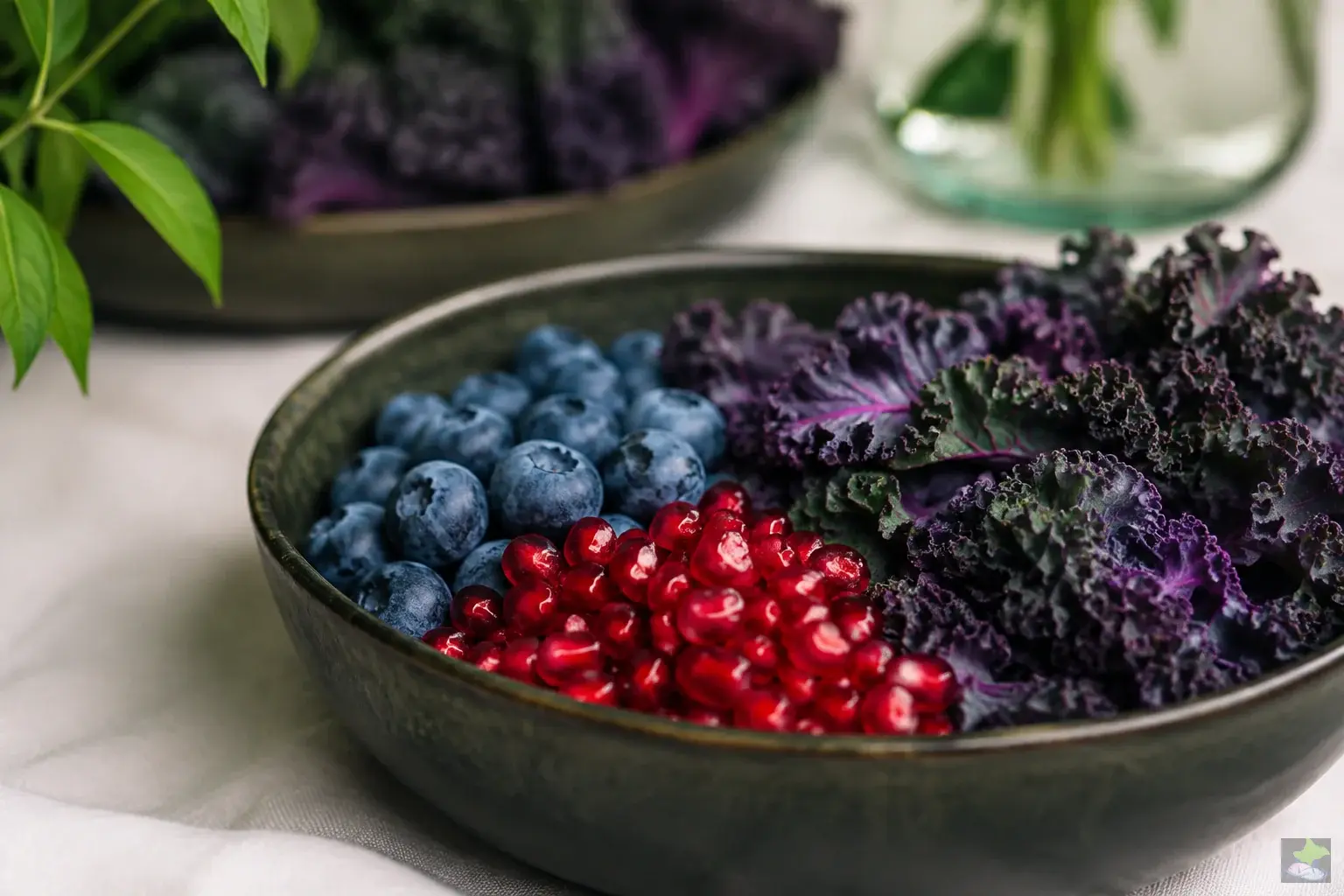
Vegetables and wild plants:Brassicas such as broccoli and kale, spinach, colourful vegetables such as carrots, red peppers, tomatoes and sweet potatoes, edible wild plants and sprouts.
Fruit:Berries such as blueberries, raspberries and aronia, citrus fruit, kiwi and apples.
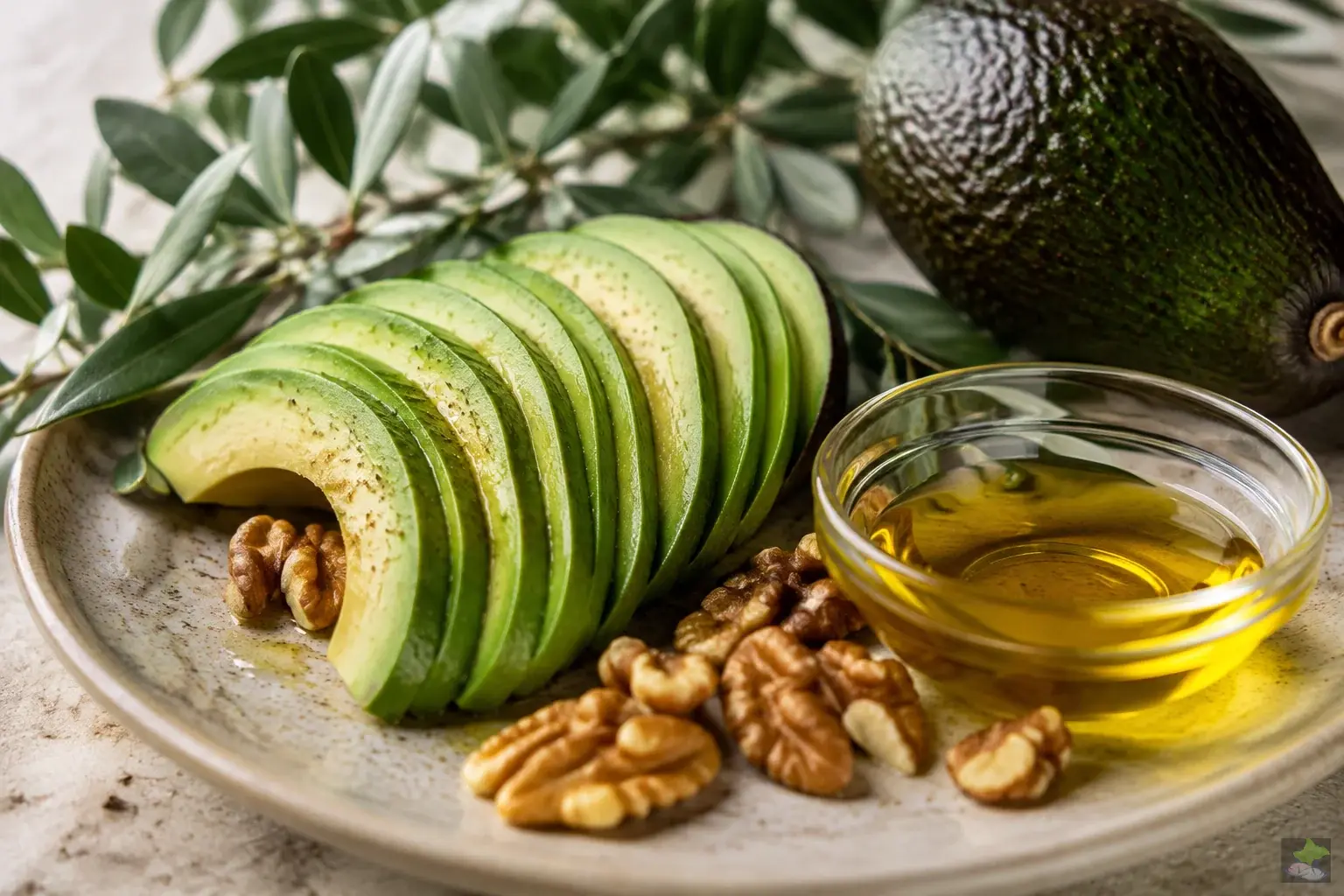
Lipids and specialist sources:Minimally refined oils such as olive, hemp and rapeseed oil, together with nuts and seeds such as flaxseed and pumpkin seeds. One notable compound isastaxanthin, a carotenoid produced by certain microalgae. It has strong antioxidant activity in laboratory systems, but claims about relative potency do not directly establish clinical benefit.
6. Relevance to Vida Vertical: managing antioxidant profiles
As a specialist in aquaponics and hydroponics, I view antioxidants as dynamic plant metabolites rather than passive ingredients. Plants form many phytochemicals in response to environmental conditions. Controlled vertical cultivation can make use of this principle:
1. Light-induced responses:Adjusting light spectra in indoor farms—for example, blue light or carefully controlled UV-A exposure—can stimulate synthesis of compounds such as anthocyanins and flavonoids in some crops. The outcome depends strongly on species, dose and other conditions; indoor produce is not automatically superior to field-grown produce.
2. Sprouts and microgreens:During early growth, seedlings mobilise stored reserves and can contain high concentrations of certain vitamins and phytochemicals. Their nutritional value and bioavailability differ by species, development stage and serving size, so blanket claims of maximum concentration are not justified.
3. Integrated pest management:Closed hydroponic and aquaponic systems can reduce some pest pressures, but chemical or biological crop-protection measures are not automatically unnecessary. Hygiene, monitoring and integrated pest management remain essential, and any authorised treatment must be used correctly.
4. Cultivating microalgae:Selected microalgae can be grown in separate photobioreactors to produce astaxanthin or omega-3 fatty acids, depending on species. Astaxanthin production and omega-3 production are distinct traits and require controlled processing, quality assurance and food-safety assessment.
7. Conclusion
Antioxidant systems help the body manage reactive species and preserve cellular function. They are part of complex networks that protect DNA, vessels and other tissues, rather than a simple biochemical shield that prevents disease by itself.
The safest practical approach is a varied diet rich in minimally processed plant foods. Controlled vertical cultivation can influence crop composition through light, nutrients and harvest timing, but results must be measured and balanced against plant health and food safety. Health benefits arise from the overall dietary pattern, not from maximising a single laboratory antioxidant value.
Note: This article provides general scientific information and does not replace medical advice. People with existing health conditions, particularly cancer, should discuss supplements with their treating clinician or oncology team.
References:
- Halliwell, B. & Gutteridge, J. M. C. (2015). Free Radicals in Biology and Medicine. Oxford University Press.
- Sies, H. (2015). Oxidative stress: a concept in redox biology and medicine. Redox Biology, 4, 180–183.
- Finkel, T. & Holbrook, N. J. (2000). Oxidants, oxidative stress and the biology of ageing. Nature, 408(6809), 239–247.
- Schiborr, C., et al. (2014). Dietary polyphenols and neurodegenerative diseases. Molecular Nutrition & Food Research, 58(1), 127–143.
- Ambati, R. R., et al. (2014). Astaxanthin: sources, extraction, stability, biological activity and its commercial applications – a review. Marine Drugs, 12(1), 128–152.
Author: Uwe | Vida Vertical – Health
EXPLORE RELATED TOPICS
You may also be interested in
Macronutrients and Calorie Requirements
Physiological foundations, calculation methods and practical application
Dietary Fibre
Biochemical classification, physiological mechanisms and preventive relevance
Dietary Fats
Biochemical classification, physiological functions and evidence-based intake recommendations